


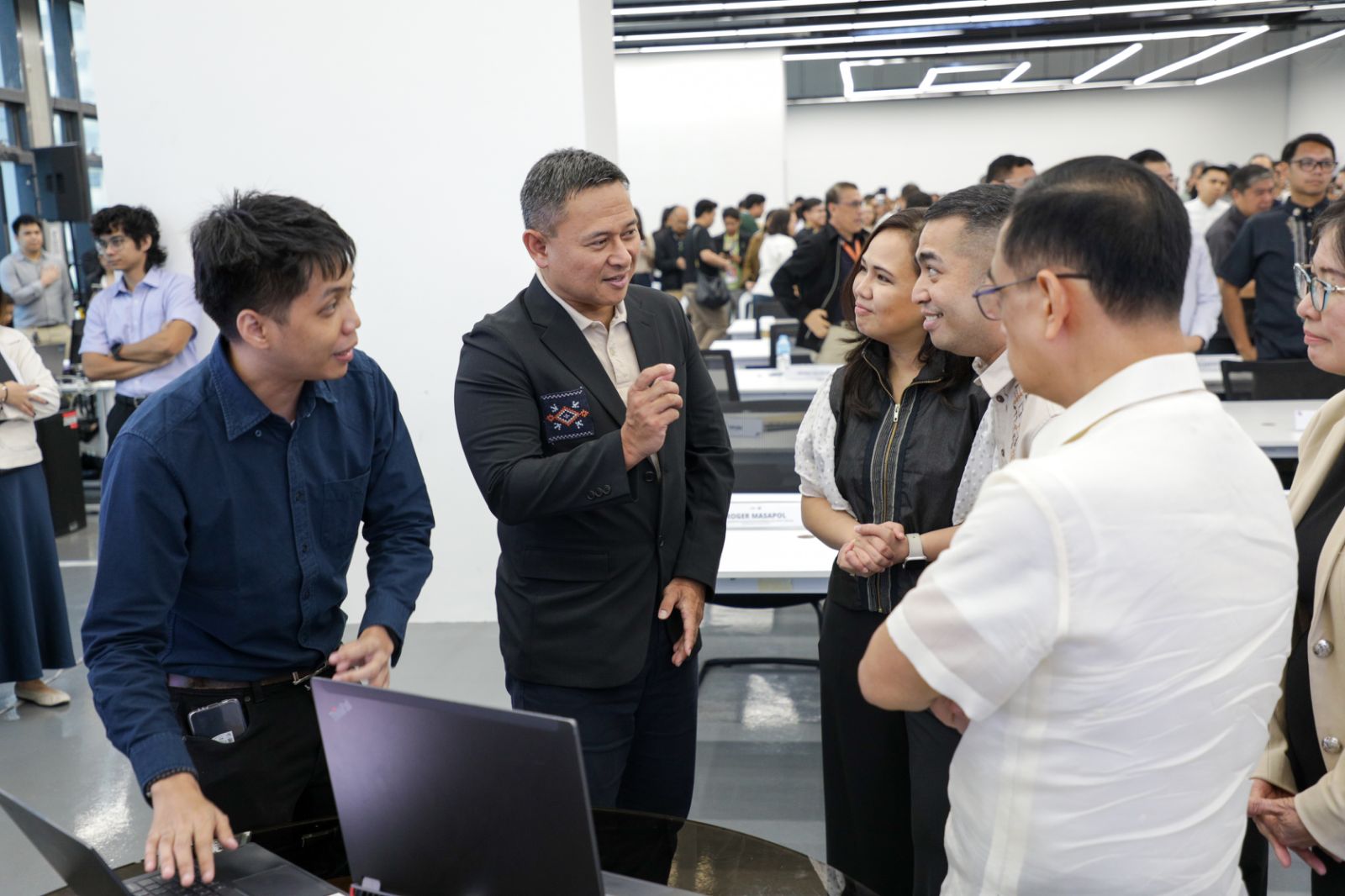
Education Secretary Sonny Angara has urged public school heads, teachers, and disaster risk reduction and management (DRRM) coordinators nationwide to integrate Project LIGTAS+ into their disaster preparedness routines to help protect learners and minimize disruptions to education.
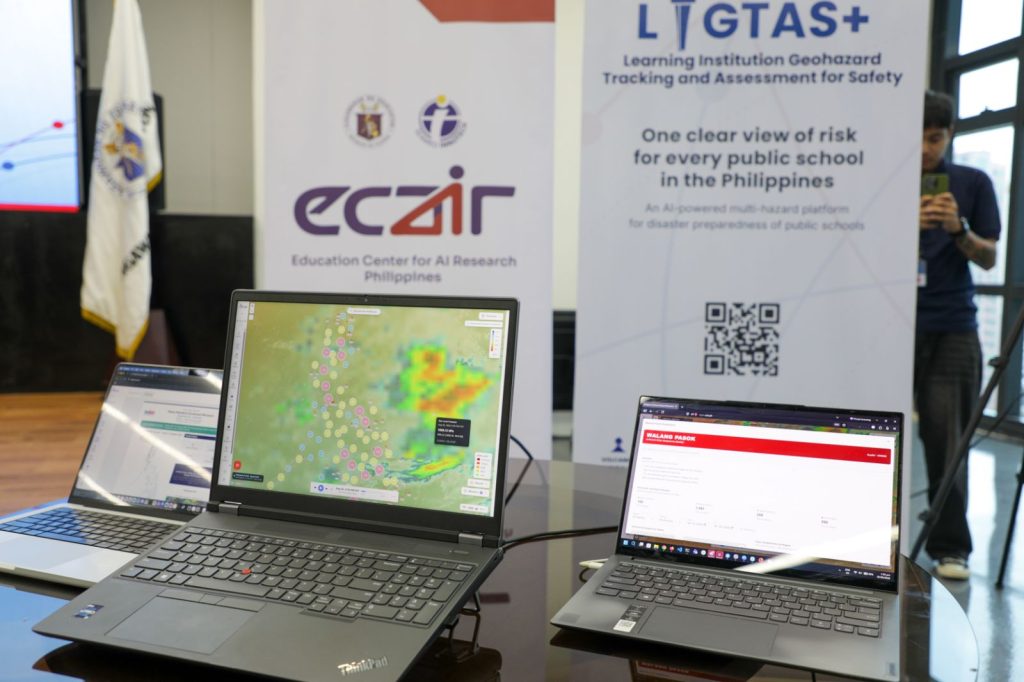
Project LIGTAS+, or Learning Institution Geohazard Tracking and Assessment for Safety, is a decision-support platform that transforms weather, geological, and climate data into school-level safety information to help education officials identify risks and take action before hazards escalate.
Angara emphasized the need for schools to move beyond reactive disaster response and use technology to anticipate risks and make timely, informed decisions.
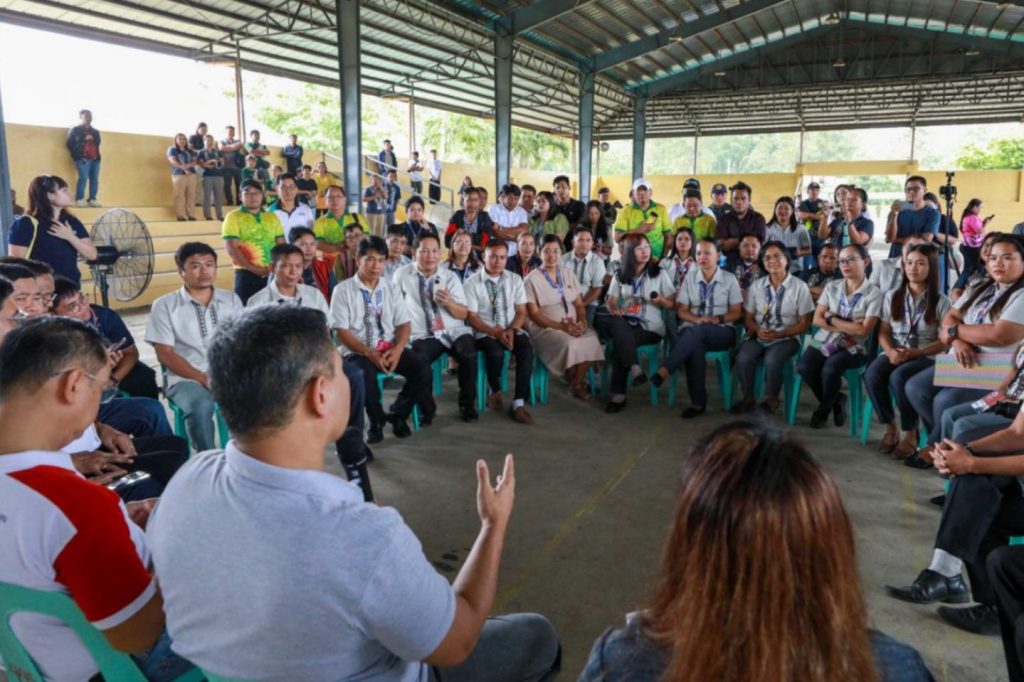
“Alinsunod sa direktiba ni Pangulong Bongbong Marcos na gamitin ang makabagong teknolohiya para sa climate resilience, pinapanawagan natin sa ating mga school leaders, guro at DRRM coordinators na gamitin ang LIGTAS+ bilang bahagi ng ating regular na disaster preparedness,” Angara said.
“Hindi pwedeng lagi na lang tayong nag-aabang kung kailan babagyo o lilindol bago tayo kumilos. With LIGTAS+, we can anticipate risks early so our school leaders can make timely, informed decisions before hazards turn into emergencies. Ang kailangan natin ay malinaw at reliable information para sa mas maagang paghahanda,” he added.
Developed by the Department of Education’s (DepEd) Disaster Risk Reduction and Management Service (DRRMS) and the Education Center for AI Research (ECAIR), LIGTAS+ streamlines disaster preparedness and response workflows across DepEd’s administrative levels.
School heads, teachers, and disaster response coordinators can access the platform using their official credentials and begin by checking an interactive nationwide map available on mobile and desktop devices. The map allows users to identify potential hazard risks affecting the country’s more than 47,000 public schools.
LIGTAS+ combines artificial intelligence and conventional weather forecasting models with satellite and radar imagery and data from government and international scientific agencies.
These include rainfall, wind speed, and extreme heat data from the Department of Science and Technology–Philippine Atmospheric, Geophysical and Astronomical Services Administration (DOST-PAGASA); earthquake shaking intensity and volcanic ashfall information from the DOST–Philippine Institute of Volcanology and Seismology (PHIVOLCS); and landslide and flood susceptibility data from the Department of Environment and Natural Resources–Mines and Geosciences Bureau (DENR-MGB).
The platform also incorporates international climate data from the U.S. National Oceanic and Atmospheric Administration (NOAA) and the European Union’s Copernicus satellite data collection.
During emergencies, school safety teams can use LIGTAS+ to report conditions in real time. The platform allows administrators to generate standardized emergency situation reports in as little as five minutes, reducing the time spent manually compiling information during typhoons and other disasters.
LIGTAS+ is also linked to DepEd’s Incident Management and Reporting System (IMRS), allowing field conditions to be mapped immediately and providing decision-makers with a near real-time overview of affected areas. This is intended to support the faster deployment of assistance before, during, and after emergencies.
The platform also integrates DepEd’s 4H Education in Emergencies Framework—Hayo (Continue), Hinay (Ease-in), Hinga (Check-in), and Hinto (Stop)—to help school administrators determine appropriate adjustments to class schedules, alternative learning arrangements, or class suspensions based on the severity of hazards.
DepEd clarified that LIGTAS+ is a decision-support tool and does not replace official government advisories, established disaster protocols, or on-the-ground assessments.
“Sa tulong ng teknolohiya at ng ating mga partner agencies, mas mabilis at mas tumpak na ang ating paghahanda,” Angara said. “Through LIGTAS+, we are giving our school leaders the right tools and information to act early, keep our learners safe, and ensure that learning continues even during disasters.”
