


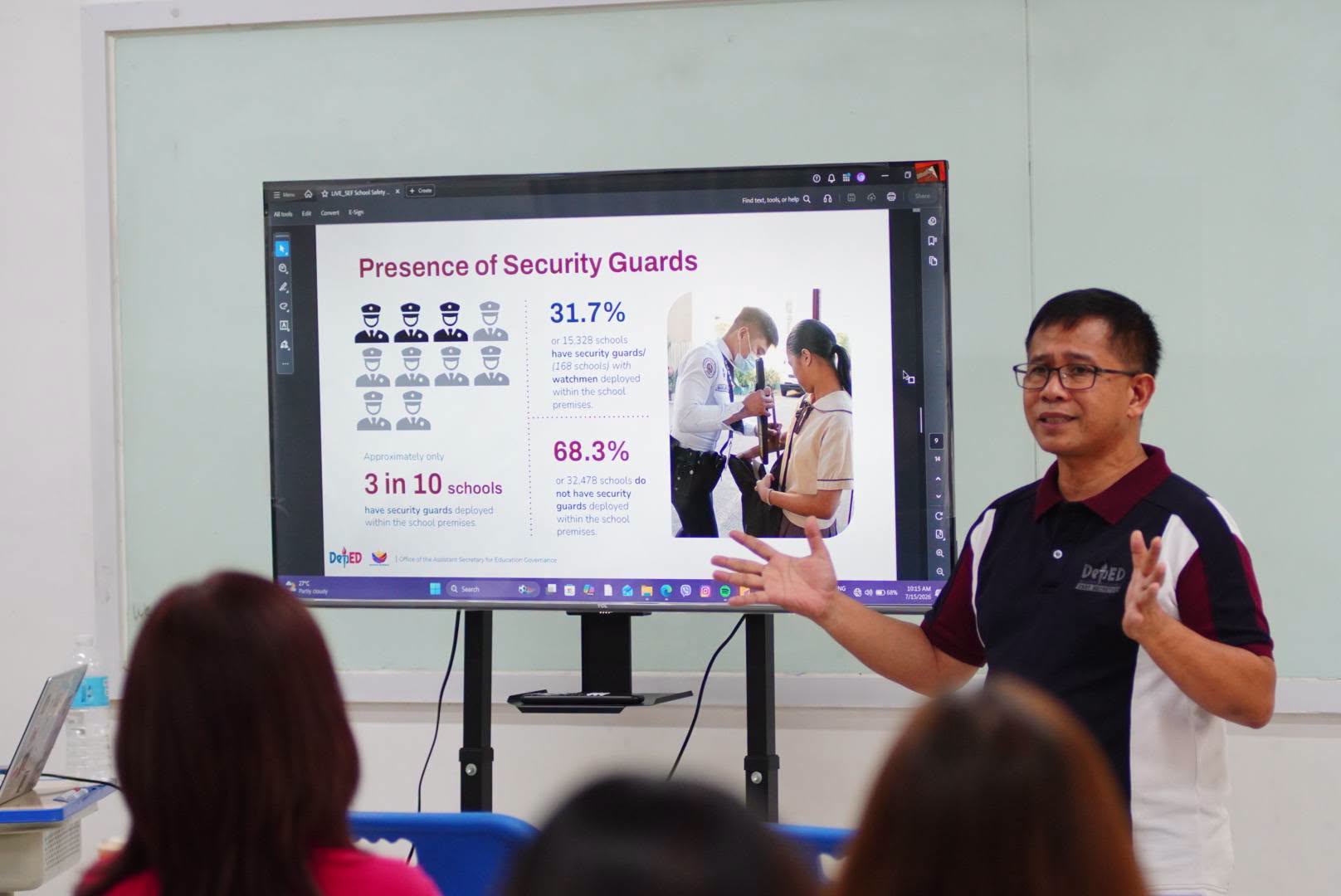
The Department of Education (DepEd) will hold the National Simultaneous School Safety Drill on September 3, with strengthened safeguards to ensure that preparedness activities build confidence without compromising learners’ physical and psychological well-being.
The rescheduled exercise follows consultations with medical and mental health partners, including the Philippine Psychiatric Association, the Philippine Society for Child and Adolescent Psychiatry, and the Philippine Pediatric Society, to ensure that safety measures follow child-centered and trauma-informed standards under the “Do No Harm” principle.
Education Secretary Sonny Angara said school safety must address both physical security and mental health.
“Safety is not just about physical security; it is equally about protecting our children’s peace of mind. We are working closely with our medical experts and psychiatric societies to ensure our shared priority for the total well-being of our children remains at the center of our implementation,” Angara said.
“Our goal for September 3 is to build calm operational confidence and muscle memory through proper orientation, not fear. Preparedness saves lives, and trauma-informed execution protects our learners,” he added.
Before the drill, participating schools will conduct capacity-building activities for teachers, assess school readiness, and provide learners with age-appropriate orientations.
School heads and teachers must notify learners, parents, and personnel in advance to prevent surprise and anxiety. Schools are also required to secure written parental consent and learner assent before participation. Learners who need additional safeguards, as well as those whose parents request accommodations, will be allowed to participate in safe alternative activities without penalty or stigma.
During the exercise, schools will conduct step-by-step walkthroughs of basic protective actions, including securing entry points, practicing silent concealment away from windows, and reviewing evacuation routes. Activities must also accommodate learners with disabilities, special needs, and sensory sensitivities.
DepEd emphasized that the drill will not use hyper-realistic or fear-inducing elements. Threat simulations, active aggressor role-players, weapons, graphic imagery, firearms, pyrotechnics, simulated gunfire, and artificial casualties are strictly prohibited.
A distinct signal separate from earthquake and fire alarms will be used to begin the activity. The exercise will instead focus on reinforcing procedures and building preparedness without causing unnecessary distress.
“Bawat bata ay may kanya-kanyang antas ng katatagan at pang-unawa, kaya hindi pwedeng one-size-fits-all ang ating approach sa kaligtasan,” Angara said.
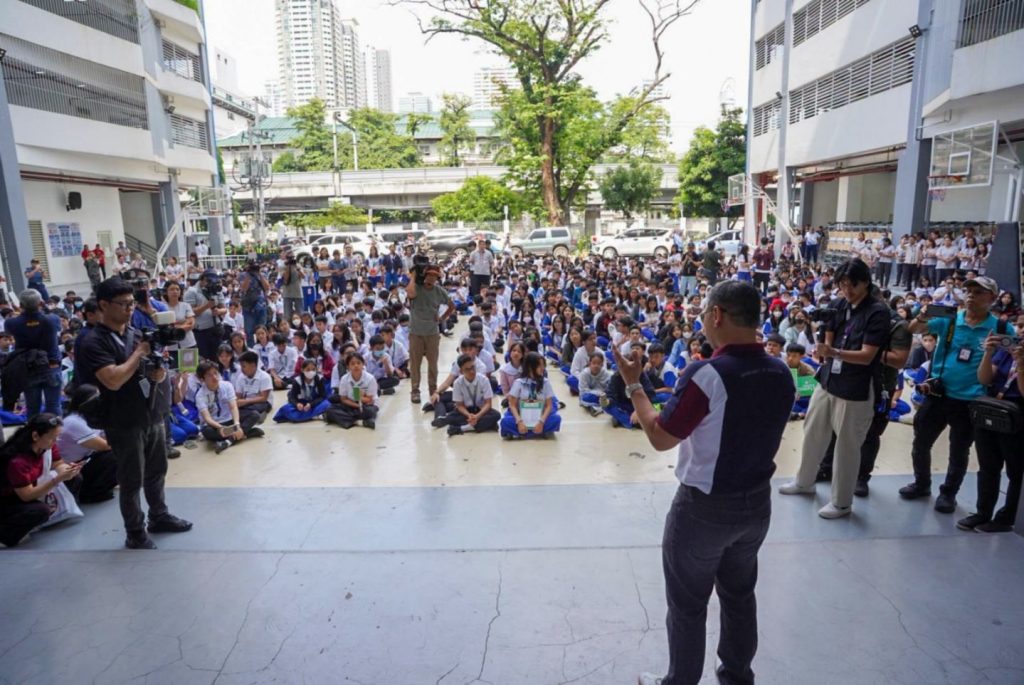
“When we prepare our learners and train our teachers with empathy, age-appropriate guidance, and proper care, we give our school communities confidence and reassurance instead of anxiety. At the end of the day, our schools must remain sanctuaries where learners feel safe, supported, and protected at all times,” he added.
To support learners throughout the exercise, designated guidance personnel and school health officers will provide Psychological First Aid (PFA) and post-drill debriefing sessions. Schools will also establish referral mechanisms with DepEd Schools Division Offices (SDOs), local government units (LGUs), and health facilities for learners who may require specialized mental health support.
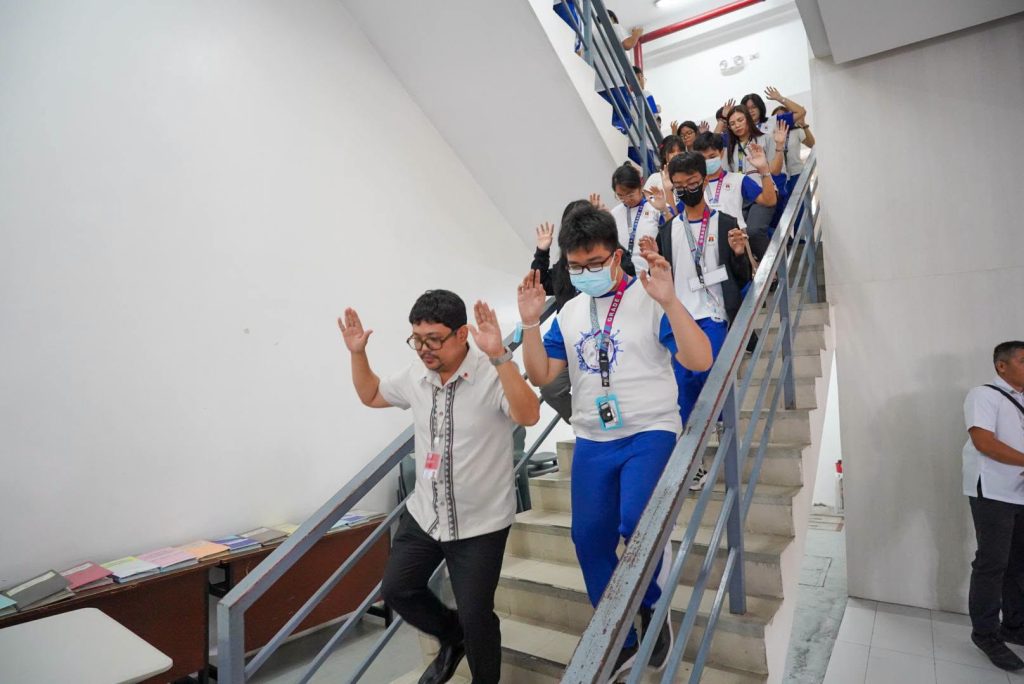
Coordination with the Philippine National Police (PNP) will be limited to external perimeter security, emergency notification systems, dispatch response testing, and post-incident learner tracking. Learners will practice keeping their hands raised, empty, and visible when encountering first responders during evacuation. Police personnel are prohibited from conducting tactical disarming activities or using aggressive displays that could distress learners.
DepEd said these measures are intended to make the September 3 exercise a practical and inclusive baseline for schools to evaluate and improve their contingency plans while ensuring that preparedness does not come at the expense of learner well-being.
