


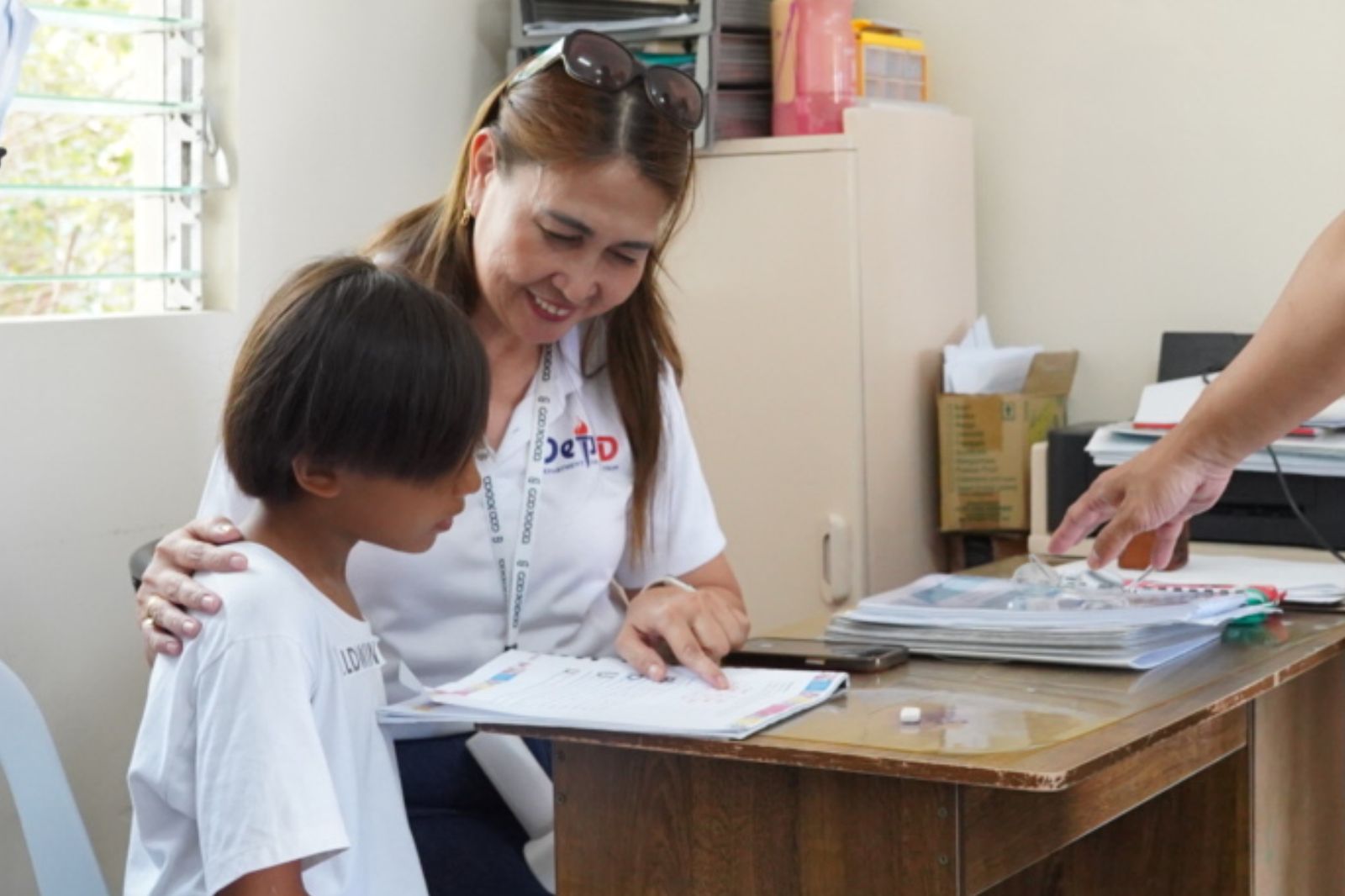
The Department of Education (DepEd) is moving to strengthen the implementation of the Academic Recovery and Accessible Learning (ARAL) Program after an independent evaluation found significant gains in learners’ reading performance during School Year (SY) 2025–2026.
The evaluation, conducted by global education nonprofit Youth Impact in partnership with the World Bank, found that ARAL contributed to a 9-percentage-point reduction in the number of struggling readers after accounting for expected learning progress during the school year. This translates to an estimated 1.37 million additional children moving out of the lowest reading bracket.
The study also recorded a 4.8-percentage-point increase in grade-level reading proficiency, equivalent to approximately 730,000 more learners reaching the standard. The positive results were observed across all regions.
These findings reinforce the early gains recorded during ARAL’s first year of nationwide implementation, with 4.5 million fewer struggling readers and 2.5 million more learners reaching grade-level readiness by the end of SY 2025–2026.
To sustain and build on these gains, Youth Impact recommended that DepEd protect dedicated classroom time for foundational literacy, improve learner grouping based on actual skill levels, and shift field monitoring toward active teacher coaching instead of administrative compliance.
The evaluation also highlighted DepEd’s data systems as an important tool in identifying schools and learners needing additional support and directing interventions where they are most needed.
“Learning recovery is not a one-off campaign—it is a commitment to building a resilient educational core,” Education Secretary Sonny Angara said.
“Through the continued partnership of our teachers, tutors, and local communities, we are turning policy into real, measurable opportunities for every Filipino child. We will continue to refine these interventions to ensure early gains carry through to higher grade levels,” Angara added.
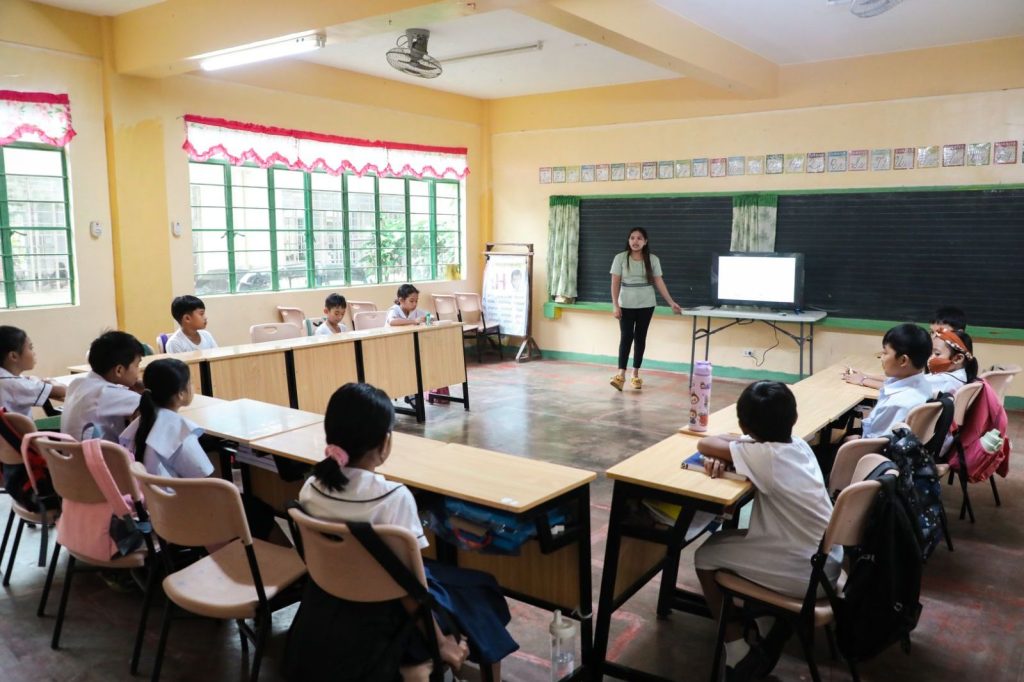
According to the report, ARAL’s early success is linked to its approach of grouping learners according to their actual skill levels rather than age, monitoring learning progress, providing direct coaching to teachers, and directing support to schools with the greatest need.
Angara said the findings demonstrate the value of targeted and evidence-based interventions in addressing learning gaps.
“When we passed the ARAL law, our goal was simple yet urgent: to ensure no learner is left behind simply because they needed more time or a different approach to master reading,” Angara said.
“With President Bongbong Marcos’ strong commitment to education reform, we are building a system where foundational reading support leads to lasting success,” he added.
Created under Republic Act No. 12028, or the ARAL Program Act, the program provides structured learning recovery in reading, mathematics, and science. It pairs learners with public school teachers, licensed para-teachers, pre-service educators, and trained community tutors nationwide.
About Youth Impact
Youth Impact is a global nonprofit organization based in Gaborone, Botswana, that develops and scales evidence-based and cost-effective education programs to improve children’s learning outcomes. It works with governments and institutions such as the World Bank to conduct rigorous evaluations and use data to inform education policy.
In partnership with the World Bank, Youth Impact provided technical assistance to DepEd through a third-party evaluation of the ARAL Program, which was launched nationwide in SY 2025–2026.
The evaluation team included Youth Impact Co-Founder Noam Angrist, Education and Partnerships Specialist Mariel Bayangos, Research Specialist Konstantin Buchel, Senior Lead for Innovation & Growth Jenny Perlman, and Policy Specialist Elaine Umali-Trinos.
Angrist is an academic researcher whose work has been published in journals including Nature, Nature Human Behaviour, and the Journal of Economic Perspectives. He has advised the World Bank Chief Economist, co-developed the education pillar of the World Bank Human Capital Index, and led research for major reports of the Global Education Evidence Advisory Panel. He currently serves as Academic Director of the What Works Hub for Global Education and holds a B.S. in Mathematics and Economics from the Massachusetts Institute of Technology and a PhD from the University of Oxford.
