


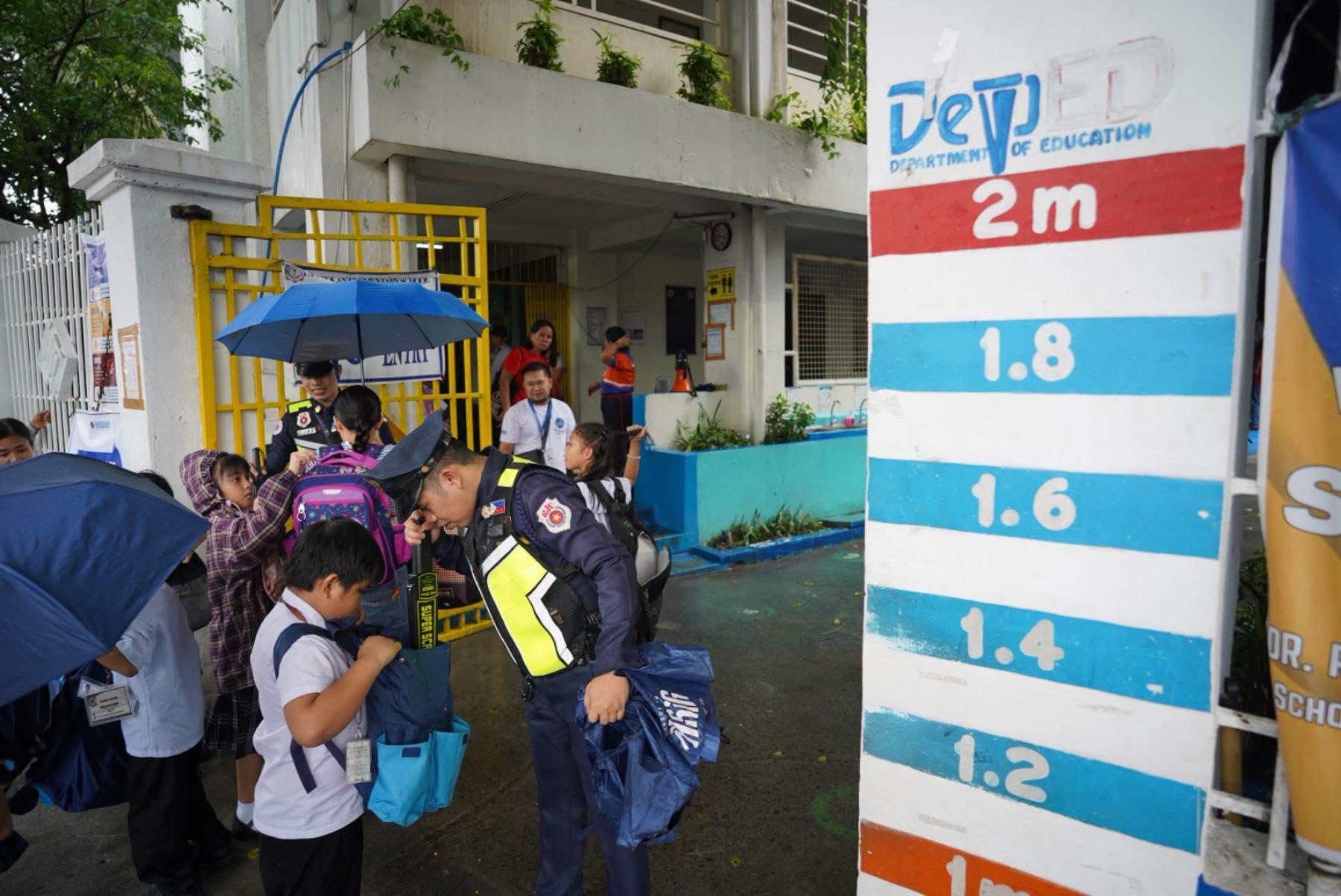
The Department of Education (DepEd) has directed all public schools nationwide to intensify dengue and leptospirosis prevention, monitoring, and reporting measures amid increased risks of seasonal vector- and water-borne diseases following heavy habagat rains and tropical cyclones.
Through dual advisories, DepEd instructed school heads, health personnel, and staff to strengthen sanitation, health monitoring, early detection, and reporting of dengue and leptospirosis cases across public basic education institutions.
Education Secretary Sonny Angara underscored President Ferdinand R. Marcos Jr.’s directive to prioritize the safety and well-being of learners and personnel during health and environmental emergencies.
“Katulad ng palaging paalala ng ating Pangulong Bongbong Marcos, hindi dapat nahihinto o naaalanganin ang edukasyon dahil sa mga banta sa kalusugan at kalamidad,” Angara said.
“Ating ipinapanawagan sa ating mga school heads, guro, at magulang na magtulungan. Ang simpleng pagpapanatili ng kalinisan sa ating paligid, ang pagpuksa sa mga pinagmumulan ng lamok at pag-iwas sa pagbabad sa baha, ay malaking bagay upang mailayo ang ating mga kabataan sa sakit,” he added.
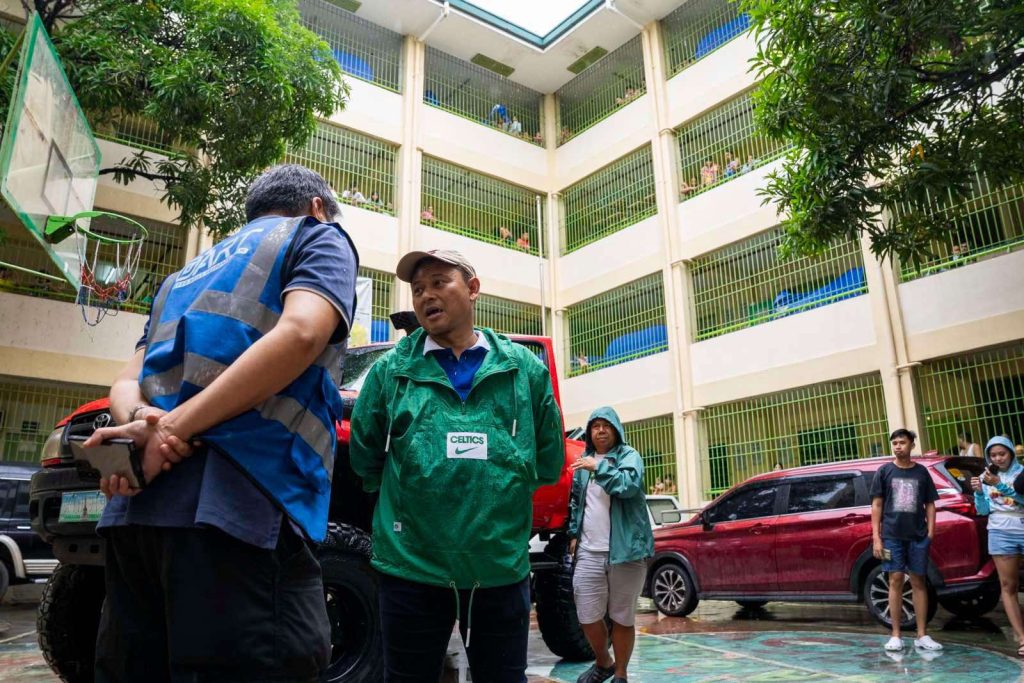
Under the directives, schools must strictly implement the Department of Health’s (DOH) Enhanced 4S Strategy: search and destroy mosquito-breeding sites, secure self-protection, seek early consultation, and support fogging or spraying only when indicated by appropriate local health authorities and in accordance with DOH guidelines.
School heads and personnel are likewise required to conduct regular inspections of classrooms, school grounds, gardens, comfort rooms, storage areas, gutters, and drainage systems to eliminate stagnant water that may serve as mosquito-breeding sites. The 4Ts under the 4 O’Clock Habit — Taob, Taktak, Tuyo, and Takip — will be incorporated into routine environmental sanitation and source-reduction activities.
For personal protection, learners and personnel are encouraged to wear long-sleeved clothing and long pants whenever practicable, use mosquito repellents properly and according to product instructions, and install or use physical barriers such as window screens and mosquito nets where applicable.
DepEd also directed schools to conduct age-appropriate and evidence-based health education activities on dengue prevention and control. School heads and health personnel must facilitate early consultation by promptly referring individuals with possible dengue symptoms, including sudden high fever lasting two to seven days, headache, pain behind the eyes, muscle and joint pain, abdominal pain, and signs of bleeding, to appropriate health facilities.
Meanwhile, DepEd warned school communities that contact with contaminated floodwater or soil can increase the risk of leptospirosis, even when there are no visible wounds. Schools must strictly discourage learners from swimming, wading, or unnecessarily walking through floodwaters and muddy areas.
When exposure to floodwater cannot be avoided, individuals are advised to wear protective gear such as boots and gloves, cover cuts or wounds with waterproof dressings, and immediately wash exposed skin with clean water and soap after contact.
Schools must also strengthen environmental sanitation and rodent-control measures by properly disposing of food waste, keeping classrooms, canteens, and storage areas clean, removing potential rodent nesting sites, and ensuring that flooded school grounds are thoroughly cleaned, disinfected, and assessed for safety before re-entry.
Individuals exposed to floodwater or potentially contaminated soil should promptly consult the nearest health facility or local health office for risk assessment and guidance on whether post-exposure prophylaxis is appropriate. Those who develop symptoms such as fever, muscle or calf pain, headache, or reddish eyes should seek immediate medical attention.
DepEd emphasized that antibiotics or post-exposure prophylaxis must not be self-administered and should only be taken upon the advice or prescription of a qualified health professional.
To strengthen disease surveillance and enable faster response, DepEd has also rolled out an automated Dengue and Leptospirosis Case Monitoring and Reporting Tool accessible to schools, Schools Division Offices (SDOs), Regional Offices (ROs), and the Central Office.
Schools are required to record reported dengue and leptospirosis cases through the monitoring tool within prescribed internal reporting timelines, including within 24 hours of receiving information. The DepEd system complements, but does not replace, existing disease-surveillance and notification mechanisms of the DOH and local health authorities.
DepEd called on parents, local government units (LGUs), and community partners to work closely with school authorities in maintaining clean, safe, and healthy learning environments for learners nationwide.
