


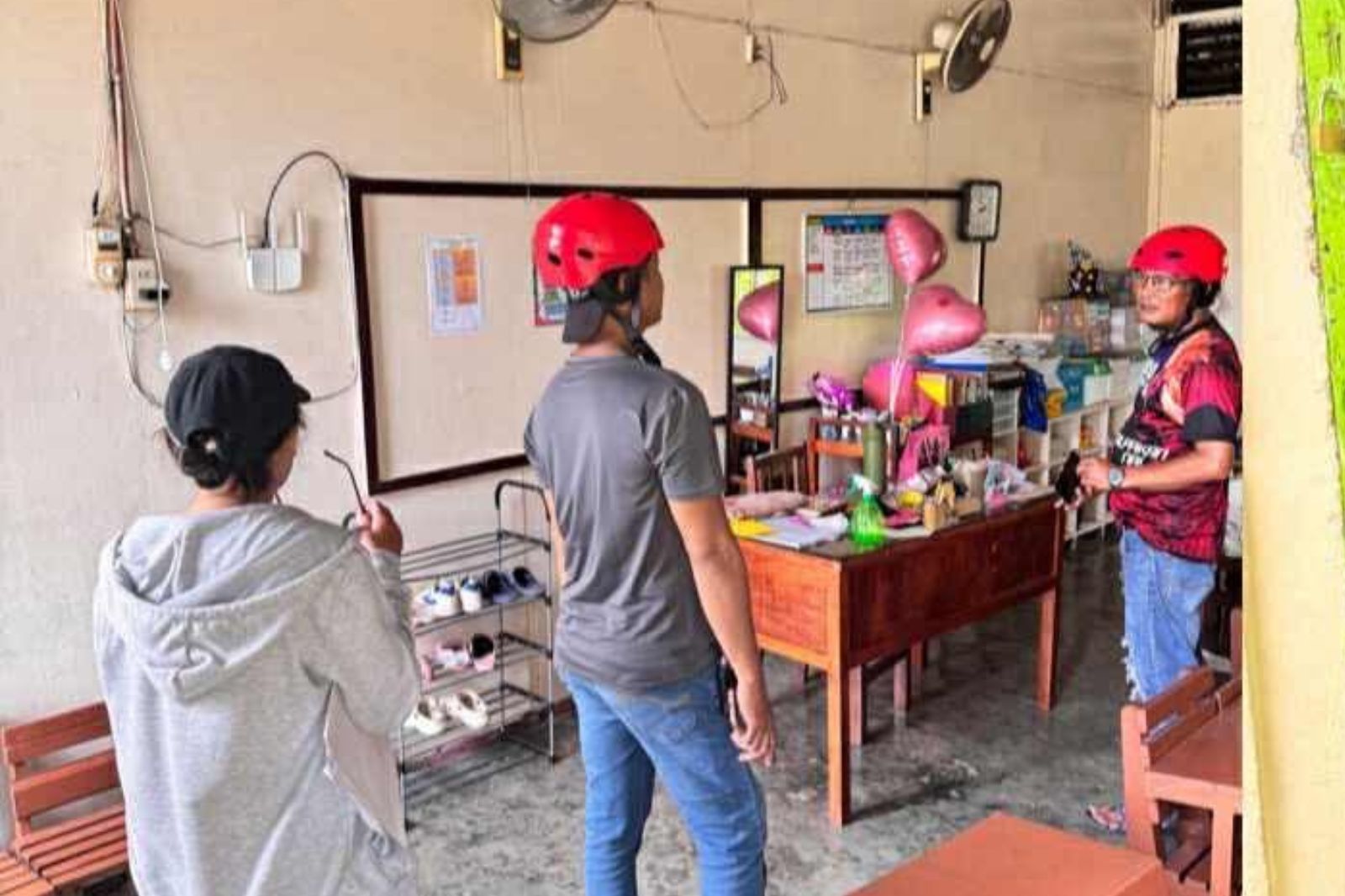
The Department of Education (DepEd) has initiated rapid disaster response operations and outlined immediate recovery requirements following severe operational disruptions caused by the southwest monsoon (habagat), enhanced by Tropical Cyclone Maymay.
Based on assessments as of August 14, the weather system has impacted eight regions across 73 DepEd divisions. Around 8.4 million learners and 365,308 DepEd personnel have seen their daily educational activities disrupted due to active in-person class suspensions affecting 12,477 public schools.
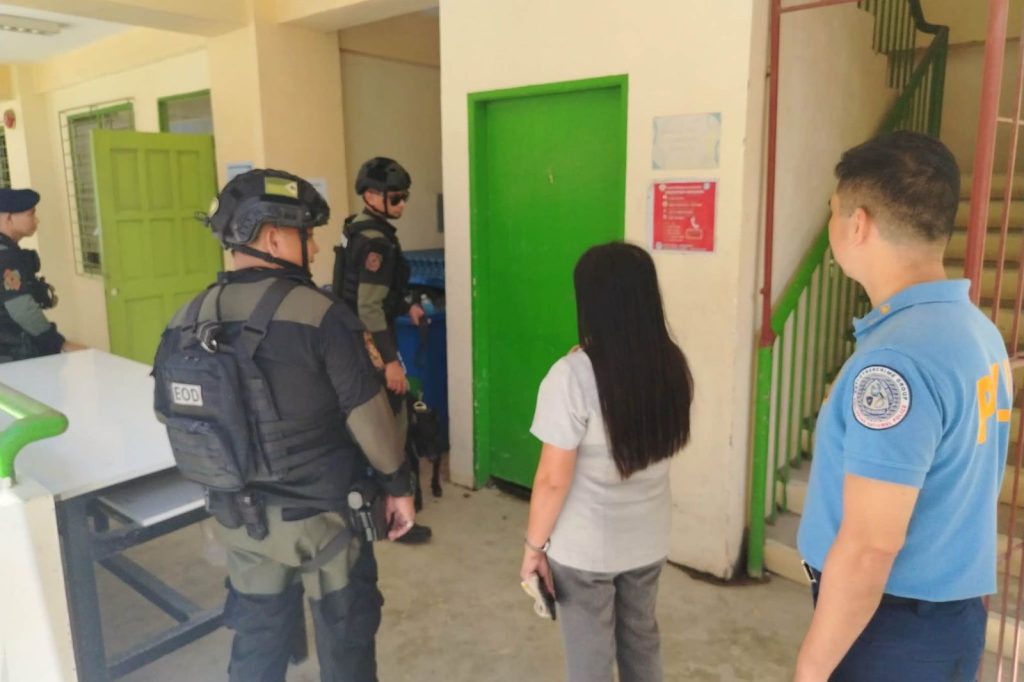
Education Secretary Sonny Angara emphasized that while physical safety remains the absolute priority, the Department is moving fast to minimize learning loss and restore damaged infrastructure.
“Unang-una sa lahat, ang kaligtasan ng ating mga mag-aaral, guro, at kawani ang aming pangunahing prayoridad. Ngunit habang sinisigurado natin ang kanilang seguridad, hindi natin pwedeng hayaang matigil nang matagal ang pag-aaral ng ating mga kabataan,” Secretary Angara said.
“Ginagawa ng DepEd ang lahat para makabalik agad sa ligtas na pag-aaral ang ating mga estudyante,” Angara added.
To ensure swift learning continuity, the DepEd Disaster Risk Reduction and Management Service (DRRMS) has initiated the processing of the initial batch of recovery funds amounting to PHP 19.14 million.
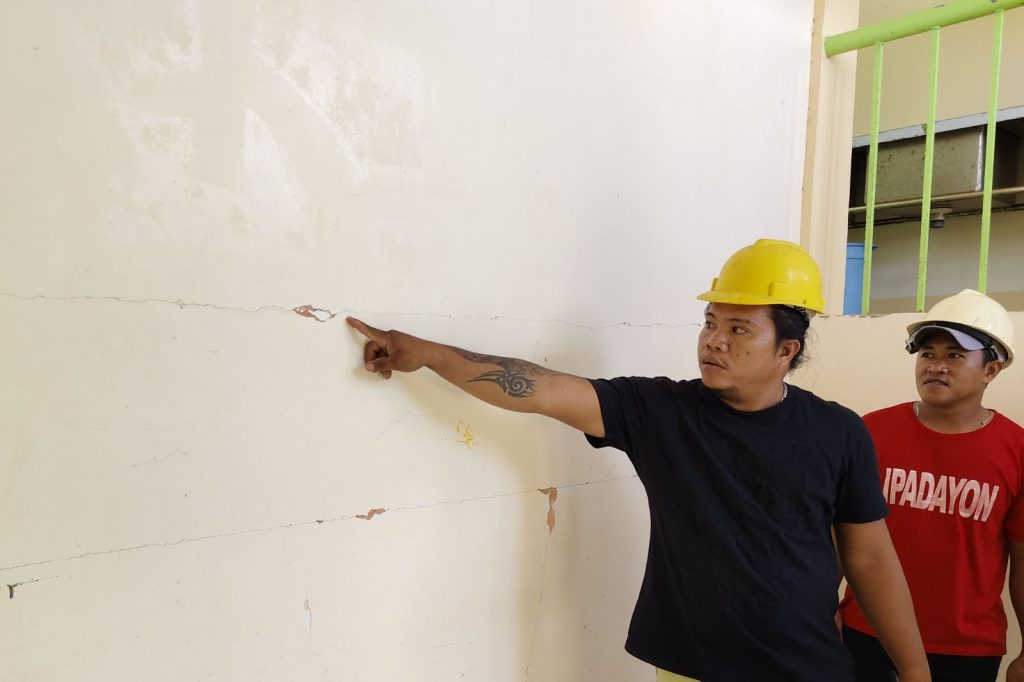
The disaster recovery framework covers funds for clean-up and clearing operations for 1,244 affected schools, and minor repair to restore 4,259 classrooms with minor structural damage.
In addition to physical repairs, field monitoring indicates that 230 public schools are serving as primary evacuation sites housing 6,840 families across 837 classrooms.
Overall infrastructure damage includes 1,423 classrooms with major damage and 1,395 totally damaged classrooms. Reported non-infrastructure asset losses stand at 16,981 learning materials, 11,151 school chairs, and 579 units of IT equipment.
DepEd continues to work closely with local government units (LGUs) and regional disaster management councils to monitor weather developments, streamline resource deployment, and coordinate local school clearances.
Where physical classroom access remains unsafe or impossible due to lingering floodwaters or their use as evacuation sites, schools have been authorized to implement alternative learning delivery modalities to maintain educational continuity.
