


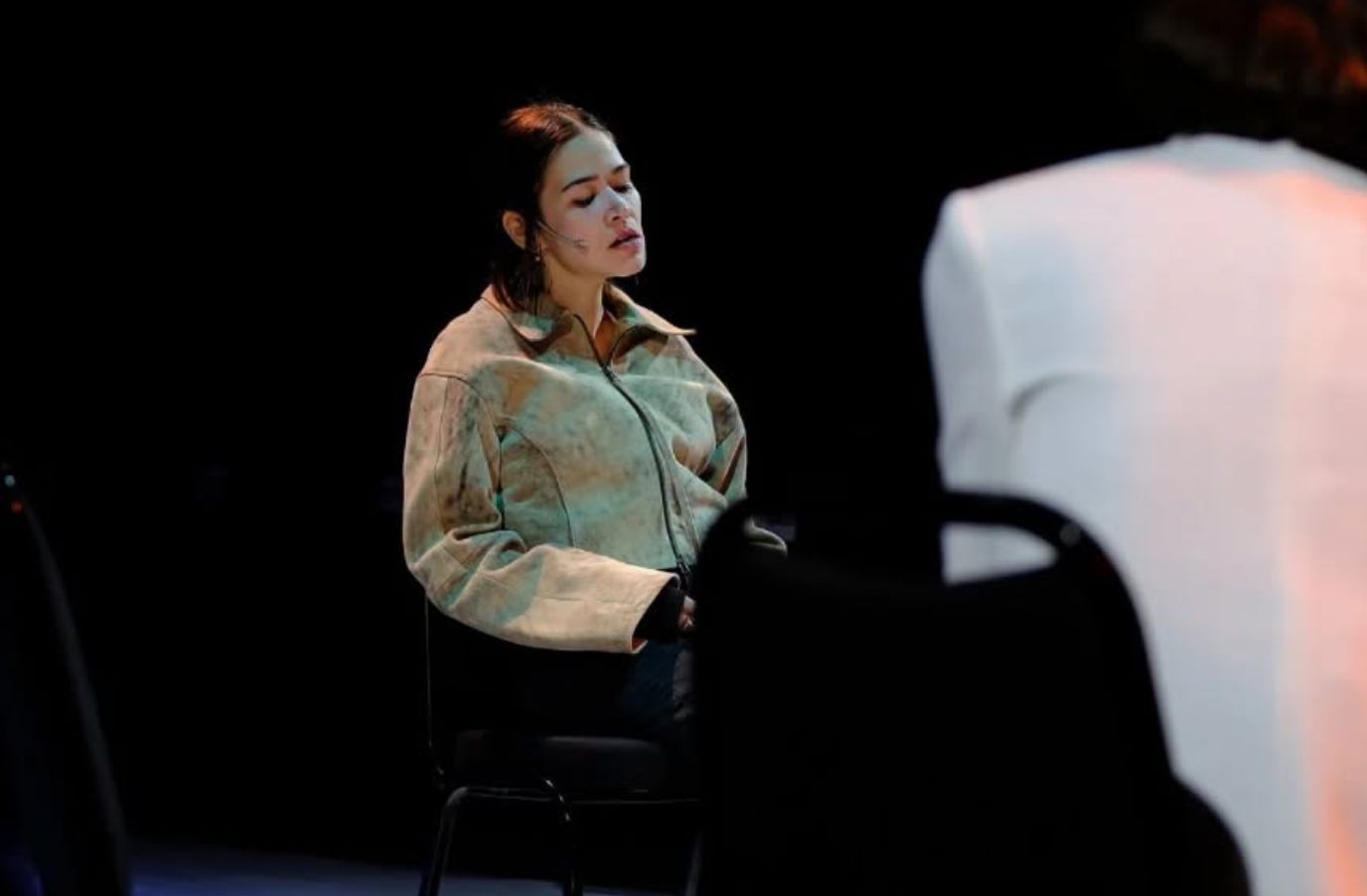
The Sandbox Collective’s staged reading of Duncan Macmillan’s People, Places & Things shows how theatre can become more intimate when stripped of elaborate sets, costumes, and spectacle. By putting the words and characters at the center, the production allows theatergoers to listen more closely and understand the characters’ struggles on a deeper and more immediate level. The simplicity of the staging does not lessen the experience; instead, it gives the audience more space to connect with the story.
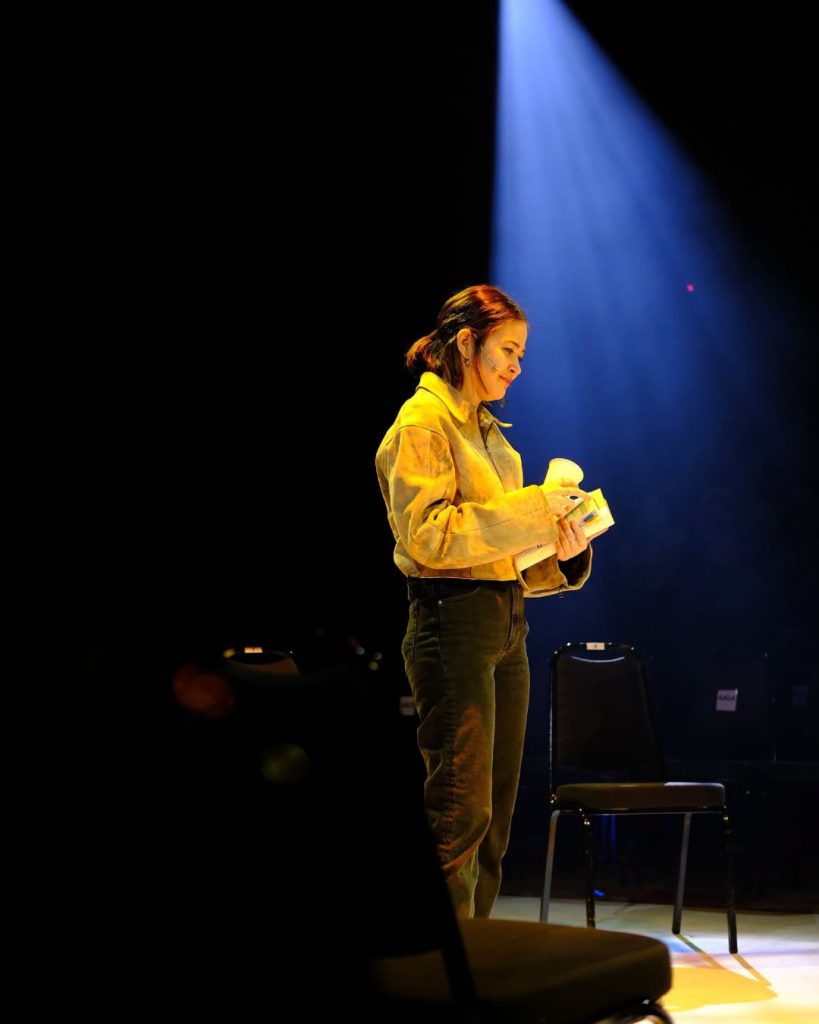
The play centers on what happens when escape stops working. Emma, an actress struggling with addiction, has used substances and performance as ways to distance herself from reality. But as the story unfolds, she is forced to confront the person beneath the identities she has created. The play explores self-acceptance, honesty, recovery, and agency without reducing addiction to a simple matter of willpower. It recognizes the complicated reasons people escape and the difficult responsibility of choosing to face oneself.
Bela Padilla, who plays Emma, delivers an excellent performance that connects deeply with both the audience and her fellow cast members. We can hear and feel Emma’s pain through Padilla’s voice, silences, reactions, and emotional shifts. Jake Cuenca, Audie Gemora, and Menchu Lauchengco likewise make strong impressions without relying on big movements or elaborate lighting but with the strong delivery of lines alone. Their restraint allows their characters and relationships to emerge naturally through dialogue, timing, voice, and interaction.
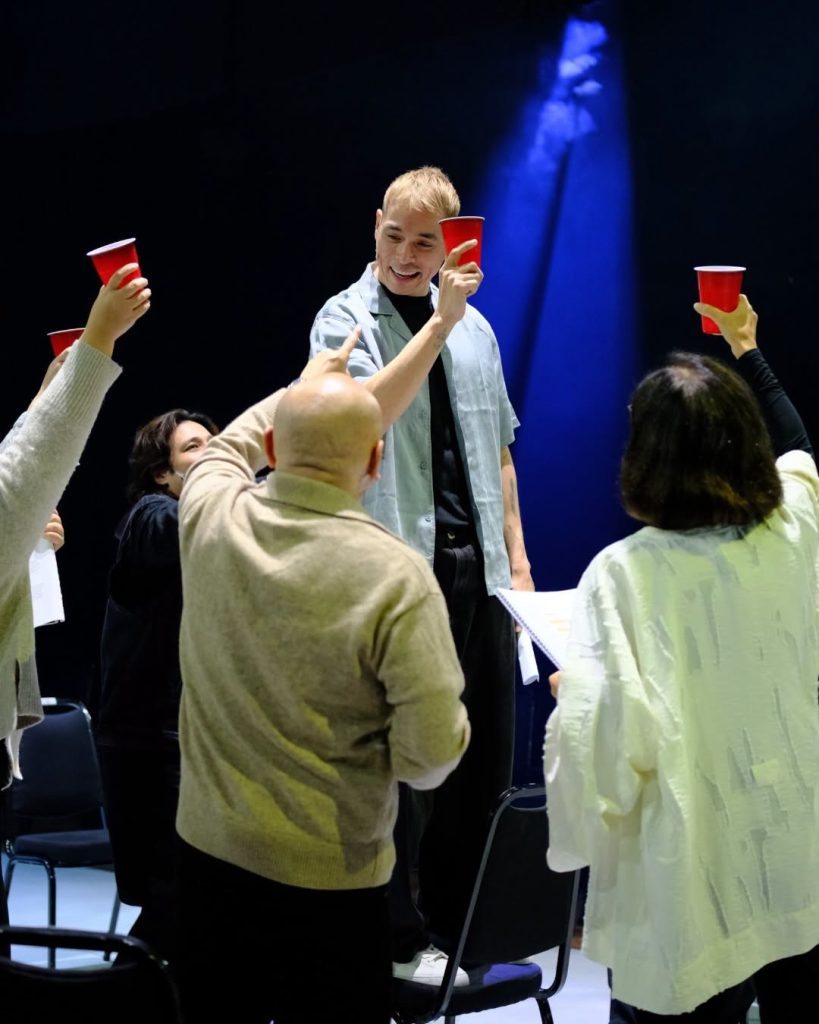
The ensemble features Robbie Guevara as Foster, Reb Atadero as T, Brian Sy as Shaun and Mark (Understudy), Mariella Laurel as Laura, Pamela Imperial as Charlotte, Miel Abong as Jodi, and Salve Villarosa van Schoonhoven as the Narrator. Gabby Padilla is alternating for Bela.
Ultimately, People, Places & Things reminds us that while people can help us confront our struggles, no one else can do the work of confronting ourselves for us. We can escape people, places, and things, but we cannot escape ourselves. The Sandbox Collective’s staged reading captures that truth with remarkable intimacy, proving that sometimes the most powerful theatre is the kind that leaves the spectacle behind and simply asks us to listen.
