


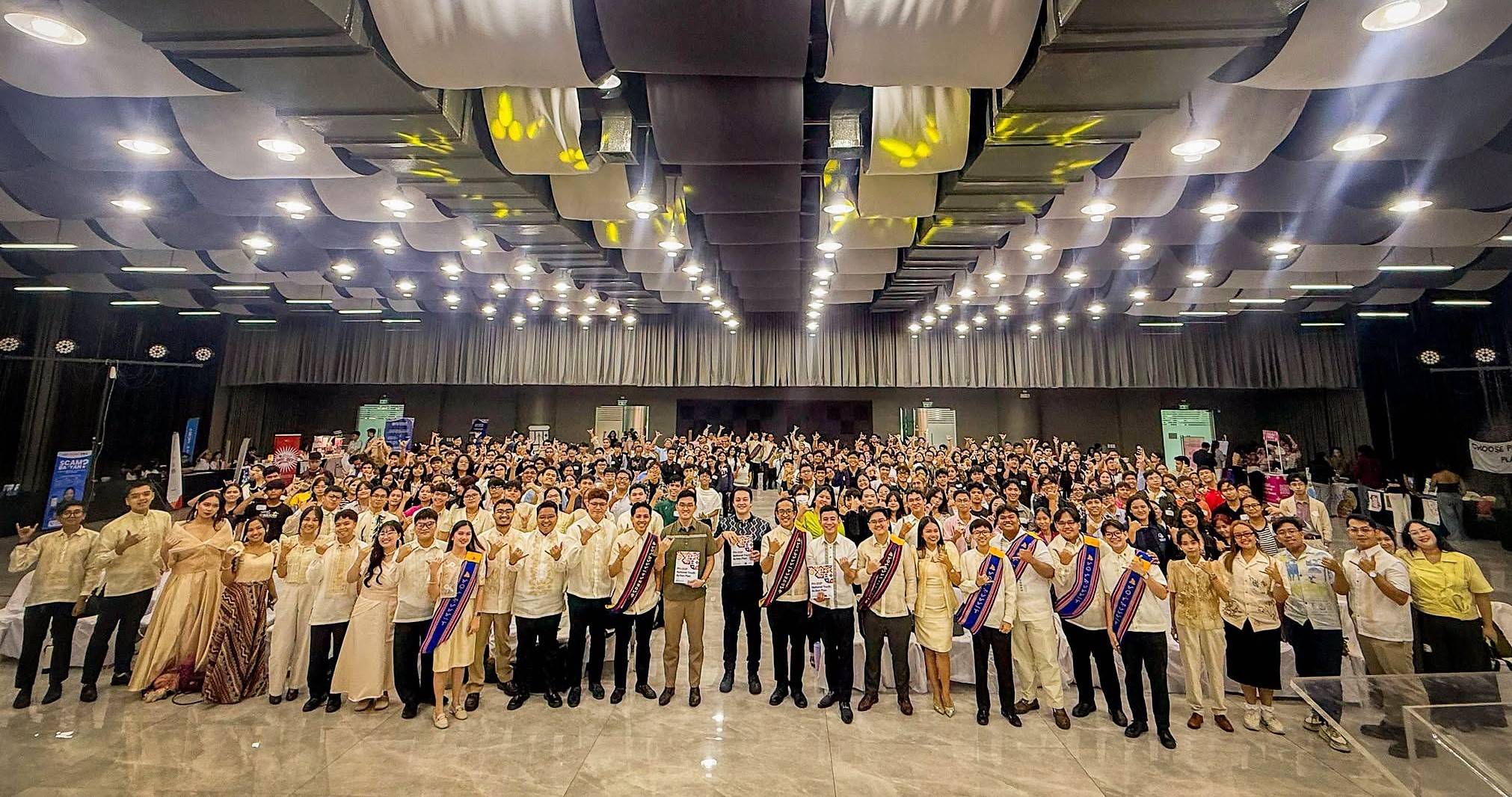
The recently concluded Good Governance Conference 2026, held at the Quezon City Meetings, Incentives, Conferences, and Exhibitions Center, has shifted the landscape of local public administration toward radical transparency and data-driven civic spaces. The summit gathered more than 300 student leaders, journalists, and civil society advocates under the theme “Tayo ang Gobyerno: Sama-samang Pagkilos ng Kabataan Para sa Mabuting Pamamahala.”
Organized by the youth-led nonprofit organization GoodGovPH, the event served as a forum for institutional accountability, multisectoral planning, and the formalization of modern policy frameworks. The conference emphasized that systemic governance reforms cannot be sustained in isolation. #GoodGovCon2026 brought together national agencies, local government units, and international development partners to establish a broad coalition geared toward inclusive policy co-creation.
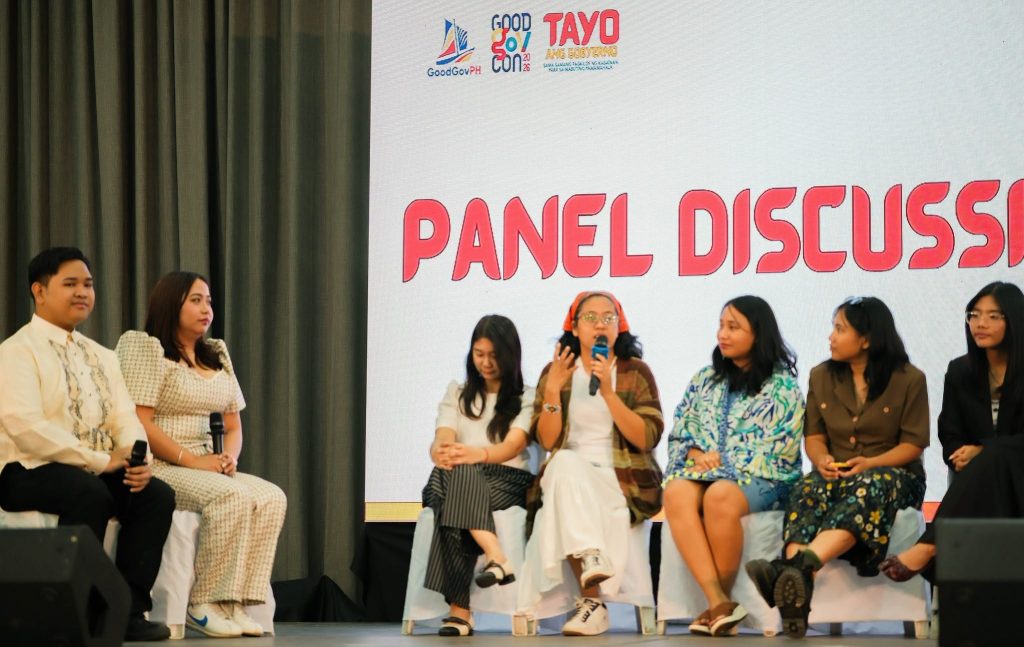
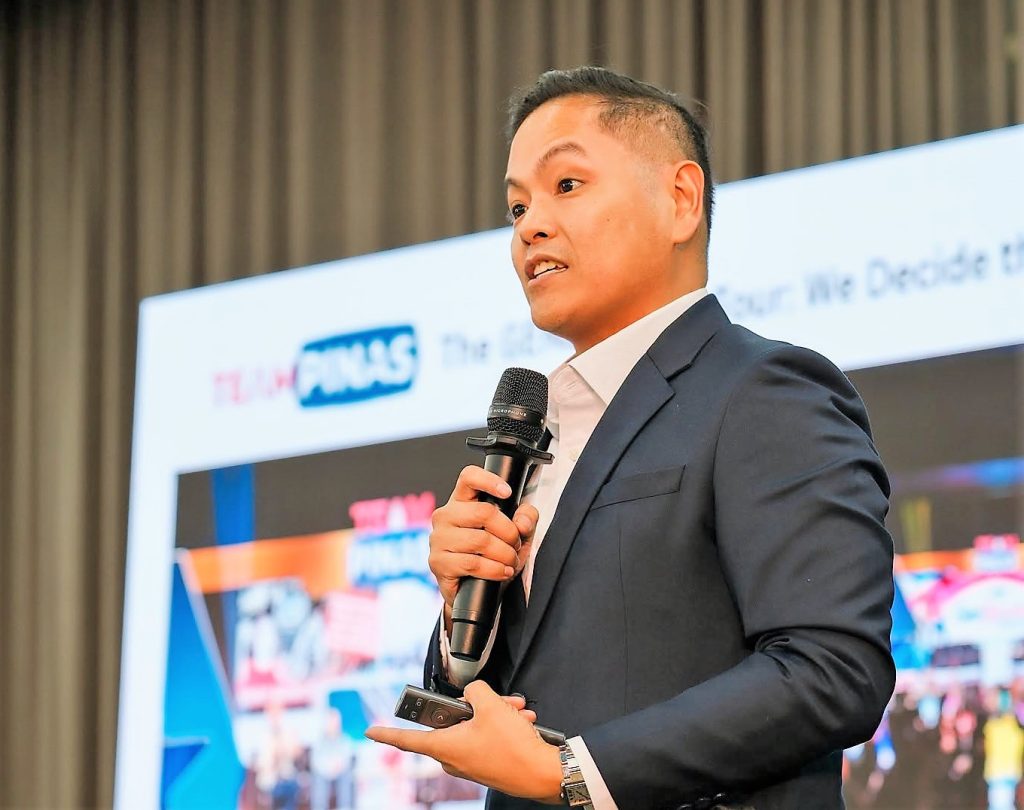
Department of Budget and Management Sec. Kim Robert C. de Leon committed to translating open-government policy concepts into practical operational mechanisms. On the other hand, National Youth Commission Chairperson and CEO Jeff Ortega and Visayas Commissioner Wacky Racho stressed the need for youth representation within formal governance structures.
Serving as a co-presenter, the Quezon City Government, led by Mayor Joy Belmonte, positioned the city as a progressive hub for responsive public service and urban innovation. Global institutions solidified the event’s structural foundations, with crucial funding and resources provided by the European Union and the Youth Democracy Cohort.
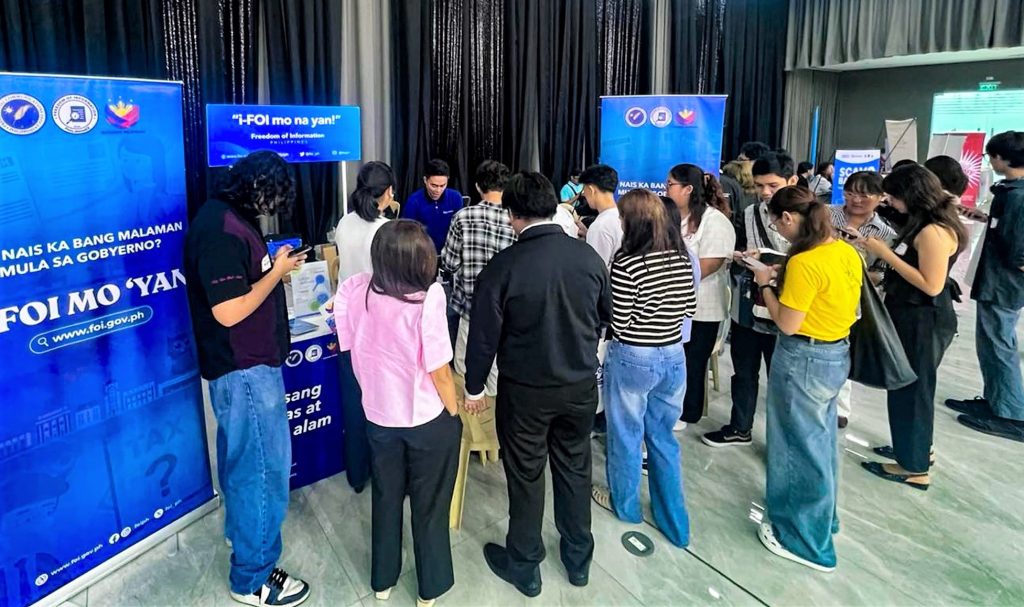
A diverse group of advocacy organizations steered specialized breakout sessions, mapping contemporary social priorities onto the broader governance agenda.
PANTAY, represented by Anna Cubacub, focused on queer feminist leadership, LGBTQ+ political representation, and intersectional inclusion. ASEAN-Australia Strategic Youth Partnership talked about access to information, digital oversight, and fiscal openness.
Meanwhile, Youth Advocates for Climate Action Philippines discussed climate equity, land rights, and environmental protection frameworks. CyberGuardians PH touched on expanding digital civic spaces and securing public safety online. Surian ng Sining engaged participants on how to utilize cultural performances and alternative art forms to decolonize public narratives. Atty. Carlo Africa of Dapat Isa Lang and Carlo Flores of Bantay Senado tackled their advocacy campaigns.
The conference moved past theoretical discourse by securing concrete, binding commitments from the state and civic leaders to institutionalize systemic transparency. The highlight of the summit was the ceremonial turnover of the Philippine Open Government Partnership Youth Action Plan (2026–2028). The roadmap was developed through national consultations and technical writeshops supported by local governments and academic institutions, including the Pamantasan ng Lungsod ng Pasig, West Visayas State University, Mindanao State University, and the University of the Philippines National College of Public Administration and Governance.
The summit officially welcomed the GoodGovPH Youth Board 2026–2027, a select group of 27 newly inducted fellows, to maintain momentum on the ground. Over their year-long tenure, these leaders will oversee grassroots community organizing, localized civic education campaigns, and independent policy oversight. This strategy ensures a steady pipeline of capable young leaders prepared to protect civic spaces and lead public-sector innovations.
