


The Department of Education (DepEd) is accelerating early recovery efforts in schools affected by Typhoon Inday and the enhanced Southwest Monsoon while sustaining heightened preparedness measures in communities threatened by the continuing unrest of Kanlaon Volcano, in line with its Education in Emergencies (EiE) Policy to ensure the safety of learners and the continuity of education during disasters.
Education Secretary Sonny Angara said the Department is implementing a whole-of-system approach that goes beyond disaster response by ensuring schools remain operational, resilient, and prepared before hazards escalate.
“Under our Education in Emergencies policy, every school is expected to be ready to protect learners while ensuring that learning continues safely. As we help communities recover from Typhoon Inday, we are also strengthening preparedness in areas affected by Kanlaon so our schools can respond quickly, adapt effectively, and continue serving our learners,” he said.
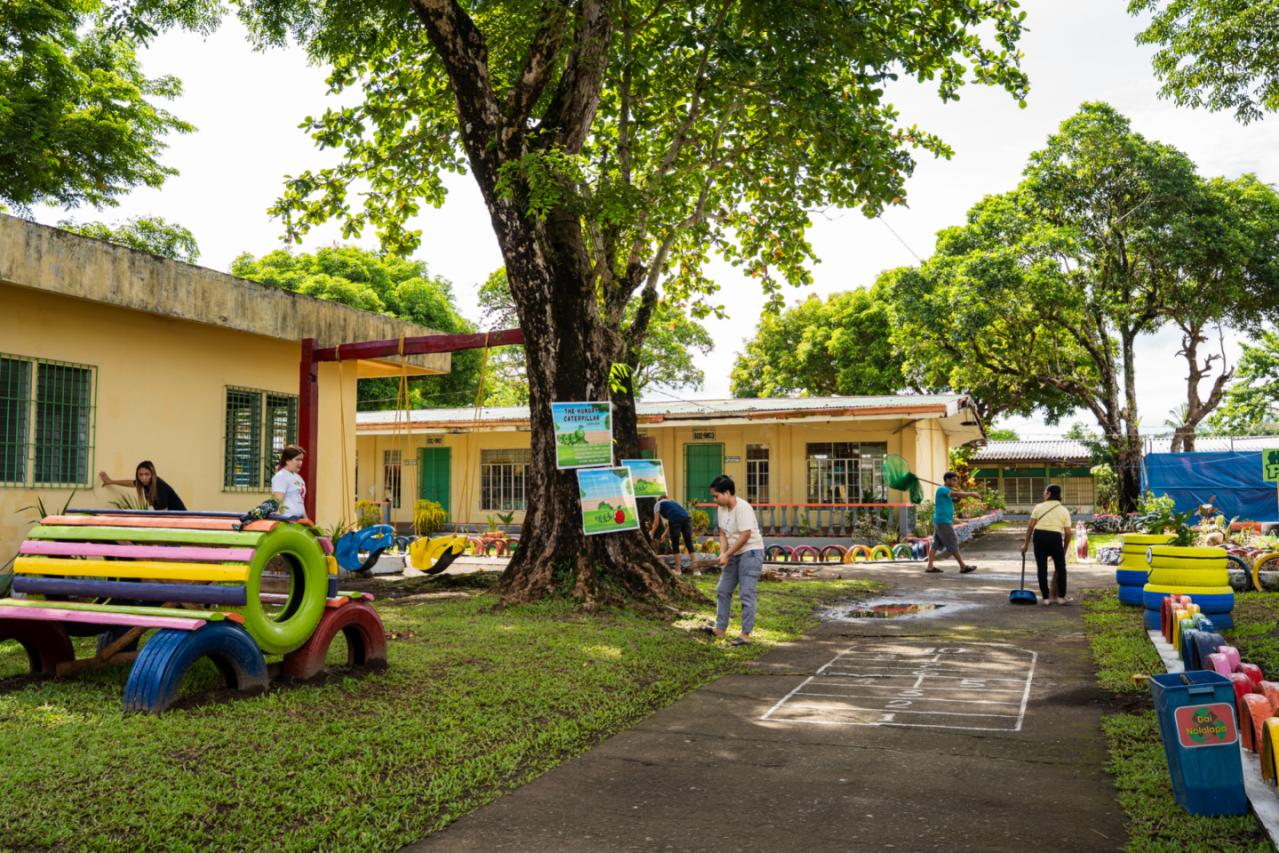
DepEd has transitioned from emergency response to early recovery operations, with school DRRM teams and schools division offices undertaking rapid damage assessments, conducting cleanup and clearing operations, and preparing interventions to restore safe learning environments in affected schools.
Based on the DepEd Disaster Risk Reduction and Management Service (DRRMS) Situation Report dated July 10, rapid assessments identified damage to 81 classrooms across six regions, including 43 with minor damage, 20 with major damage, and 18 totally damaged classrooms, subject to further validation by engineering teams.
At the height of the weather disturbance, the combined effects of Typhoon Inday and the Southwest Monsoon affected schools in 11 regions, prompting local implementation of Flexible Learning Options and other continuity measures in accordance with DepEd’s Education in Emergencies policy.
Meanwhile, DepEd remains on heightened alert in Negros Island Region following the continued volcanic unrest of Kanlaon. According to the latest PHIVOLCS Volcano Bulletin issued on July 13, Alert Level 2 remains in effect, with monitoring showing eight volcanic earthquakes over the past 24 hours. PHIVOLCS continues to enforce the four-kilometer Permanent Danger Zone and has warned of possible steam-driven or phreatic explosions and other sudden volcanic hazards.
DepEd’s Education in Emergencies Policy, institutionalized through DepEd Order No. 014, s. 2026, provides the framework for maintaining access to quality education before, during, and after emergencies. The policy institutionalizes Flexible Learning Options, continuity planning, psychosocial support, school safety measures, learning resource mobilization, and coordinated disaster response across all governance levels to minimize disruptions to learning.
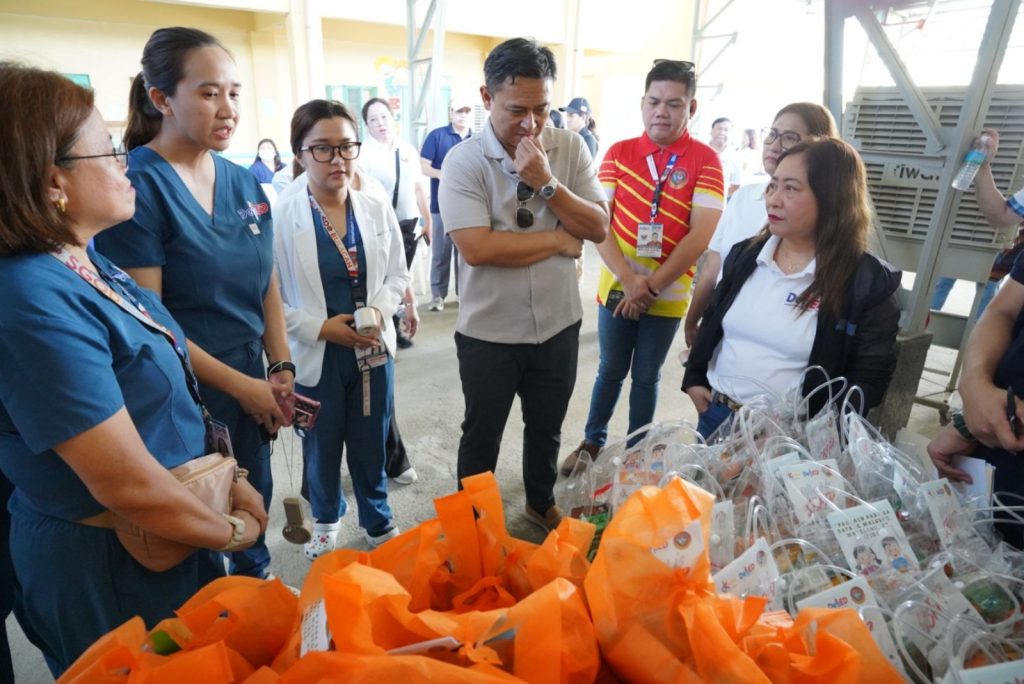
In line with the policy, Schools Division Offices have been directed to continuously assess school conditions, update contingency plans, coordinate closely with local Disaster Risk Reduction and Management Councils, secure learning resources and essential records, preposition emergency supplies, and identify schools that may be utilized as evacuation centers while ensuring that alternative learning arrangements can be activated whenever necessary.
DepEd said it will continue working closely with PHIVOLCS, PAGASA, the Office of Civil Defense, local government units, and other partner agencies to ensure timely decision-making and coordinated response as communities recover from Typhoon Inday and remain vigilant against the continuing activity of Kanlaon Volcano.
“The lessons from every emergency strengthen our resolve to build a more resilient education system. Our commitment is to ensure that every Filipino learner has a safe school, uninterrupted learning, and the support they need, no matter the challenges they face,” Angara said.
