


As artificial intelligence reshapes industries and cyber threats grow more sophisticated, PLDT Enterprise is urging organizations to rethink digital transformation by putting resilience at the core of every technology decision.
Rather than focusing solely on adopting the latest innovations, the company is encouraging business leaders to build organizations that can remain secure, trusted, and operational even in the face of disruption.
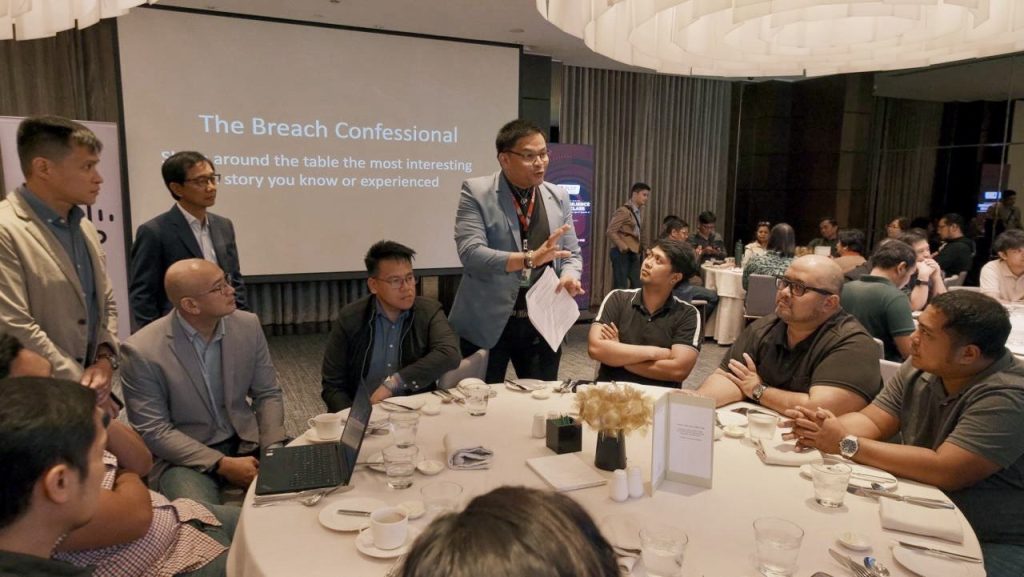
Through a series of industry conferences, executive discussions, and specialized workshops, PLDT Enterprise continues to advance conversations on digital and cyber resilience, preemptive cyber defense, data protection, and the growing role of Agentic AI in enterprise operations.
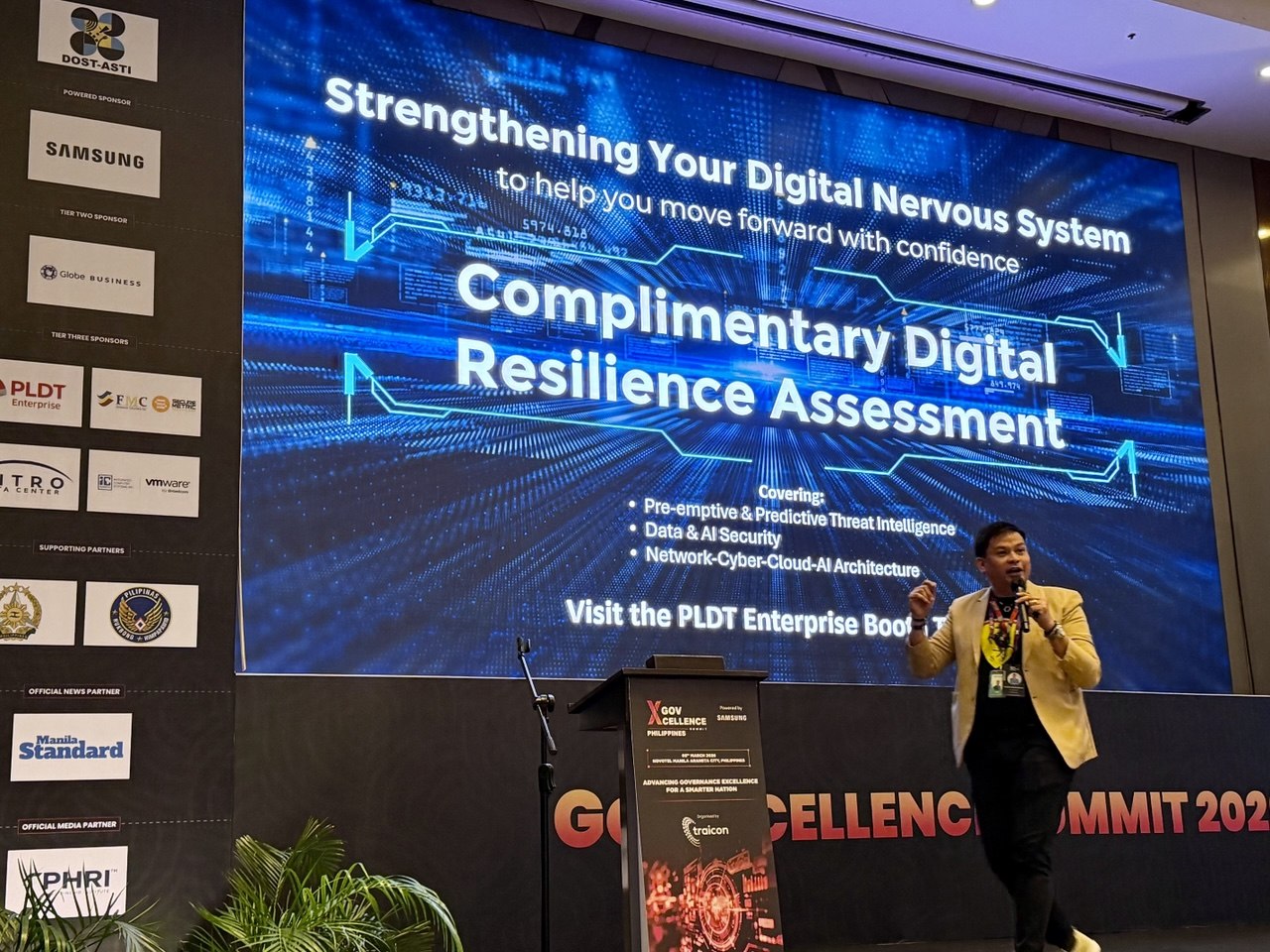
Leading these discussions is Alexis Bernardino, Principal CXO Advisor and Head of the CXO Advisory at PLDT Enterprise, who has represented the organization at key industry events, including GovXcellence Summit 2026, Cyber Resilience Summit 2026, Digital Next Philippines 2026, and the upcoming Philippines Agentic AI Forum.
These engagements build on PLDT Enterprise’s ongoing initiatives such as its Preemptive Cyber Defense discussions, Data Exposure Defense Workshop, and CXO Cyber and Digital Resilience Masterclass, helping business leaders across government, banking and financial services, large enterprises, and SMEs translate emerging technologies into practical business strategies.
Shifting from transformation to resilience
For years, digital transformation has centered on modernization through cloud migration, system integration, and digital platforms. But greater digital adoption also expands an organization’s exposure to cyber risks and operational disruptions.
PLDT Enterprise believes resilience must now become the next phase of transformation, enabling organizations not only to innovate but also to withstand, respond to, and recover from disruptions that could affect customers, employees, revenue, and public trust.
“In a landscape being reshaped by AI, transformation alone is no longer enough. Organizations must also ask whether their operations can remain secure, trusted, and available when disruption happens,” Bernardino said.
“Digital and cyber resilience means building that readiness across the entire enterprise—from connectivity infrastructure and networks to cloud, cybersecurity, data, and ultimately AI.”
Advancing conversations across industries
At GovXcellence Summit 2026, discussions focused on creating a unified, data-driven government ecosystem powered by innovations in cybersecurity and enterprise mobility, highlighting how digital governance continues to accelerate across the Philippines.
Cyber Resilience Summit 2026 brought together industry leaders to examine how organizations can sustain operations and maintain stakeholder trust during cyber incidents. The event emphasized resilience as a business priority, underscoring stronger governance, practical response frameworks, and readiness for AI-driven threats.
Meanwhile, Digital Next Philippines 2026 explored the country’s rapidly evolving digital economy, gathering leaders from government, financial services, telecommunications, retail, and other sectors to discuss balancing innovation with security, data protection, and customer trust.
Across these platforms, PLDT Enterprise consistently emphasized that cybersecurity should no longer be viewed as a standalone IT concern but as a strategic business function closely tied to operational continuity, customer experience, and long-term growth.
From reactive security to preemptive defense
A key message from PLDT Enterprise is the need to move beyond reactive cybersecurity toward a preemptive approach that identifies vulnerabilities before they become business-critical incidents.
Through its Data Exposure Defense framework and enterprise-wide architecture perspective, the company encourages organizations to view connectivity, networks, cloud infrastructure, cybersecurity, data, and AI as interconnected components rather than separate technology layers.
This holistic strategy enables businesses to better identify risks, strengthen defenses, and improve their ability to detect, respond to, and recover from cyber threats.
Preparing organizations for the Agentic AI era
PLDT Enterprise is also helping organizations prepare for the next evolution of artificial intelligence through Agentic AI—systems capable of planning, making decisions, executing tasks, and optimizing workflows with greater autonomy.
At the upcoming Philippines Agentic AI Forum, discussions will focus on helping enterprises move beyond AI experimentation toward production-ready implementations that deliver measurable business value.
For PLDT Enterprise, this supports the development of an Agentic AI Operations practice that integrates infrastructure modernization, connectivity, cloud, cybersecurity, data, and AI into a unified operating model.
“AI is turbocharging the speed and scale of change on both sides of cybersecurity,” Bernardino said.
“The same technology creating new risks can also help organizations detect threats earlier, respond faster, and operate more intelligently. The challenge is adopting AI with the right architecture, governance, and security controls from the very beginning.”
Making resilience practical for business leaders
Through its growing presence in industry forums and executive engagements, PLDT Enterprise continues to translate complex technologies into practical guidance for decision-makers.
Beyond discussing future innovations, the company focuses on helping organizations protect critical services, strengthen customer trust, prepare employees for disruption, and ensure that innovation advances without compromising security.
By combining its fixed, wireless, and ICT capabilities with advisory expertise in digital resilience, cybersecurity, and Agentic AI operations, PLDT Enterprise is helping Philippine organizations build a future where transformation, protection, and business continuity progress together.
As AI adoption accelerates and cyber threats continue to evolve, PLDT Enterprise believes resilience will become the defining capability that enables organizations to adapt with confidence while protecting the people, operations, and trust that matter most.
