


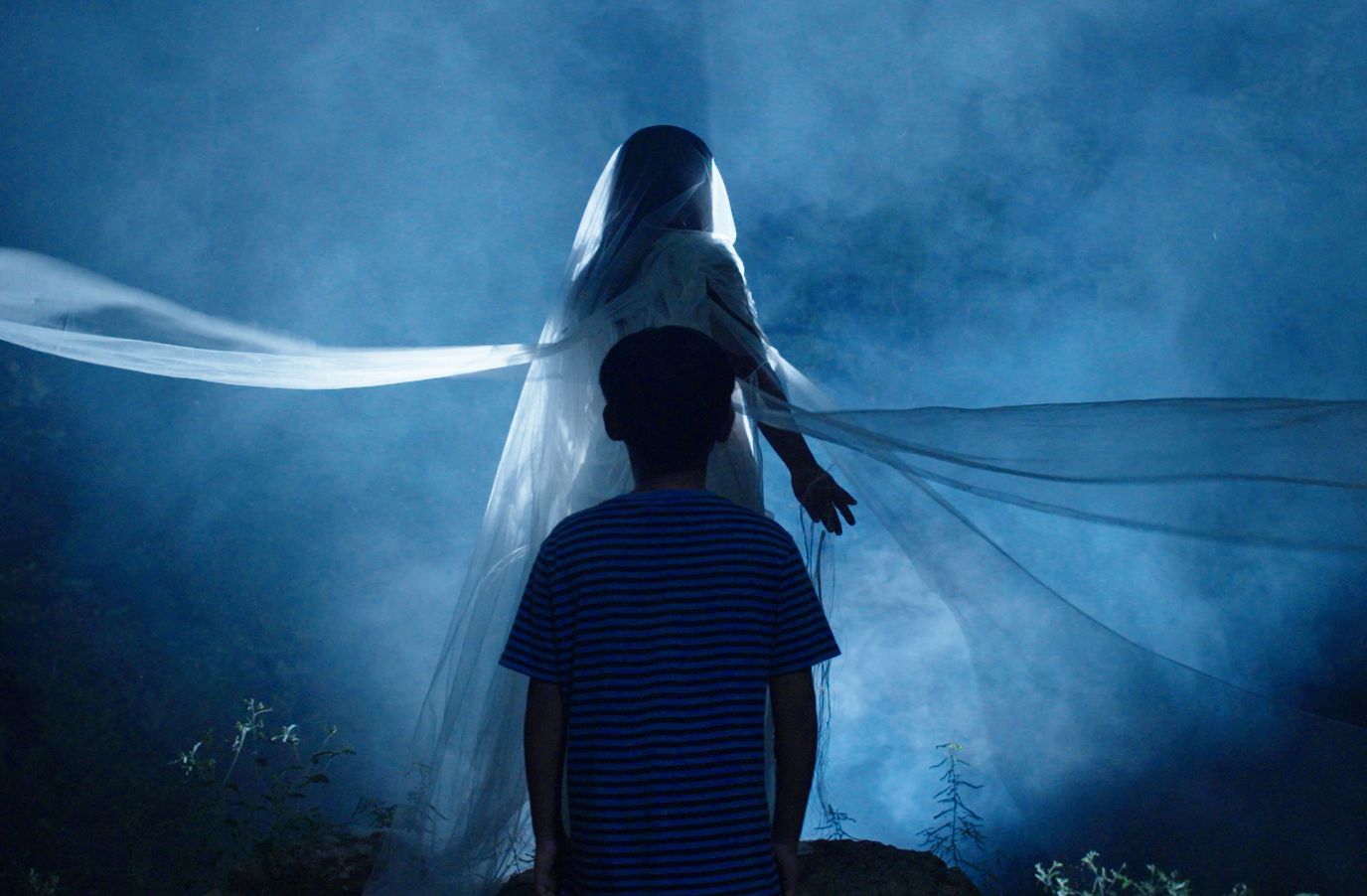
Alpha Habon’s Kaka Sa Yawan is a deeply moving Cinemalaya film that celebrates friendship, acceptance, and the quiet courage it takes to heal through remembering. Rather than relying on dramatic revelations, the film unfolds with gentleness, inviting audiences to rediscover childhood through the honest and curious eyes of its young characters. It reminds us that the purest friendships are formed long before fear, prejudice, and the complexities of adulthood begin to shape how we see one another.
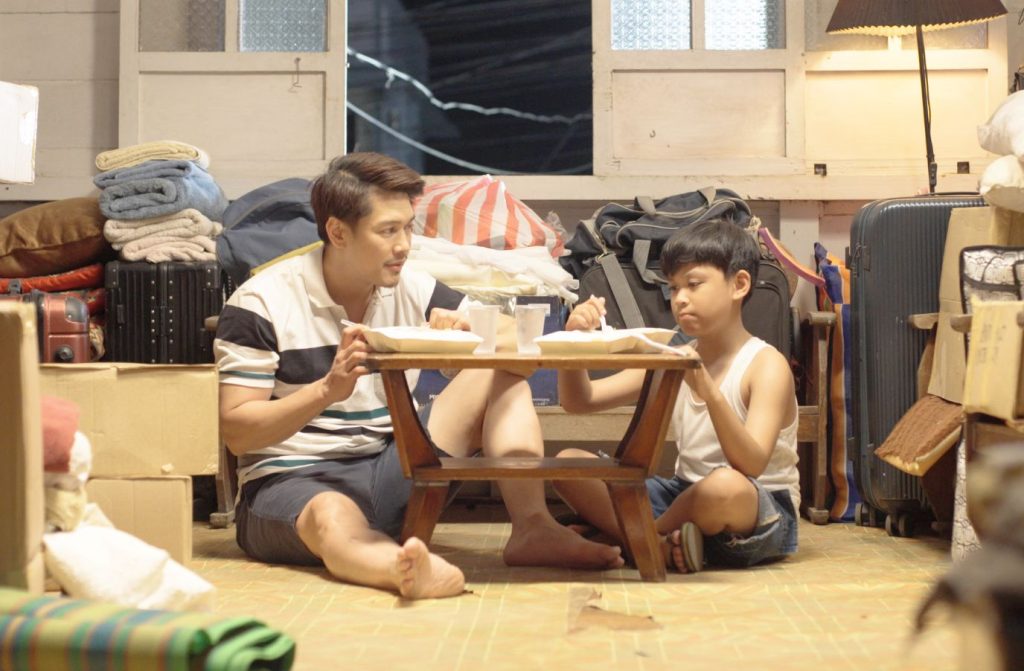
Habon tells the story with remarkable sensitivity, allowing silence, nature, and simple moments to carry as much emotional weight as dialogue. The film reflects on memory not as something to be escaped, but as something that helps us understand who we are and how we move forward. As the narrative unfolds, remembrance becomes an act of healing, proving that confronting the past can also become the first step toward acceptance.
One of the film’s greatest strengths is the way it seamlessly weaves Mangyan culture and folklore into its storytelling. Rather than serving as mere cultural references, these traditions become part of the film’s emotional and spiritual foundation. The breathtaking landscapes of Sitio Gravinda in Oriental Mindoro are equally vital, transforming the setting into a living presence that mirrors the characters’ journeys. Every frame feels purposeful, immersing viewers in a place where nature, heritage, and memory exist in harmony.

The ensemble delivers performances filled with sincerity and emotional truth. Bryce Nicolo Mercader, Dennis Dato, and Deanne Bautista bring authenticity to their young characters, capturing both the innocence and vulnerability that define childhood. Noelle Polack, as Nanay Binayi, grounds the film with warmth and quiet strength, becoming its emotional heart. Beaver Magtalas, Luis Alandy, Nikki Valdez, Karl Medina, Queenay Mercado, and Benedix Ramos round out the cast with understated performances that enrich the film’s exploration of family, belonging, forgiveness, and acceptance.
In the end, Kaka Sa Yawan is more than a coming-of-age story. It is a heartfelt reflection on the people and memories that shape us, and the grace it takes to let go without forgetting.
