


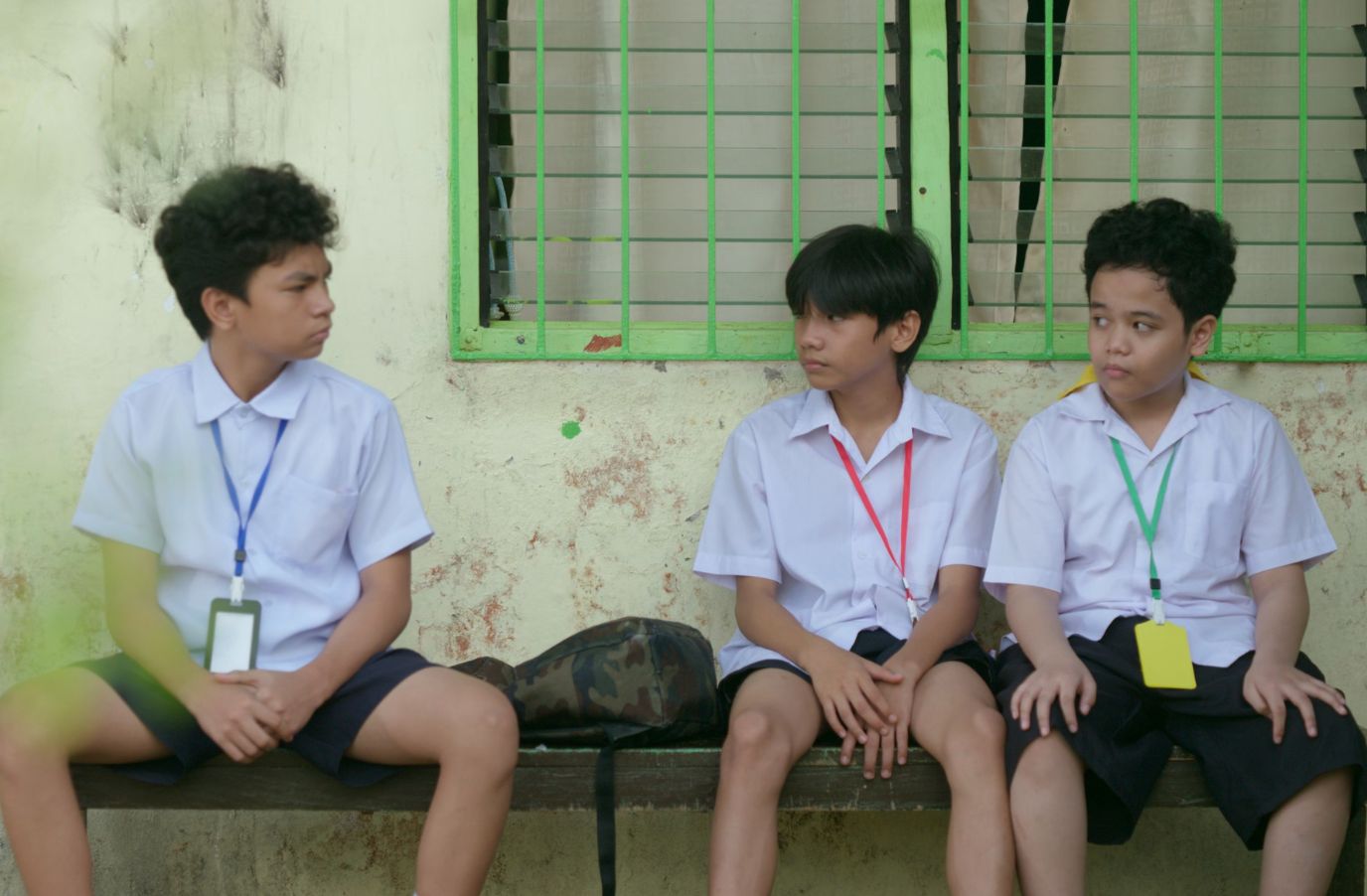
Tyranny has a way of surviving its victims. It changes faces, finds new spaces, and quietly passes from one generation to the next. In JL Burgos’ Ganggang, this persistence becomes the film’s most disturbing truth. More than a film made to be watched and appreciated at Cinemalaya, it feels like an igniting torch, a continuation of Burgos’ commitment to making people see, remember, question, and, most importantly, talk. The film understands that disappearance is never only about the person who is taken; it is about the lives left suspended in the aftermath.
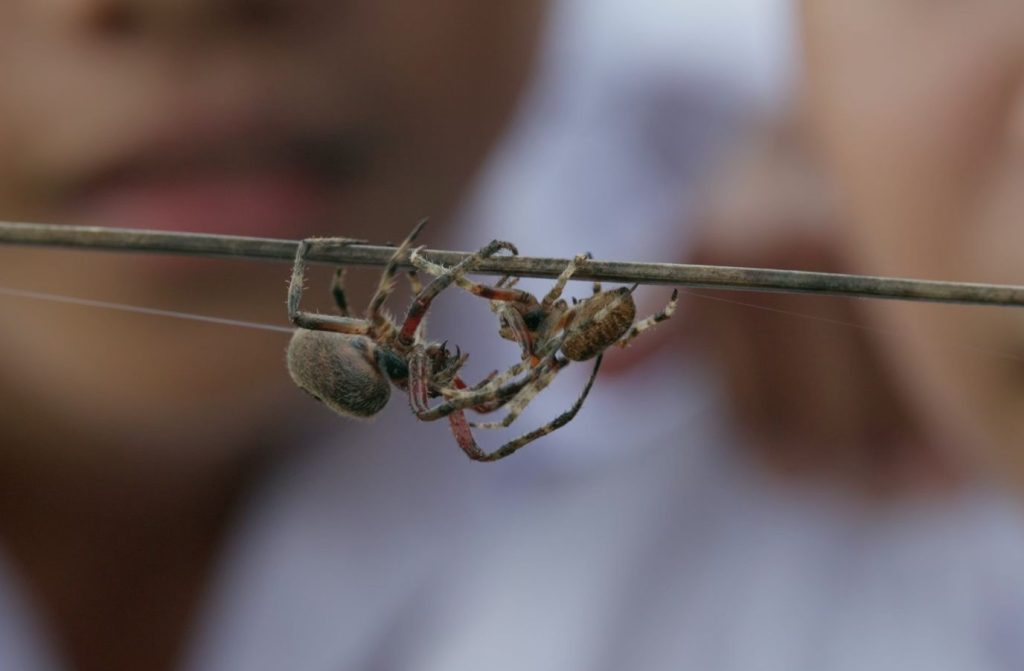
The ganggang, a spider used in derby, becomes an unsettlingly effective metaphor for stolen freedom. A creature meant to move freely is captured, restrained, and forced into a violent fight it never chose. Burgos extends this image to people whose lives are abruptly taken from them, snatched away from their families, routines, and futures. The metaphor is simple, but its implications are devastating. What makes the film painful is the recognition that behind every disappearance is not just a missing individual, but an entire network of people forced to live with uncertainty, grief, anger, and the unbearable question of whether their loved one will ever return.
Yet Ganggang refuses to confine its gaze to the individual. It asks us to consider the communities where disappearances happen beyond the reach of headlines and public attention. We have seen this reality in Alipato’t Muog, where the abduction of Jonas Burgos in broad daylight at a crowded mall became a chilling reminder that people can disappear even in places surrounded by witnesses. Ganggang pushes the question further: what happens when the disappearance occurs somewhere less visible, where there are no cameras, no immediate public outcry, and no guarantee that the story will ever become news? In that sense, the film becomes a critique not only of tyranny, but also of the silence and invisibility that allow it to persist.
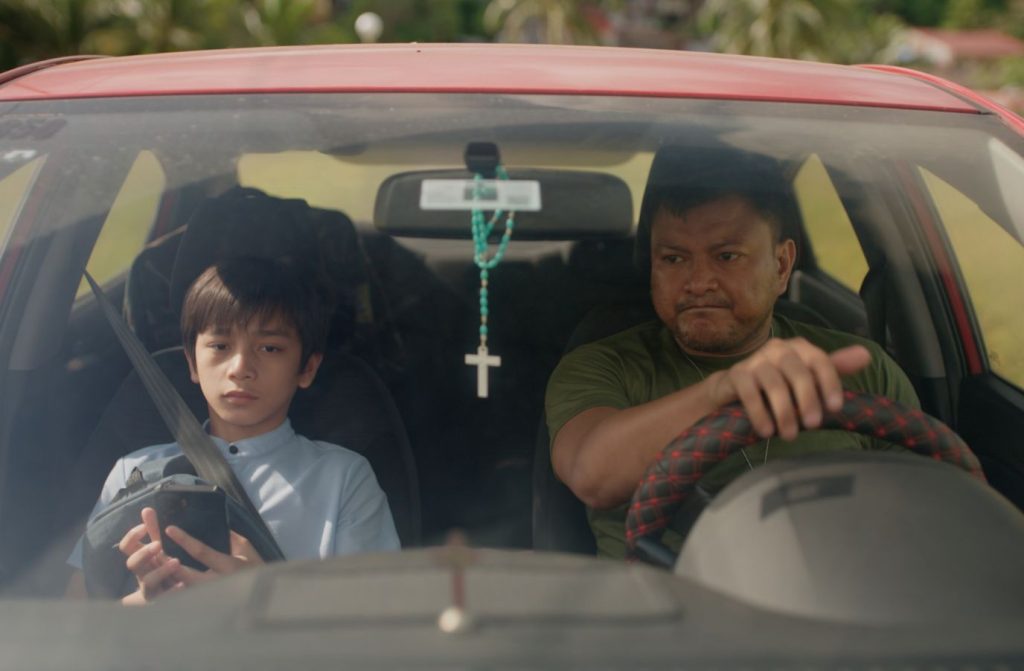
Perhaps the film’s most unsettling dimension is its treatment of children and generational trauma. Tyranny does not simply end when an act of violence is over; its effects can seep into the next generation, shaping how children understand fear, power, anger, and violence. Ganggang confronts the uncomfortable possibility that bullies are not necessarily born but made, shaped by environments where violence becomes normalized and pain is passed down as behavior. This creates a vicious cycle: violence produces trauma, trauma produces anger, and anger eventually finds another victim. The tragedy is not only that the cycle continues, but that those who inherit the wound can eventually become capable of inflicting it.
Ultimately, Ganggang is Burgos’ torch against forgetting. It does not offer the easy comfort of closure because, for many families of the missing, there is none. Instead, it insists on remembrance as an act of resistance and conversation as a refusal to surrender to silence. The ganggang may be trapped and forced to fight, but the metaphor extends beyond the spider to a society that must confront what happens when freedom is taken away and violence becomes ordinary. The search for the missing must continue, and so must the conversation. Because as long as we remember, speak, and refuse to look away, tyranny does not get to have the final word.
