


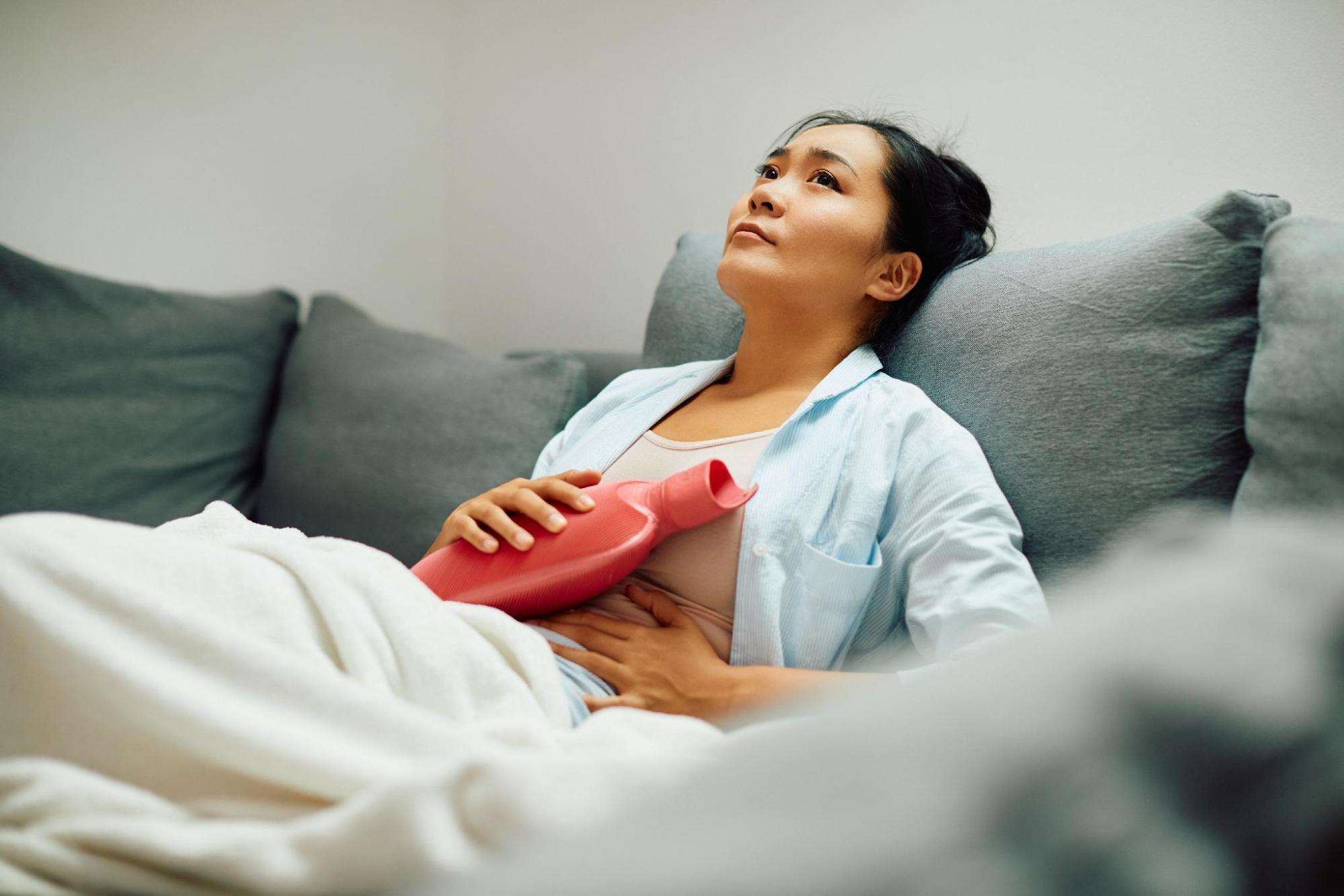
“Tiis ganda” has long been worn like a badge of honor—an everyday test of endurance where women are expected to look composed, stay productive, and push through discomfort as if it’s part of the job description. From long days at school or work to back-to-back responsibilities, it’s a quiet culture of kaya pa, even when the body is clearly asking for a pause.
But nowhere does this expectation feel more real than during menstruation. Period pain becomes another layer of “tiis”—the kind that can turn reviewing for an exam, finishing a presentation, or even simply getting out of bed into a full-on challenge.
Yet despite how common it is, menstrual pain is still often brushed off as something to simply endure. Somewhere along the way, women were made to believe that suffering in silence is just part of being capable and productive. But when did pain become part of the honor roll checklist?
The “Tiis Ganda” Culture Around Period Pain
“Tiis ganda” has long been woven into everyday womanhood—not just as a cultural phrase, but as an unspoken standard of strength and self-control. It often gets framed as resilience, yet it can also mean normalizing discomfort that goes unseen, unspoken, and unquestioned.
One of the most common—but least openly discussed—forms of this is period pain, or dysmenorrhea, the medical term for painful menstrual cramps that can seriously disrupt everyday life. For many, it could mean throbbing cramps, lower back pain, nausea, headaches, and energy levels so low that even getting through a one-hour lecture feels like a major achievement.
Still, many young women simply power through. Why? The study by the National Library of Medicine found that period pain has been normalized for so long that it barely gets questioned. Add to that the fear of being labeled “dramatic,” the pressure to stay productive, and the long-standing idea that pain is just part of womanhood—and silence becomes the default response.
The result? A culture of tiis ganda around period pain, where resilience sometimes looks like suffering in silence. But while pushing through may seem admirable, painful periods can quietly take a toll: losing focus during exams, zoning out in class, skipping org activities, feeling drained before the day even starts, or missing out on enriching experiences that are part of student life.
Managing period pain more effectively
The truth is, period pain is common—but it shouldn’t be normalized to the point of neglect.
Health experts emphasize that menstrual discomfort that disrupts daily life deserves attention, not dismissal. It is not something students or women in general should be expected to “just live with” as part of being productive or resilient. For many young women, managing menstrual cramps often means continuing through discomfort that may warrant greater attention and care.
There is growing recognition that enduring pain should not be treated as an expected part of being productive or resilient. Menstrual discomfort, particularly when it interferes with daily activities, should be managed proactively. Measures such as adequate rest, hydration, heat therapy, and light physical activity may help alleviate symptoms. More importantly, seeking appropriate relief and support should be considered a routine part of self-care, not an afterthought.
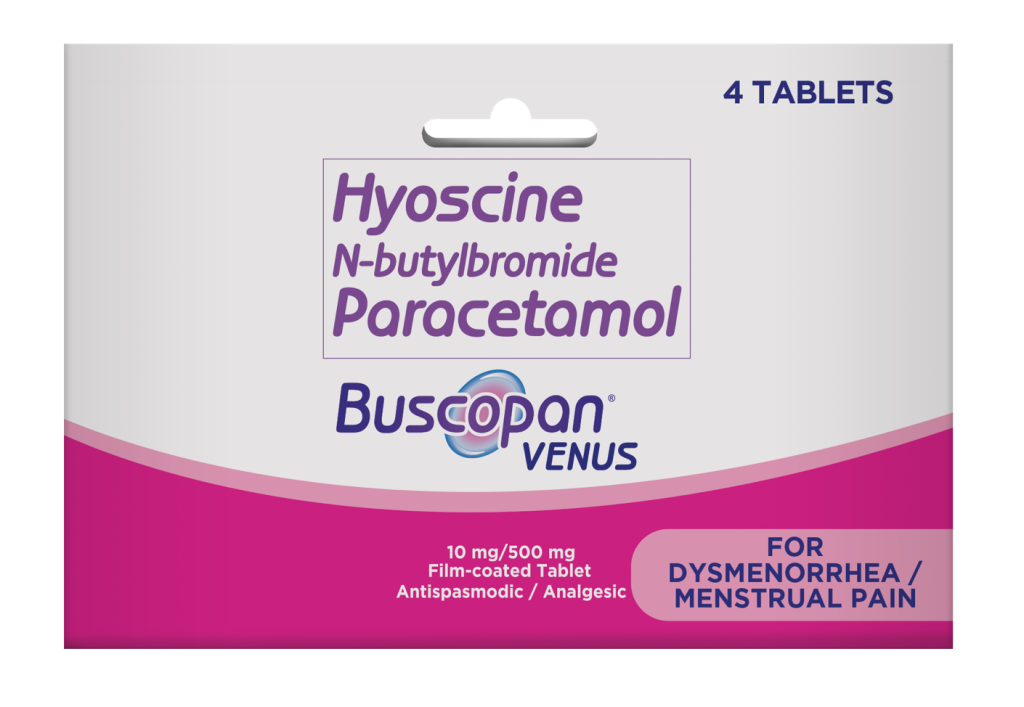
For women students navigating busy school months, Hyoscine N-butylbromide + Paracetamol (Buscopan Venus) helps treat dysmenorrhea at the source, works in as fast as 15 minutes for relief that can last throughout the day, and helps reduce the intensity of future period pain. It can be taken as 1–2 tablets, up to 3 times daily, or as prescribed by a physician.
Ultimately, managing student life should not mean ignoring physical discomfort. Menstrual pain is not a requirement for discipline, achievement, or strength. While resilience remains valuable, it should never come at the cost of unnecessary suffering.
The conversation is evolving—from silent endurance to active care. And in that shift, a clearer message emerges: women and students can pursue their goals fully, without having to “tiis” pain as part of the process.
###
IF SYMPTOMS PERSIST, CONSULT YOUR DOCTOR.
MAT-PH-2600884 / Ver 1.0 / DA 06-2026 / DM 06-2026
Opella Healthcare Philippines Inc.
ASC Ref. No. S0248P063026B
