


The rise of GLP-1 (glucagon-like peptide-1) medications has become one of the most talked-about developments in weight management, nutrition, and long-term health in recent years. While the conversation gained significant attention in the United States, GLP-1 therapies are also becoming more accessible in the Philippines through licensed healthcare providers, bringing greater interest in nutrition and more mindful food choices.
GLP-1 medications can play a role in appetite and blood sugar regulation, but they do not replace the importance of a balanced diet. The American Diabetes Association’s Standards of Care emphasizes that these medications are part of a broader approach that may include individualized nutrition and lifestyle interventions. For consumers, this can mean paying closer attention to nutrient-dense foods and added sugar as part of their overall eating habits.
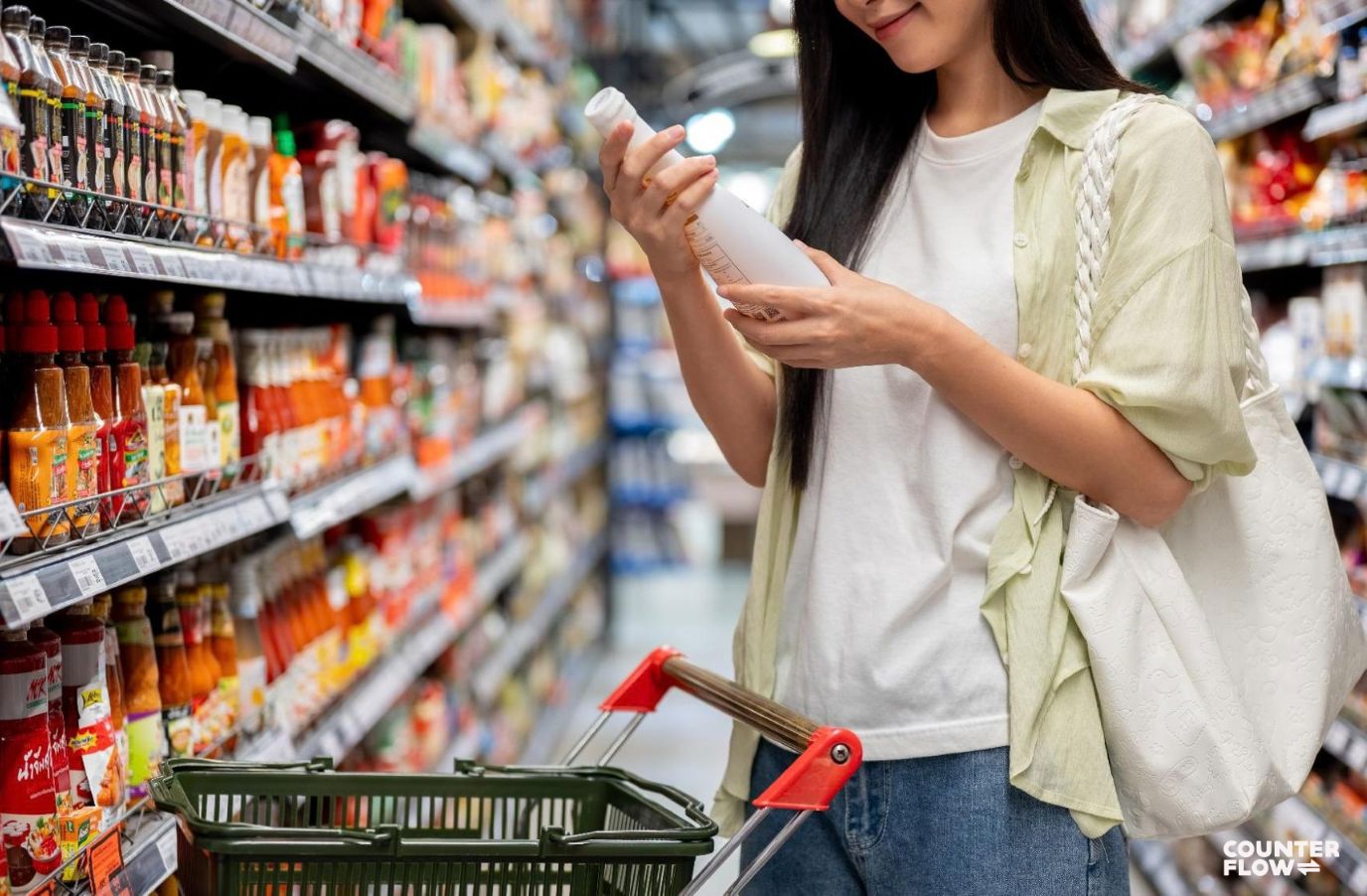
One practical place to start is the grocery aisle, where understanding food labels can help shoppers make more informed decisions.
Choosing lower-sugar products can be challenging, especially with terms such as “sugar-free,” “no added sugar,” and “naturally sweetened” appearing prominently on food packaging. These claims have different meanings, while sugar and sugar-containing ingredients can also appear under various names in ingredient lists.
Healthy Options offers a range of products with nutritional information and ingredient details to help shoppers compare choices and find options that fit their dietary preferences and wellness goals.
“We’re seeing more customers ask questions about ingredients and nutrition—not only because they want to eat healthier, but because they’re looking for products that fit their individual wellness goals,” said Romy Sia, Managing Director of Healthy Options. “Whether someone is simply cutting back on sugar or following a nutrition plan recommended by their healthcare professional, we want to make it easier for them to shop with confidence.”
Food packaging can offer useful information, but knowing what different sugar claims mean can help consumers look beyond front-of-pack messaging. “Sugar-free” products contain only minimal amounts of sugar per serving and may use alternative sweeteners. “No added sugar” means that sugars or sugar-containing ingredients were not added during production, although naturally occurring sugars, such as those found in fruit or milk, may still be present.
“Natural sweetener” or “naturally sweetened” generally refers to sweetness derived from naturally sourced ingredients rather than refined sugar. Because these descriptions may not provide a complete picture of a product’s nutritional profile, shoppers can also check the Nutrition Facts panel and ingredient list.glucagon-like peptide-1
Beyond sugar claims, looking at serving size, total sugar, fiber, protein, and the full ingredient list can provide a better understanding of how a product fits into an individual’s eating plan.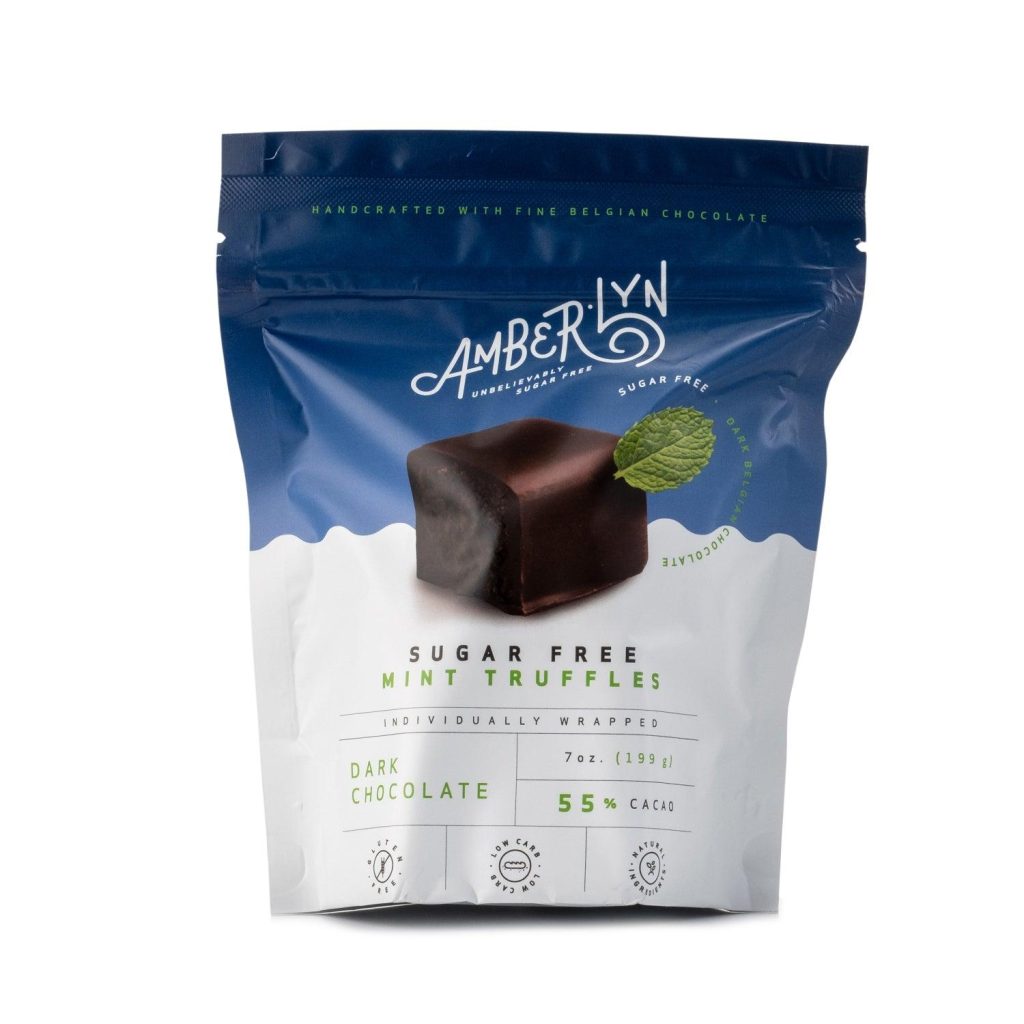
Healthy Options carries a variety of lower-sugar and sugar-free choices, including Healthy Options Sugar-Free Chocolate Chip Cookies, St. Amour Triples Cookies, Amberlyn’s Sugar-Free Belgian Chocolates, Pip’s Heirloom Sea Salt Mini Popcorn, and Sweet Switch sugar-free gummies and mints. These options can provide alternatives for snacks, treats, movie nights, commutes, and travel.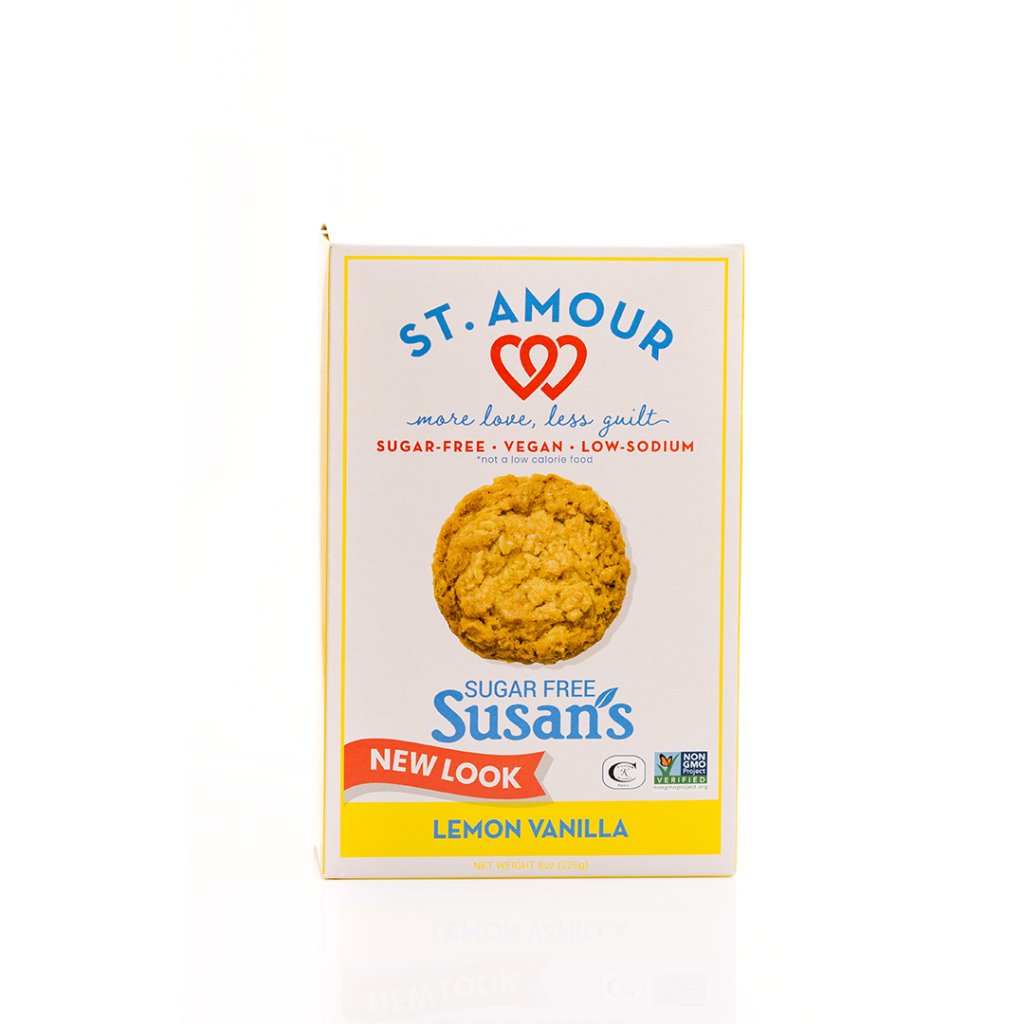
Customers can also seek guidance from Healthy Options store teams when comparing products. Staff can help shoppers navigate nutritional information and explore options based on their dietary preferences and needs.
“There isn’t one definition of healthy because every person’s journey is different,” added Sia. “Our goal is to give customers the information, transparency, and product choices they need to make choices that work for their lifestyle. When people understand what’s on the label, they’re better equipped to choose foods that support their long-term wellness.”
As conversations around GLP-1 therapies continue, they are also contributing to broader discussions about nutrition and intentional eating. Whether or not someone takes GLP-1 medication, understanding food labels and knowing what goes into everyday grocery choices can help consumers make decisions that align with their individual dietary goals and lifestyle.
