


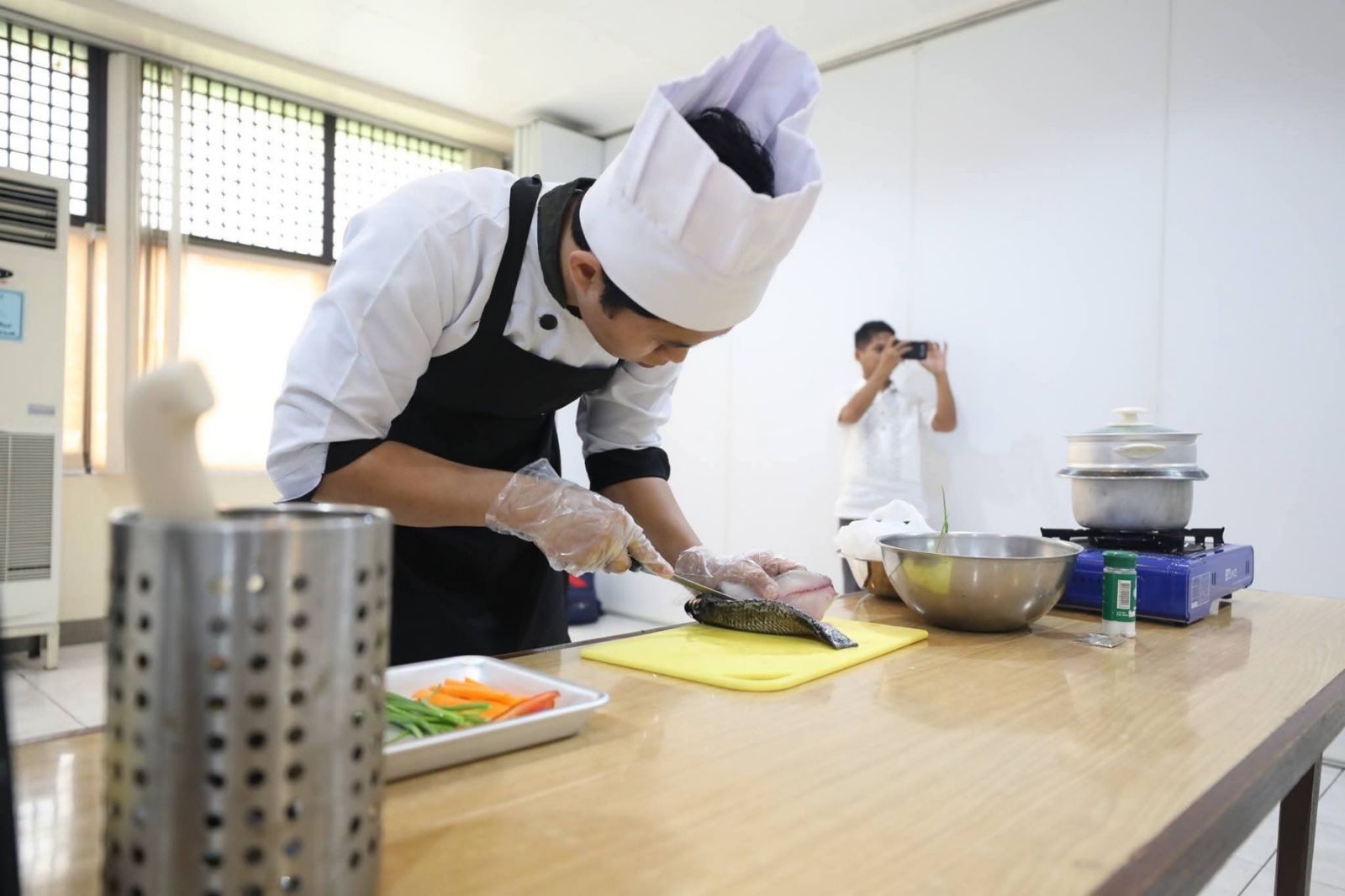
The Department of Education (DepEd) has secured 47,439 work immersion slots from private sector partners, reaching 94.9% of its 50,000-slot target for Senior High School (SHS) learners following the nationwide rollout of the 2026 National Work Immersion Fair.
The industry commitments cover 1,565 distinct job roles across sectors such as accommodation and food services, education, agriculture, forestry and fisheries, and administrative support services. The initiative aims to give learners practical workplace experience while strengthening their preparation for employment and other post-SHS pathways.
Carrying the theme “Bridging Aspirations and Opportunity: Strengthening Industry-School Partnership,” the nationwide initiative supports the objectives of Republic Act No. 10533, or the Enhanced Basic Education Act of 2013, by connecting basic education with evolving workplace requirements. It also supports the administration’s push for clearer and more work-ready pathways for Filipino learners.
“We are following the directive of President Bongbong Marcos to ensure our graduates enter the workforce with real competence and practical experience,” Education Secretary Sonny Angara said.
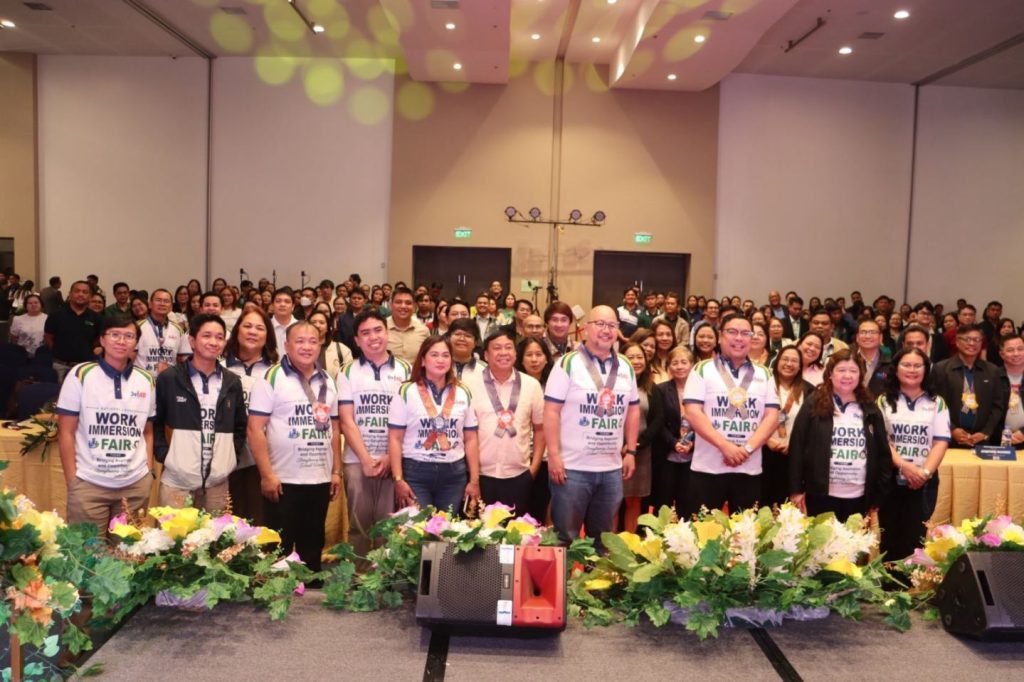
“By working closely with our private sector partners to foster innovation and global competitiveness, we are ensuring that every immersion experience is safe, aligned with industry standards, and directly leads to higher employability for our youth,” Angara added.
The nationwide initiative began with a national launch on September 11, hosted by Tapinac Senior High School at the SMX Olongapo City Convention Center in Zambales. This was followed by synchronized regional fairs on September 18, which were held alongside the nationwide observance of Department of Trade and Industry (DTI) Week to help schools strengthen partnerships with local businesses and industries.
DepEd has also activated the National Work Immersion Pledging Dashboard to monitor industry participation and track commitments in real time. Under the Strengthened Senior High School curriculum, which is streamlined into Academic and Technical-Professional (TechPro) tracks, the revamped framework provides structured work immersion options. TechPro learners complete 320 hours in one term or up to 540 to 640 hours across two terms, while Academic track learners may choose a 320-hour immersion, an 80- to 160-hour arts apprenticeship, or an 80-hour field exposure.
The updated framework also includes measures to protect learner welfare. Work immersion schedules are limited to a maximum of eight hours per day and 40 hours per week under flexible five-day arrangements. Partner companies undergo industry mapping and inspection and must have valid business permits and registrations while complying with the DepEd Child Protection Policy. Teachers will also conduct weekly Kumustahan mentoring sessions to monitor learners’ physical and emotional well-being, check compliance with training plans, and address workplace concerns.
Learner performance will be assessed through an 80% industry mentor evaluation covering technical skills, soft skills and work habits, and a 20% school-based evaluation. The framework also supports learners pursuing National Certification (NC) qualifications from the Technical Education and Skills Development Authority (TESDA) alongside their SHS diploma.
