


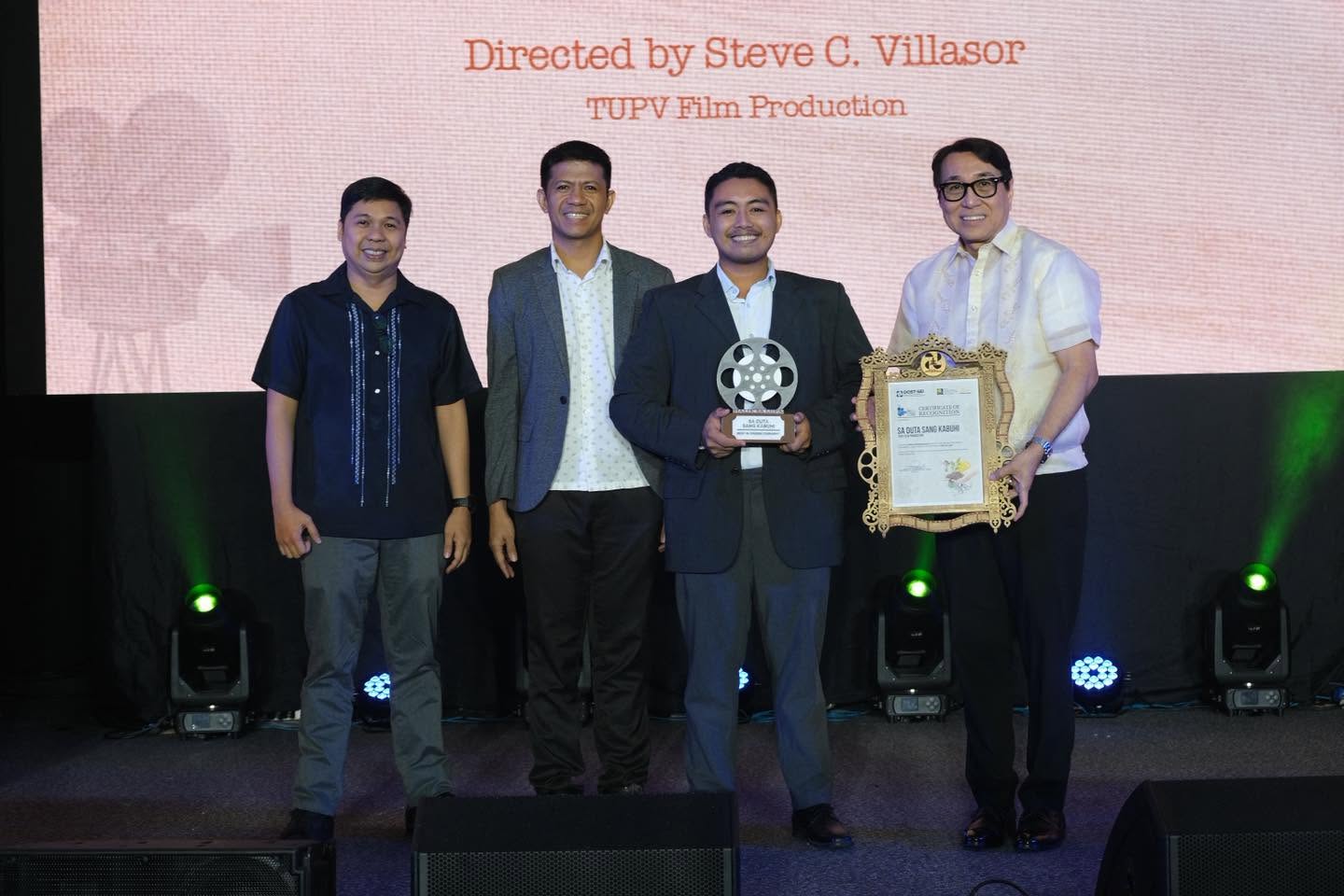
A student-made documentary from Negros Occidental is bringing local stories of agriculture, science, and environmental sustainability to a wider audience after earning a spot at the 6th Oroquieta Film Festival.
Sa Duta sang Kabuhi (In the Soil of Life), produced by 23 students from the Technological University of the Philippines Visayas (TUPV), explores the connection between traditional farming knowledge and modern scientific approaches to protecting soil health and rural livelihoods. The documentary features insights from agricultural scientists, farmers, and community leaders.
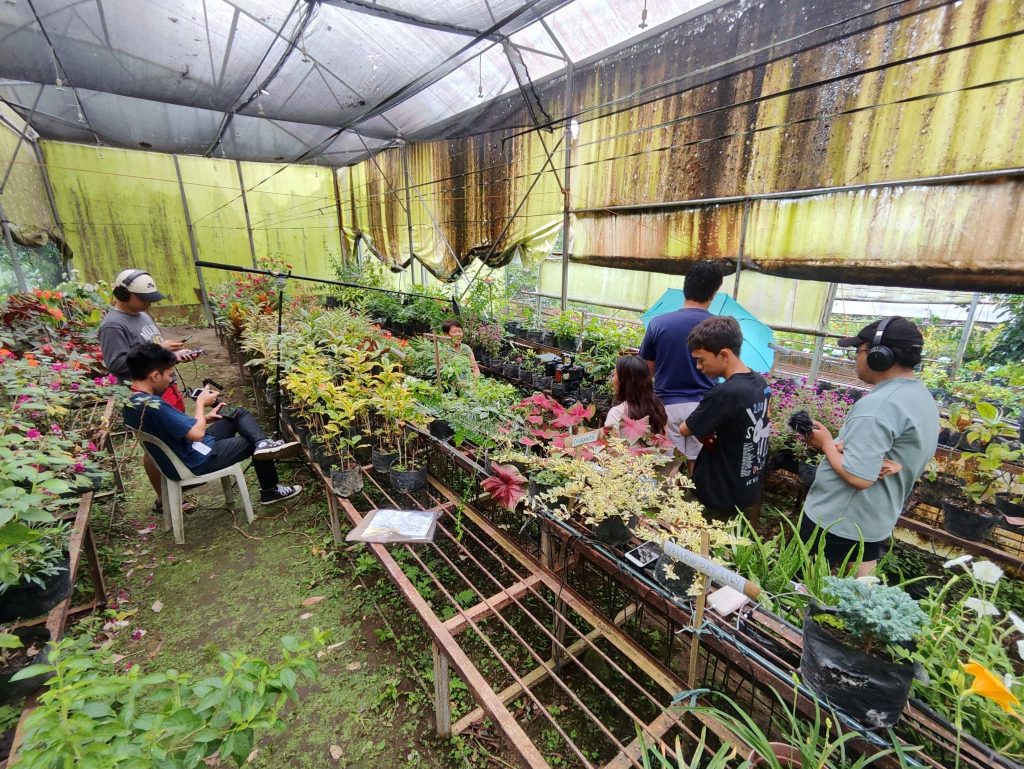
The film is directed by Steve Villasor, a fourth-year electrical engineering graduate of TUPV whose filmmaking journey began in 2019 as a production assistant. He later developed his skills in cinematography, editing, and sound design, working as a sound recordist on regional films including Walo-Walo, Pagcanugcug Ni Canlaon, Mananguete, and Taga-Taga.
Villasor’s work often focuses on social realities, family, and community resilience. His directorial debut, Kakanin (Tam-is Ukon Parat?), won Best Short Film at CineTUPV 2025, while Sa Duta sang Kabuhi reflects his approach of combining technical filmmaking with stories that amplify local voices.
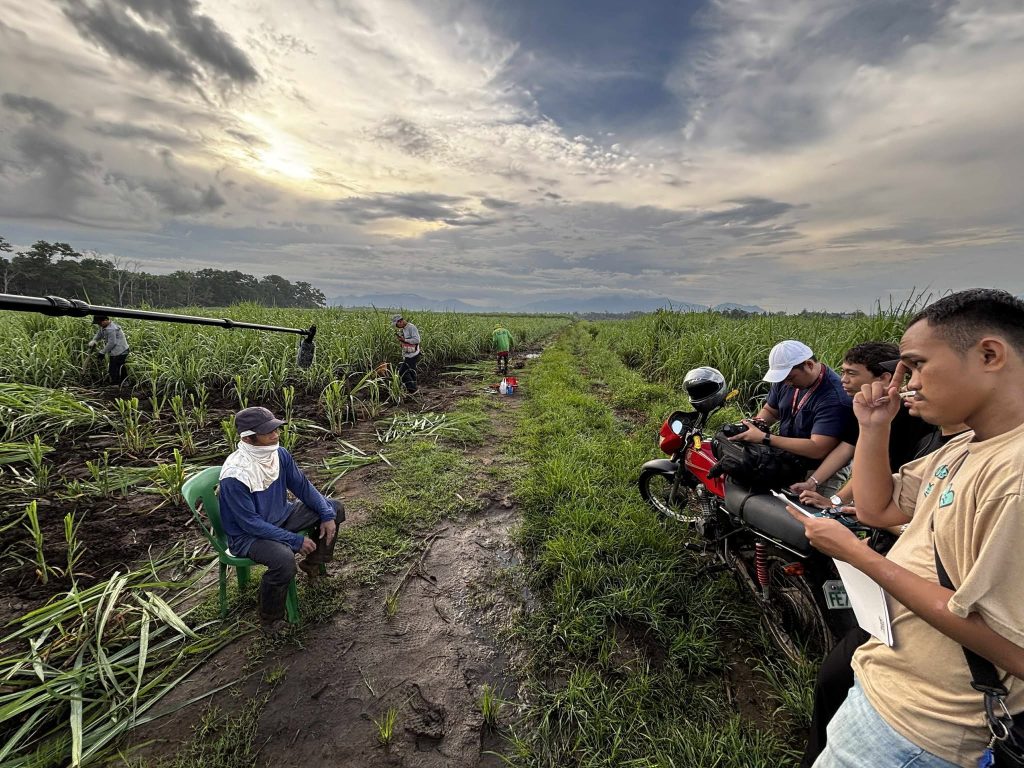
The documentary previously made its mark at the 9th Indie-Siyensya Film Festival, where it was named one of the Top 5 finalists out of 120 entries nationwide and won Best Cinematography. The film was created under the guidance of adviser Shallel Billones and examines the ecological condition of Negros Island.
Organized by the Department of Science and Technology–Science Education Institute (DOST-SEI), the Indie-Siyensya Film Festival promotes filmmaking as a tool for communicating science, environmental issues, and potential solutions to wider audiences. Sa Duta sang Kabuhi now continues its festival journey at the 6th Oroquieta Film Festival, scheduled for October 12 to 15 in Misamis Occidental.
Competing in the festival’s Lumayagan Shorts Competition, the film represents Talisay City and Negros Occidental alongside fellow Negrense entries Manami Guid Man Mag **** sa Mansion and Those Little Things. Its inclusion further highlights how student filmmakers are using cinema to spark conversations about agriculture, environmental protection, and the communities that depend on the land.
