


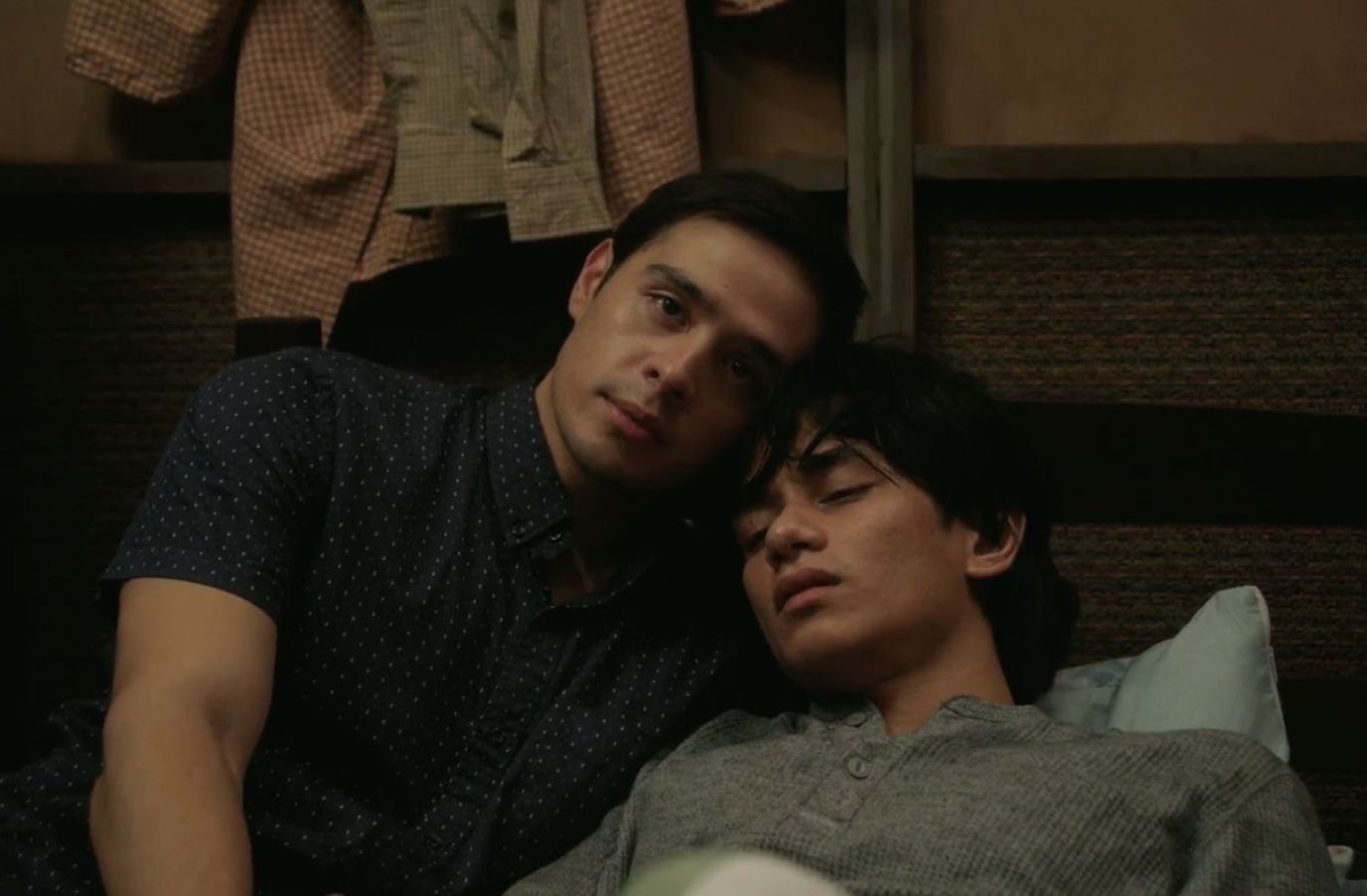
Tayo Lang Nakakaalam is a whispered prayer for acceptance. David R. Corpuz’s film speaks to everyone who has ever felt compelled to explain who they are, who they love, or how they choose to grieve. It opens with a question that quietly lingers until the final frame: How do we mourn when the way we want to grieve is constantly interrupted by society’s judgment? Through its intimate storytelling, the film reveals that grief is never just about loss. For some, it also becomes a daily struggle for dignity, recognition, and the freedom to exist without explanation.
Corpuz approaches the story with remarkable restraint, allowing silence and stillness to carry as much emotional weight as dialogue. The film understands that grief is rarely loud. It lives in unfinished conversations, lingering memories, and the quiet moments when people must continue living despite an absence that never truly disappears. By refusing melodrama, Tayo Lang Nakakaalam creates a deeply personal experience that invites viewers not just to witness grief, but to live through it alongside its characters.

The emotional power of the film rests on its outstanding ensemble. Martin del Rosario delivers one of his most nuanced performances, portraying vulnerability with remarkable honesty. Yayo Aguila becomes the film’s emotional heartbeat, understanding that grief is not always expressed through tears or raised voices. She delivers immense emotional pain through quiet restraint, allowing silence, lingering gazes, and unanswered questions to speak louder than words. Epy Quizon brings understated sincerity to every scene, while Miguel Odron gives a heartfelt performance filled with tenderness and quiet resilience. Together, they embody love, hope, denial, anger, grief, and acceptance with such authenticity that every silence, glance, and shared moment feels deeply lived-in.

What makes Tayo Lang Nakakaalam beautiful, is its understanding that acceptance is not a destination but an ongoing struggle. The film recognizes that there are people whose grief is questioned simply because society refuses to acknowledge the legitimacy of their love or identity. Rather than asking for sympathy, it asks for empathy. It reminds us that no one should have to seek permission to mourn, to love, or to be seen for who they truly are.
More than a story about loss, Tayo Lang Nakakaalam is a moving reflection on love, identity, and the quiet courage it takes to keep choosing yourself in a world that often demands explanations. It reminds us that healing does not always come from being understood by everyone. Sometimes, it comes from finding even one person who accepts your truth without question. In its quiet humanity and emotional honesty, the film becomes a moving testament to the enduring need for acceptance, compassion, and the freedom to grieve without fear.
