


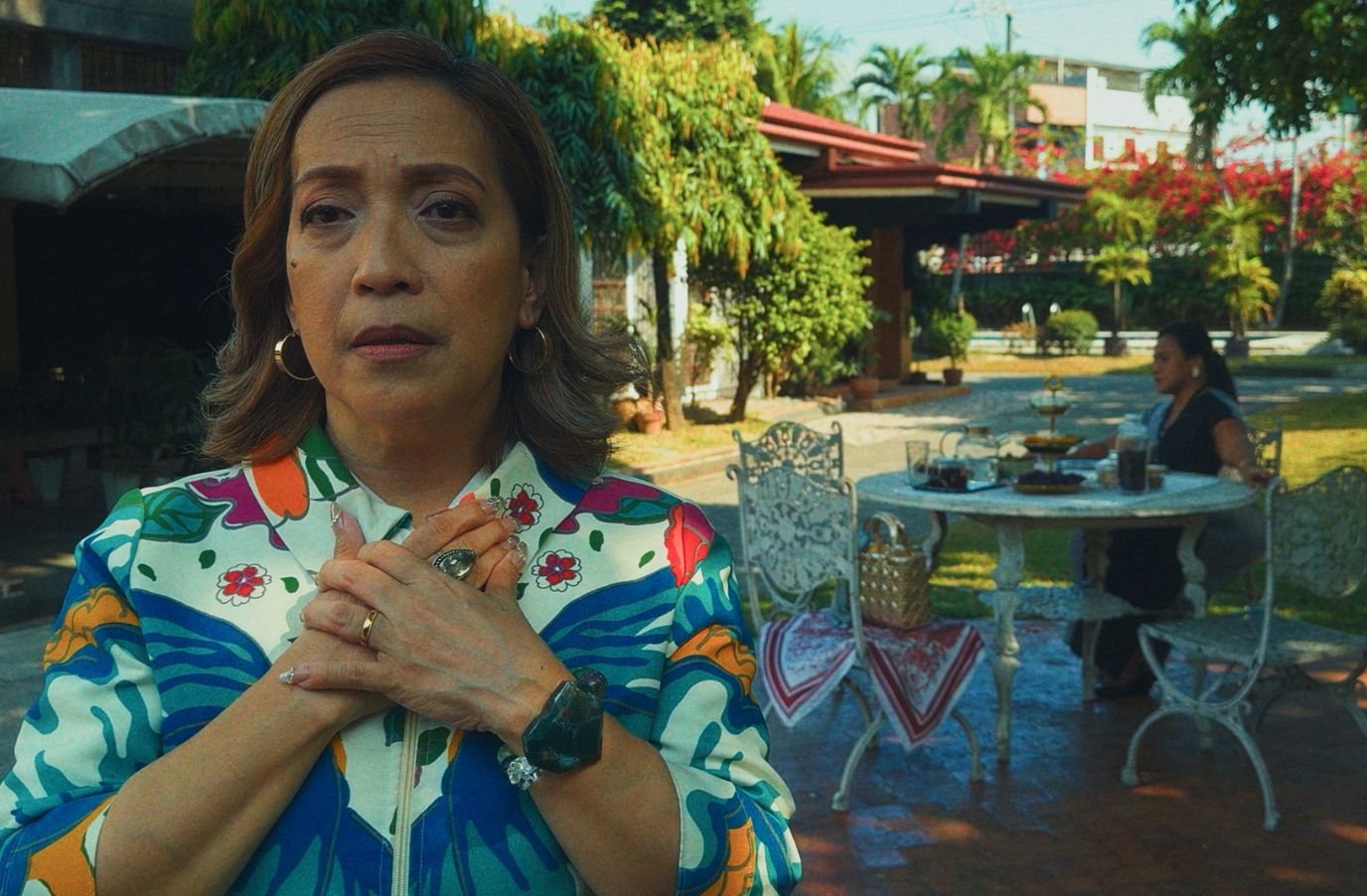
Not all beasts have four legs. Some wear expensive clothes, deliver polished speeches, smile for the cameras, and ask for our votes. Dustin Celestino’s A.ni.mal takes this idea and turns it into a chaotic, biting, and often hilarious satire about power, politics, and the people who know exactly how to perform for the public. The film does not simply present political absurdity as something to laugh at. It holds up a mirror to the kind of political theater Filipinos have become painfully familiar with, where drama, clout, family names, and carefully crafted personas can matter more than the people being served.
The film’s ferality is powered by a fantastic ensemble that understands exactly how much emotion and madness the material demands. Maxine Ignacio, Frances Makil-Ignacio, Jojit Lorenzo, Bituin Escalante, Reymund Domingo, and Anthony Falcon bring distinct energies to a story that thrives on chaos. The characters clash, manipulate, perform, and unravel with an unpredictability that keeps the film engaging. The ensemble knows when to push the performances to match the film’s chaos without losing the satire’s sharpness. Together, they give A.ni.mal its energy, turning political absurdity into something loud, uncomfortable, and entertaining.

Maxine’s Lily perfectly embodies the spoiled future traditional politician who seems to believe the world should naturally bend around her. Her conversations with Anthony’s Doc John are some of the film’s most entertaining exchanges, filled with nonsense, entitlement, and the kind of self-importance that feels painfully familiar. Doc John’s frustration, meanwhile, becomes a vessel for the audience’s own exhaustion with politicians and the endless confusion they create. Frances’s Ofel is equally compelling as a self-serving and condescending politician willing to do almost anything for fame. We may have seen glimpses of what Frances could do with the character before, but seeing Ofel in full makes it clear why she is such a perfect fit for the role.
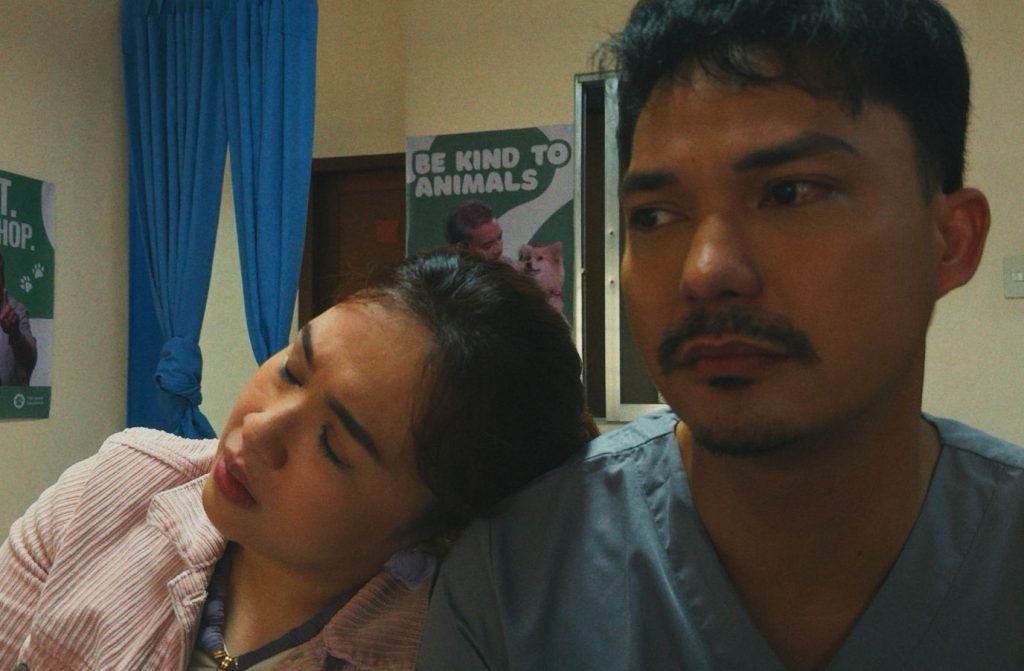 And then there is Bituin as Grace, who does more than simply give justice to the character. She adds an extra layer of spice and unpredictability that makes Grace impossible to ignore. Her performance plays beautifully against the expectations attached to her name. This is not simply a “saving Grace.” It is a character who can fall from grace, rise, shift moods, and change the temperature of a scene almost instantly.
Beyond its breathtaking chaos, A.ni.mal deserves particular praise for the work behind the camera. The editing and cinematography are crucial to the film’s experience, especially in the way conversations and monologues are constructed. The shots and cuts do not simply show us what is happening; they pull us into the middle of it. We do not merely watch the characters argue, manipulate, and perform. We feel as though we are sitting in the room with them, listening to every excuse, every absurd justification, and every carefully chosen word. That visual rhythm makes the chaos feel immediate and almost participatory.
The film gives us a satire we can really sink our teeth into, turning painful political truths into dark laughter. We laugh because the situations are absurd, but the laughter becomes uncomfortable when we realize how familiar they are. Politicians use drama, fame, and clout to keep the attention of the public, the public reacts, the spectacle moves on, and then the cycle begins again. In that sense, the film’s beasts are not the ones we expect to find in the wild. They are the ones we have learned to elect.
