


SM Investments Corporation, the parent company of the SM Group, remains on course to reduce its greenhouse gas emissions by 40% by 2040, backed by sustained investments in renewable energy, energy efficiency, and sustainability initiatives across its businesses.
Speaking at the recent MUFG NOW Manila forum, Pathways to a Sustainable Future: Opportunities and Challenges, Timothy Daniels, Consultant and Head of Sustainability and Investor Relations at SM Investments, said the company’s climate target is anchored on long-term investments that improve operational efficiency while accelerating the shift to clean energy.
“When we looked at our emissions, we identified where we could make meaningful reductions and developed a target supported by specific programs and investments. We wanted a goal that reflects what we can achieve based on actions we are taking today,” Daniels said.
He added that sustainability has become an integral part of SM’s business strategy.
“For us, sustainability helps reduce costs, improve reliability, and make our operations more resilient. It’s simply part of how we run the business,” he said.
Across the SM Group, more than 200,000 solar panels have been installed on company properties, helping generate renewable electricity while reducing dependence on the power grid.
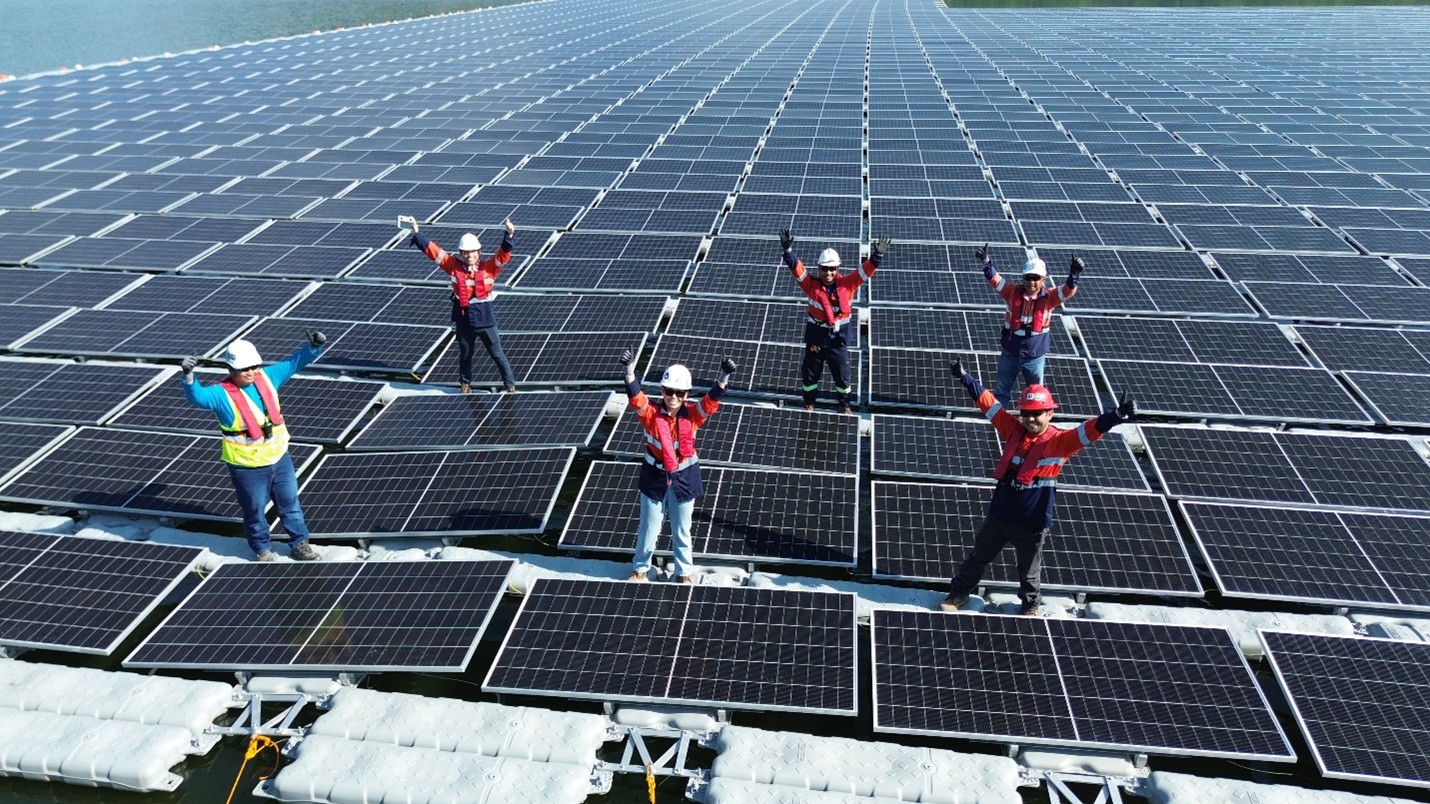
Its mining subsidiary, Carmen Copper Corporation, also operates a three-hectare floating solar facility at the Malubog Reservoir in Cebu. Equipped with 8,540 solar panels, the facility generates 4.99 megawatts (MW) of renewable energy, enough to potentially supply around 10% of the mine’s electricity requirements.
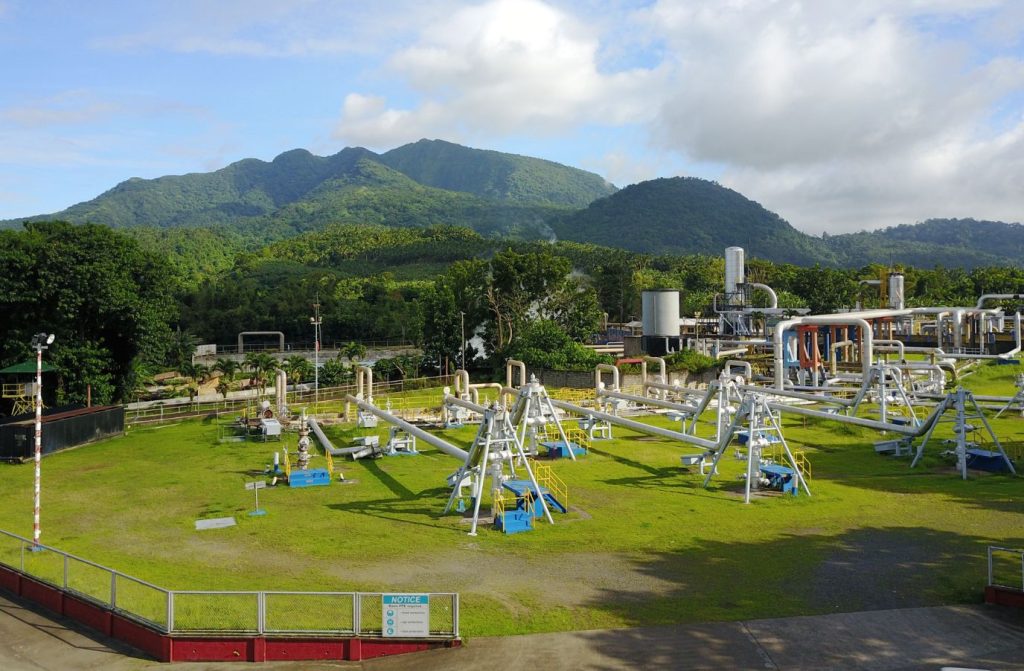
The company has further strengthened its renewable energy portfolio through Philippine Geothermal Production Company (PGPC), which develops and operates geothermal steam fields in South Luzon.
SM is likewise supporting the country’s clean energy transition through BDO Unibank, which has deployed approximately ₱1.2 trillion in sustainable financing. The funding includes support for 71 renewable energy projects with a combined installed capacity of 6,165 MW.
Daniels noted that while companies can reduce emissions through energy efficiency measures, onsite solar installations, and renewable power procurement, achieving deeper decarbonization will require continued expansion of the country’s renewable energy supply, transmission infrastructure, and power grid.
“Our progress is tied not only to what we can do within our own operations but also to how quickly the broader energy ecosystem evolves,” Daniels said, emphasizing the importance of collaboration in advancing the country’s transition to a low-carbon future.
