


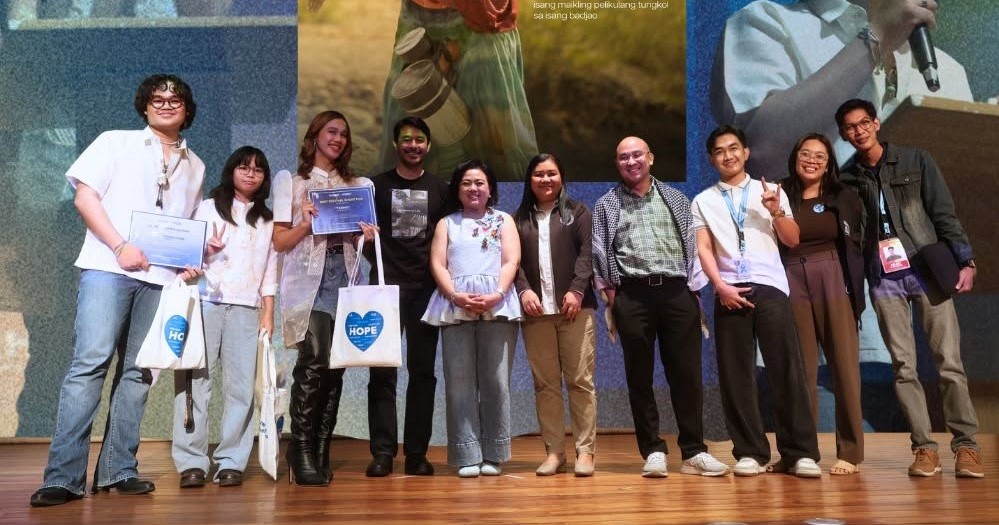
The United Nations High Commissioner for Refugees Philippines celebrated World Refugee Day by hosting the 4th Refugee Film Festival at the Natividad Fajardo-Rosario Gonzalez Auditorium of De La Salle University Manila last June 20.
The film festival aimed to foster global awareness, build empathy, and mobilize meaningful action on behalf of the world’s 123 million forcibly displaced individuals.
Guided by this year’s theme, “Solutions in Motion: Rebuilding Futures Together,” the featured selections shifted the spotlight away from hardship alone, emphasizing instead the courage, solidarity, and agency of displaced communities as they reconstruct their lives.
A major highlight of the festival was the Short Film Competition, which challenged Filipino filmmakers aged 18 to 25 years old to create three-to-seven-minute films addressing displacement and hope.
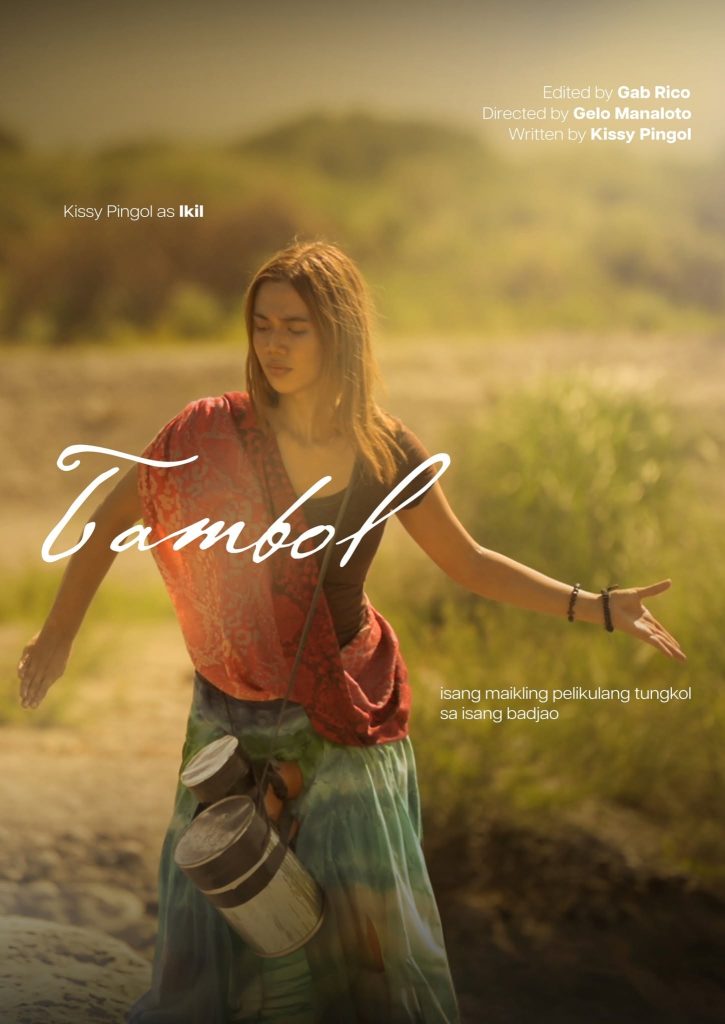
The festival’s highest recognition went to “Tambol,” a film produced by TR3S Productions consisting of students Kharl Angelo Manaloto (College of Public Administration and Governance), Kissy Pingol (College of Arts and Social Sciences, and Angel Gabrielle Rico (College of Computer Studies) from Tarlac State University.
The film centers on Ikil, a 19-year-old Badjao youth navigating forced displacement, systemic discrimination, and urban isolation.
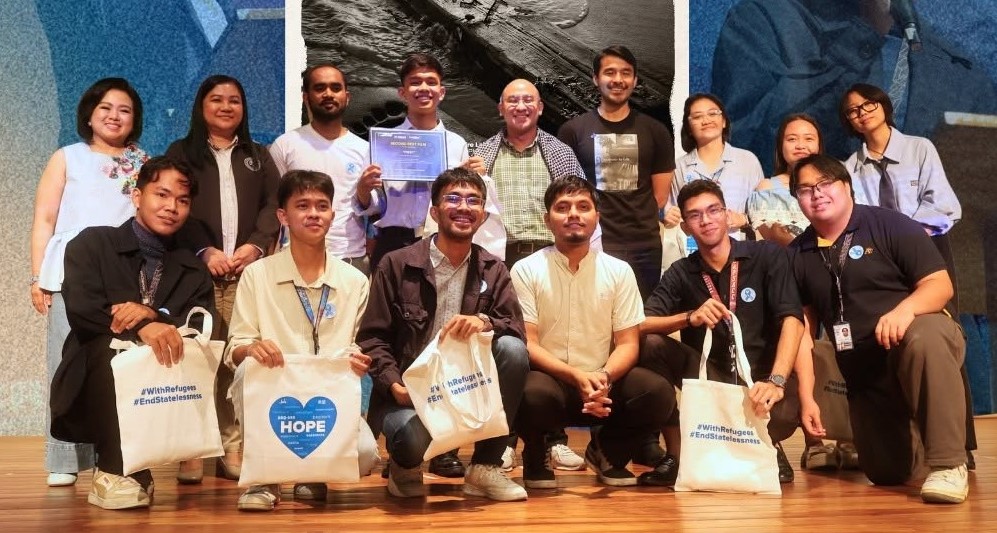
Meanwhile, “First” from Columban College, Inc. won second prize. The film was made possible through a collaboration among Dokumentaryo ni Apo (Dok Apo) from the Bachelor of Science in Architecture program, Junior Social Workers’ Association of the Philippines from the BS Social Work program, and Rohingya Youth United-PH.
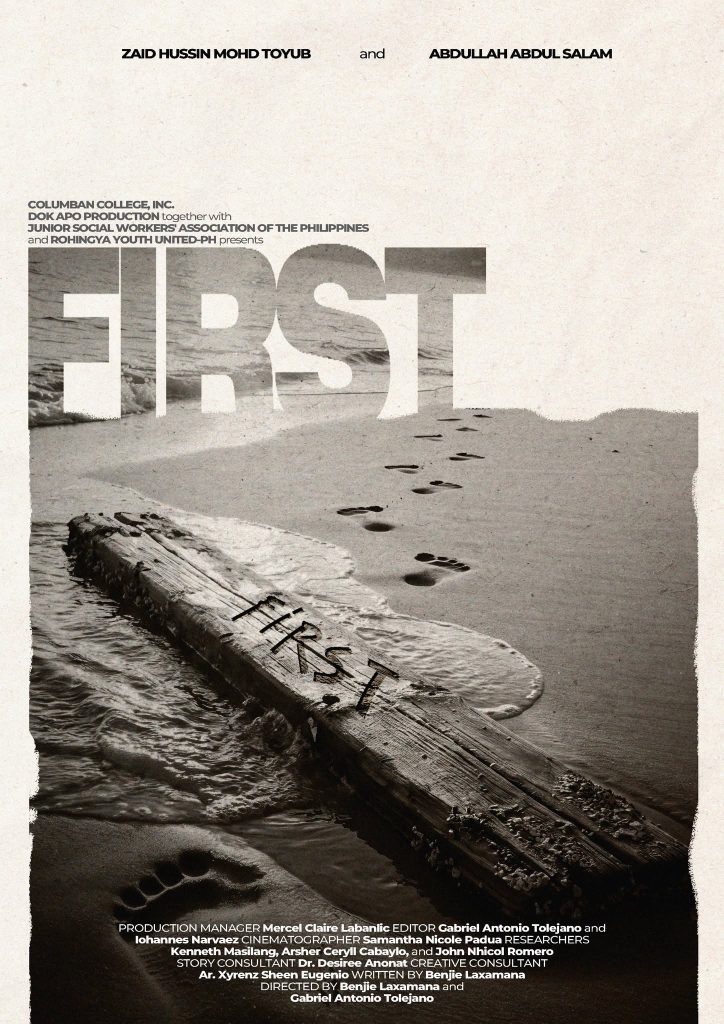
The film tracks the journey of Zaid M. Toyub and Abdullah Abdul Salam, the very first Rohingya refugee scholars to graduate from higher education in the Philippines via the Complementary Pathways Program.
The documentary serves as a moving tribute to the resilience of the scholars and honors the school for being a pioneering educational institution to open its doors to refugee youth.
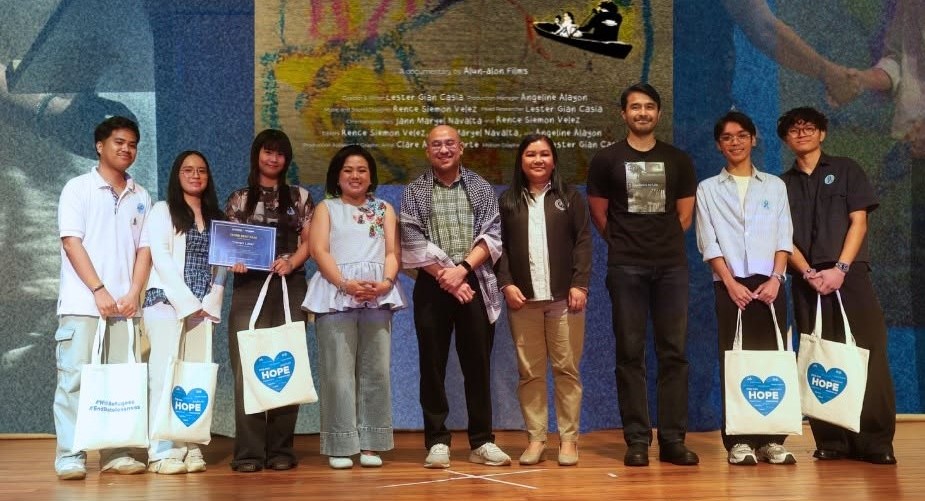
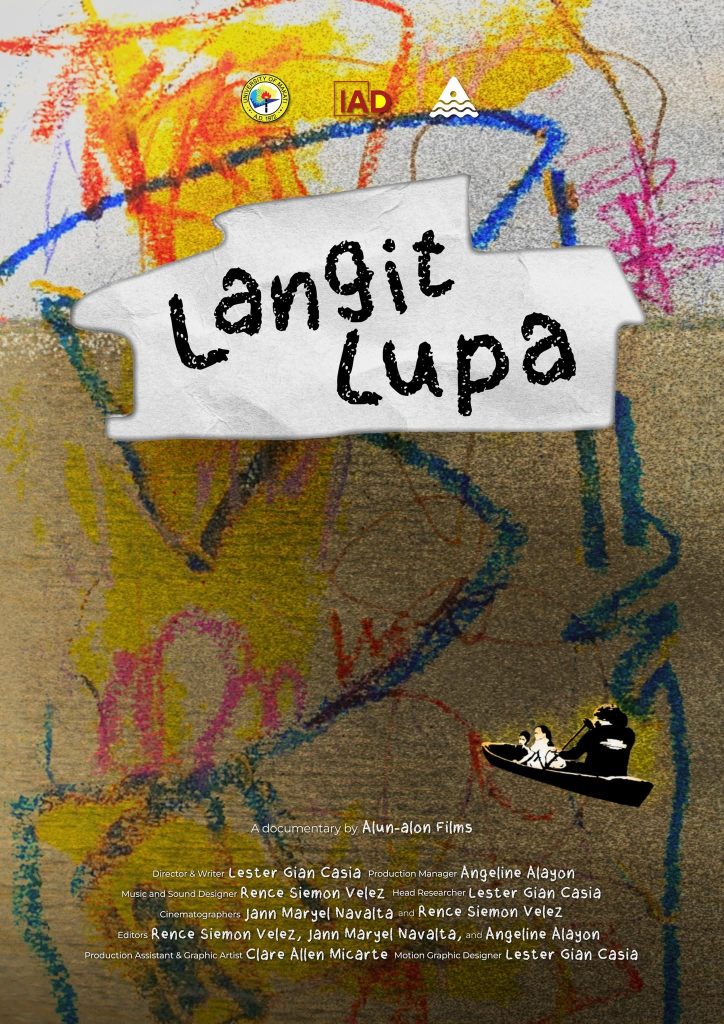
“Langit Lupa,” a thesis film by University of Makati Multimedia Arts students, secured third place.
Directed by Lester Casia, the narrative follows Princess and her father Larry from the flood-prone community of San Gabriel in Macabebe, Pampanga. By capturing their daily struggle against rising waters to attend school, the film highlights the environmental and social impacts of chronic inundation alongside the fierce dedication of local educators.
Casia got ample support from Angeline Alayon, JM Navalta, Clia Micarte, and Rence Velez. Atty. Eduard M. Riparip served as their thesis film adviser.
The entries were evaluated by UNHCR National Goodwill Ambassador and award-winning broadcast journalist Atom Araullo, DLSU lecturer, news anchor, and correspondent Gerg Cahiles, State Counsel Rosalie Robles-Cumla, Manunuri ng Pelikulang Pilipino and University of the Philippines Los Baños Assoc. Prof. Dr. Laurence Marvin Castillo, and UNHCR Philippines Head of National Office Maria Ermina Valdeavilla-Gallardo.
The festival also featured a powerful lineup of international films and documentaries capturing intimate, post-migration realities across the globe such as “Another Place,” “Rosemary’s Way,” and “The Circle of Our Daughters.”
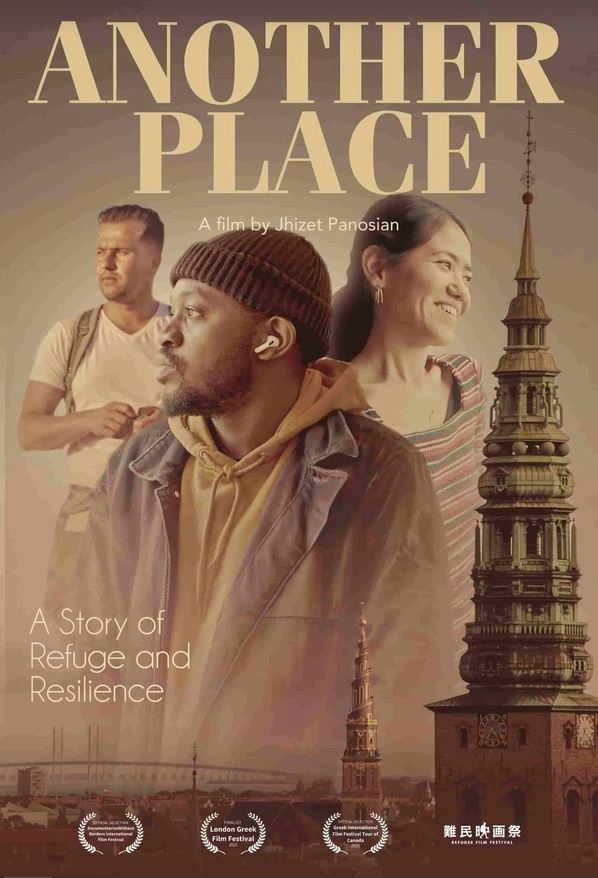
“Another Place” steps past dangerous border crossings to explore the deeply personal aftermath of migration. The narrative weaves together the Iranian-born filmmaker Jhizet Panosian’s own journey of fleeing to the United States with the lived experiences of three individuals rebuilding their lives in Denmark, Germany, and Belgium following the 2015 migration crisis.
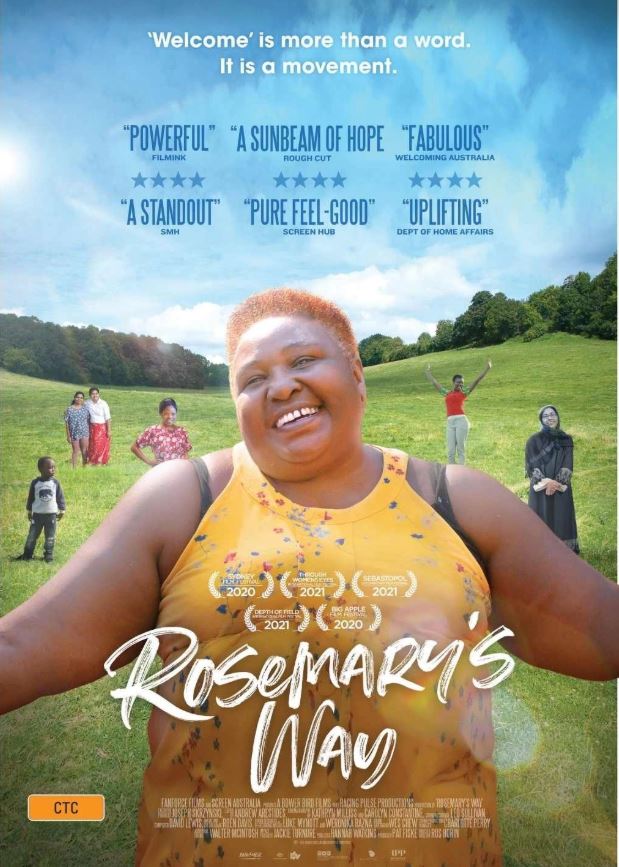
On the other hand, “Rosemary’s Way” follows the charismatic Rosemary Kariuki on her unorthodox, laughter-fueled mission to empower migrant women in Australia, drawing them out of cultural isolation and introducing them to wider society.
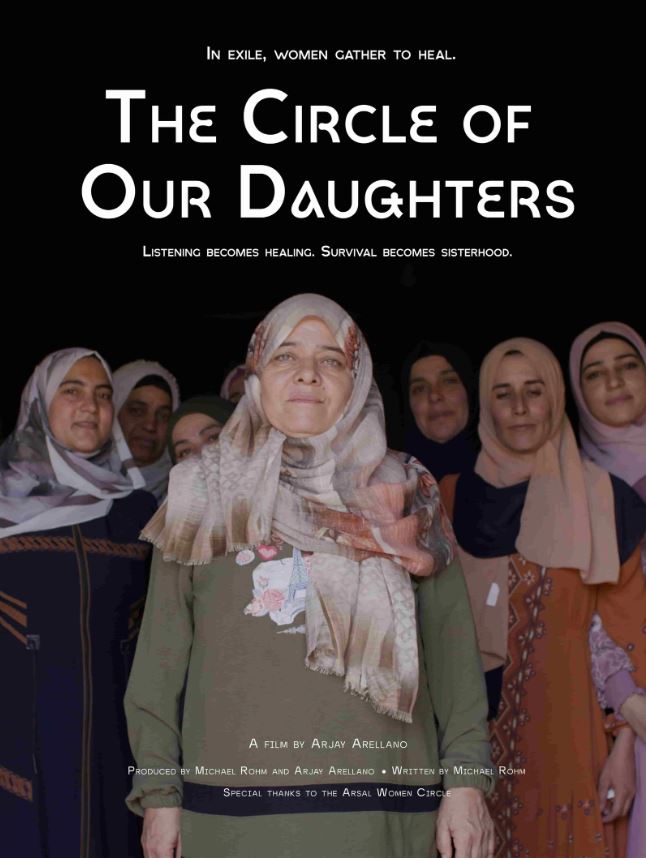
Set in Arsal, Lebanon, “The Circle of Our Daughters” follows Syrian widows as they collectively work to rebuild their lives from the rubble of conflict.
Supported by key partners like the Department of Justice-Refugees and Stateless Persons Protection Unit, Pathways Pilipinas, DLSU, and Uniqlo Philippines, the 4th Refugee Film Festival underscored the enduring power of cinema to serve as a catalyst for empathy, legal recognition, and systemic social change.
