


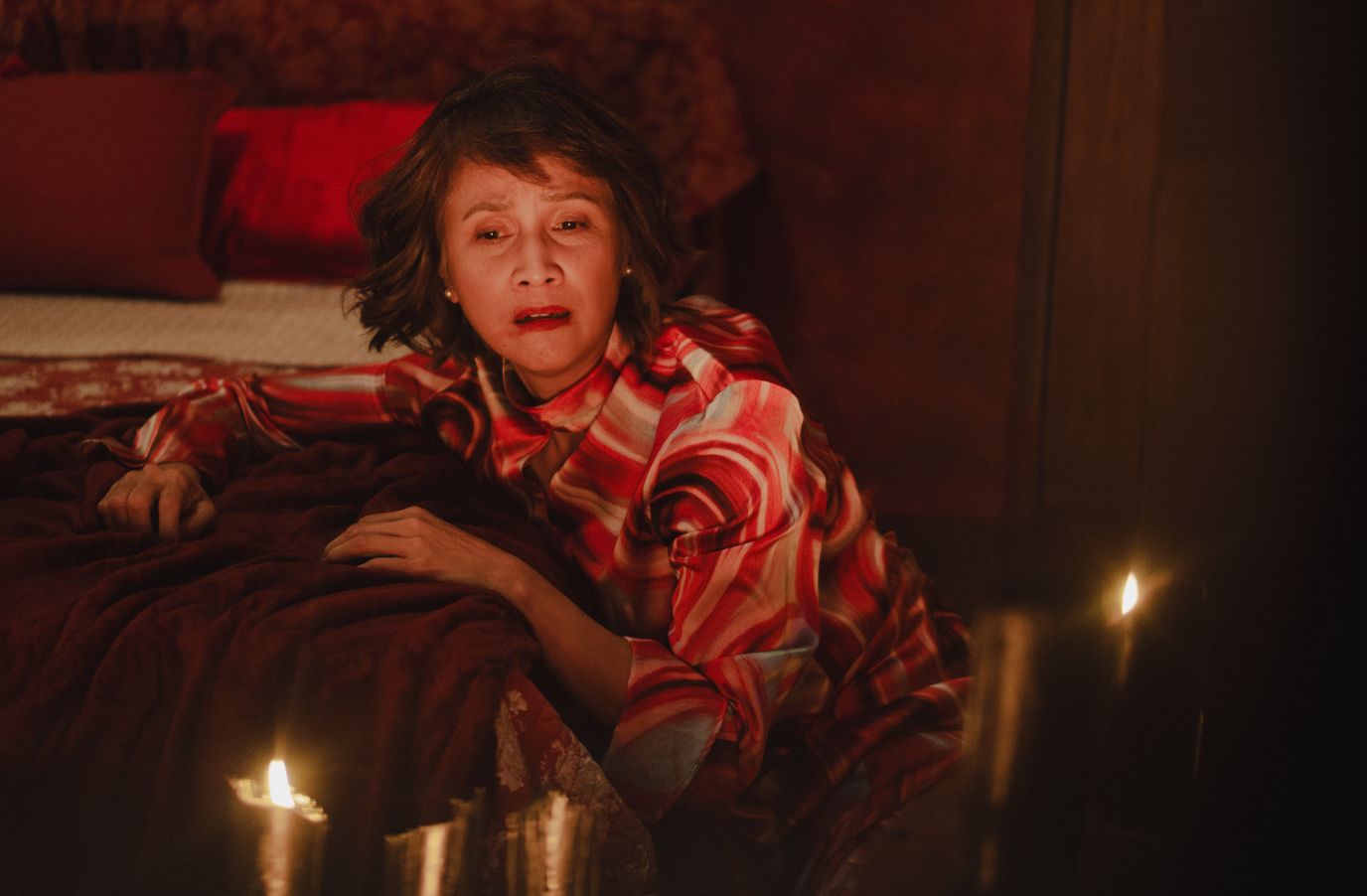
How do we sing our requiem when what we are mourning has not yet died? Mag-Iina, directed by Giancarlo Abrahan and Guelan Varela-Luarca, turns this contradiction into the film’s central tension. Set inside the imposing Abreus mansion, the film gradually opens a box of buried trauma, fractured memories, and poisonous family secrets. What initially feels like a psychological mystery slowly becomes something more unsettling, as the house itself begins to feel like a vessel carrying generations of pain. The filmmakers understand that terror does not always need to announce itself. Sometimes, it simply waits in the silence.
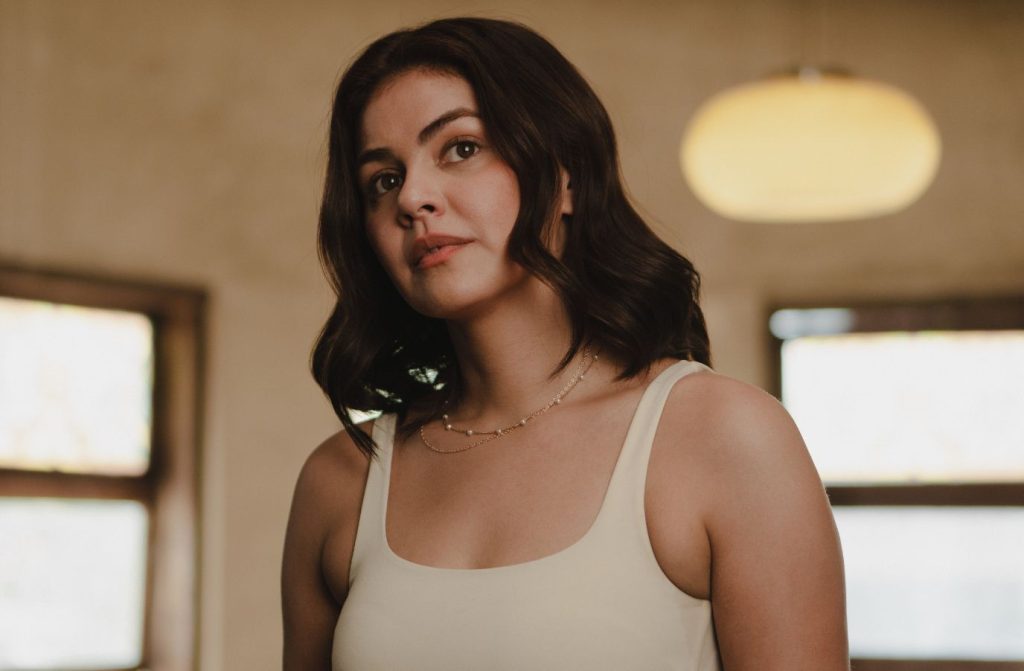
What makes Mag-Iina particularly compelling is how it builds its horror through character rather than spectacle. The film trusts its audience to sit with discomfort and piece together the emotional wreckage alongside its characters. Janine Gutierrez’s Anj becomes our entry point into this darkness, taking us through the unsettling experience of confronting a past she can no longer fully remember. Her performance gives the character a vulnerability that makes every revelation feel personal. Agot Isidro’s Mita, meanwhile, brings another kind of terror, one rooted in a fractured mind and trauma that refuses to remain contained.
The women of the Abreus household form the film’s emotional architecture. Chery Pie Picache carefully peels away the layers of Ysobel, allowing her character to evolve as the story reveals more of what lies beneath the family’s carefully constructed facade. Ness Roque’s Katte functions as a quiet but significant witness, observing the darkness around her while carrying her own place within the family’s silence. Lucas Andallo brings an unnerving intensity to Ynigo, adding another unpredictable force to the household. And then there is Jackie Lou Blanco’s matriarch, whose commanding presence immediately shifts the energy of every scene she enters. She does not need to raise her voice to establish power; her mere presence is enough to make the room feel smaller.
The film’s use of Nicanor Abelardo’s Pahimakas is where Mag-Iina finds its most interesting poetic dimension. A song traditionally associated with farewell becomes something much more disturbing in the context of the film. Its mournful melody does not signal the end of something, but seems to accompany the birth of something terrible. It becomes a requiem performed in anticipation, a song mourning a darkness that has not yet fully revealed itself. In that sense, the music does not simply underscore the horror; it gives the horror a language, allowing fear to move from the psychological into something almost ritualistic.
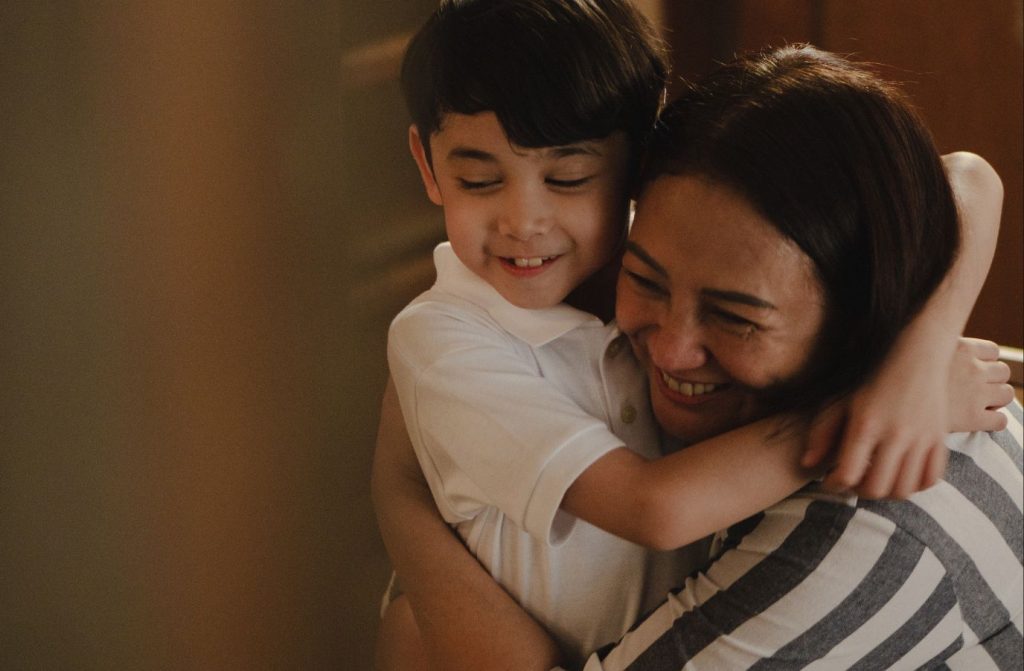
Ultimately, Mag-Iina is less interested in giving us a neat explanation for its darkness than in making us sit inside it. Its terror comes from the recognition that families can bury their deepest wounds so deeply that they eventually become part of the architecture itself. The Abreus mansion is not merely a setting but a repository of everything its inhabitants have refused to confront. And when Pahimakas finally lingers over the film like a final prayer, it becomes clear that this is not a requiem for terror that has passed. It is a requiem for the moment terror is born. Mag-Iina does not leave us with closure, but with a haunting question: what happens when the thing we thought we were mourning is only beginning to awaken?
