


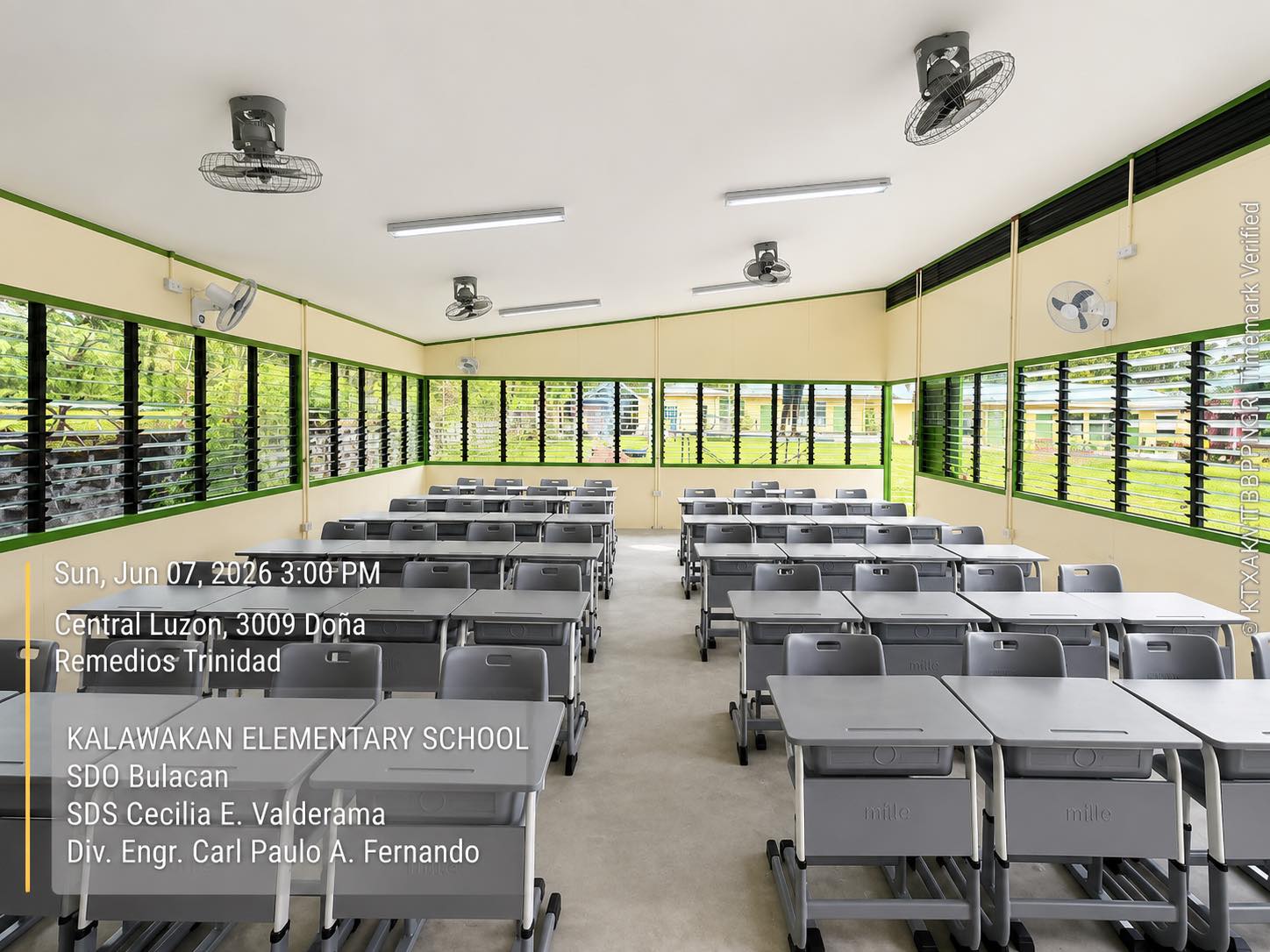
Education Secretary Sonny Angara has accelerated the setup of prefabricated, disaster-resilient classrooms—known as Learning Continuity Spaces (LCS)— to address immediate classroom needs in disaster-affected areas.
The initiative provides a fast and affordable way to solve classroom shortages, ensuring that learners can continue their lessons without interruption.
According to the latest data, a total of 878 LCS units under the program’s first two phases are currently underway. Out of these, 453 classrooms are currently under construction, 391 are in the procurement stage, and 34 are fully completed and ready for use.
Secretary Angara emphasized that these projects are vital stopgaps to address severe classroom shortages over a short period using quality materials.
“Ayon sa utos ni Pangulong Bongbong Marcos, kailangang bilisan natin ang pagpapatayo ng mga ligtas na pasilidad upang matiyak ang tuluy-tuloy na pagkatuto ng ating mga mag-aaral, lalo na sa mga lugar na madalas tamaan ng kalamidad,” Angara said.
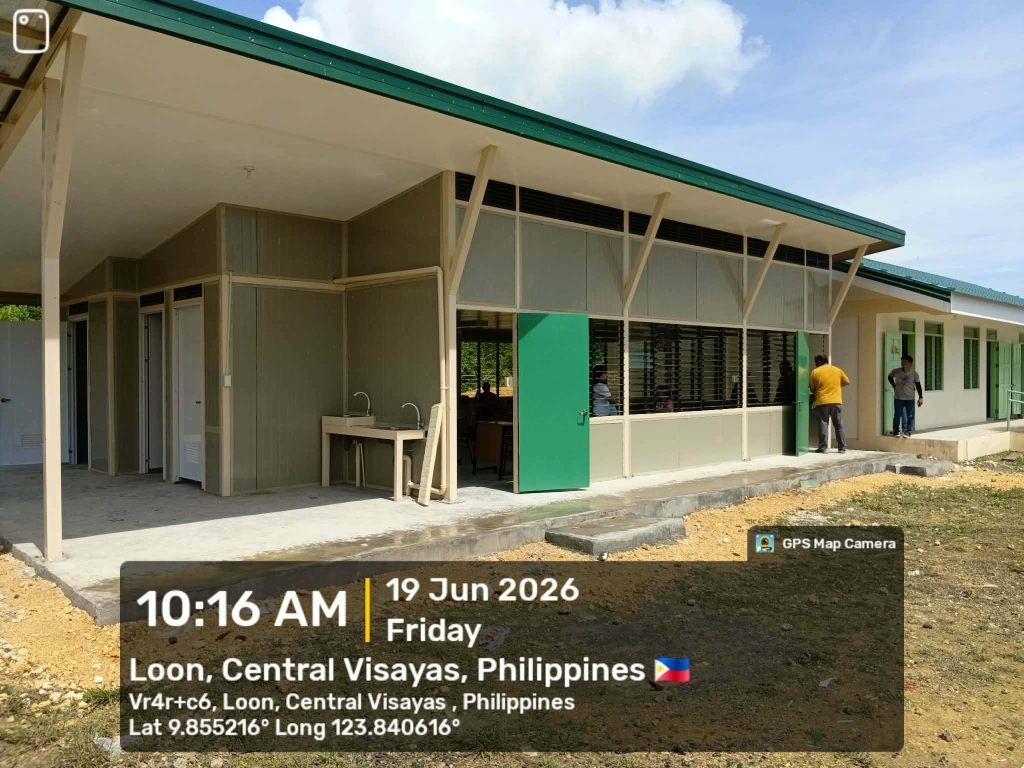
“Sa pamamagitan ng mabilisang pag-rollout ng mga makabagong LCS na ito, mas mabilis nating natutugunan ang kakulangan sa silid-aralan nang ma mataas na kalidad,” he added.
The program is also expanding for the procurement of two five-classroom buildings at Romana C. Acharon Elementary School and H.N. Cahilsot Central Elementary School in General Santos City, with completion targeted within the month.
Furthermore, a separate budget of PHP226.4 million has been set aside to build 109 more ready-to-assemble classrooms across seven regions nationwide.
To help communities recover from recent disasters, the majority of these units—83 out of 109—will be built in the Davao Region (Region XI) to support earthquake-affected schools.
Built for rapid deployment, these semi-permanent, modular classrooms can be fully installed within four to eight weeks. Beyond speed, these structures are engineered to be disaster-resilient—capable of withstanding wind speeds of up to 250 kilometers per hour and meeting Seismic Zone 4 structural standards.
They are also climate-responsive, featuring passive cooling, optimized ventilation, and natural daylighting to ensure a comfortable, child-safe, and fully accessible learning environment.
Depending on local needs, these sturdy structures are being built in flexible layouts, ranging from two-classroom buildings to larger five-room facilities.
