


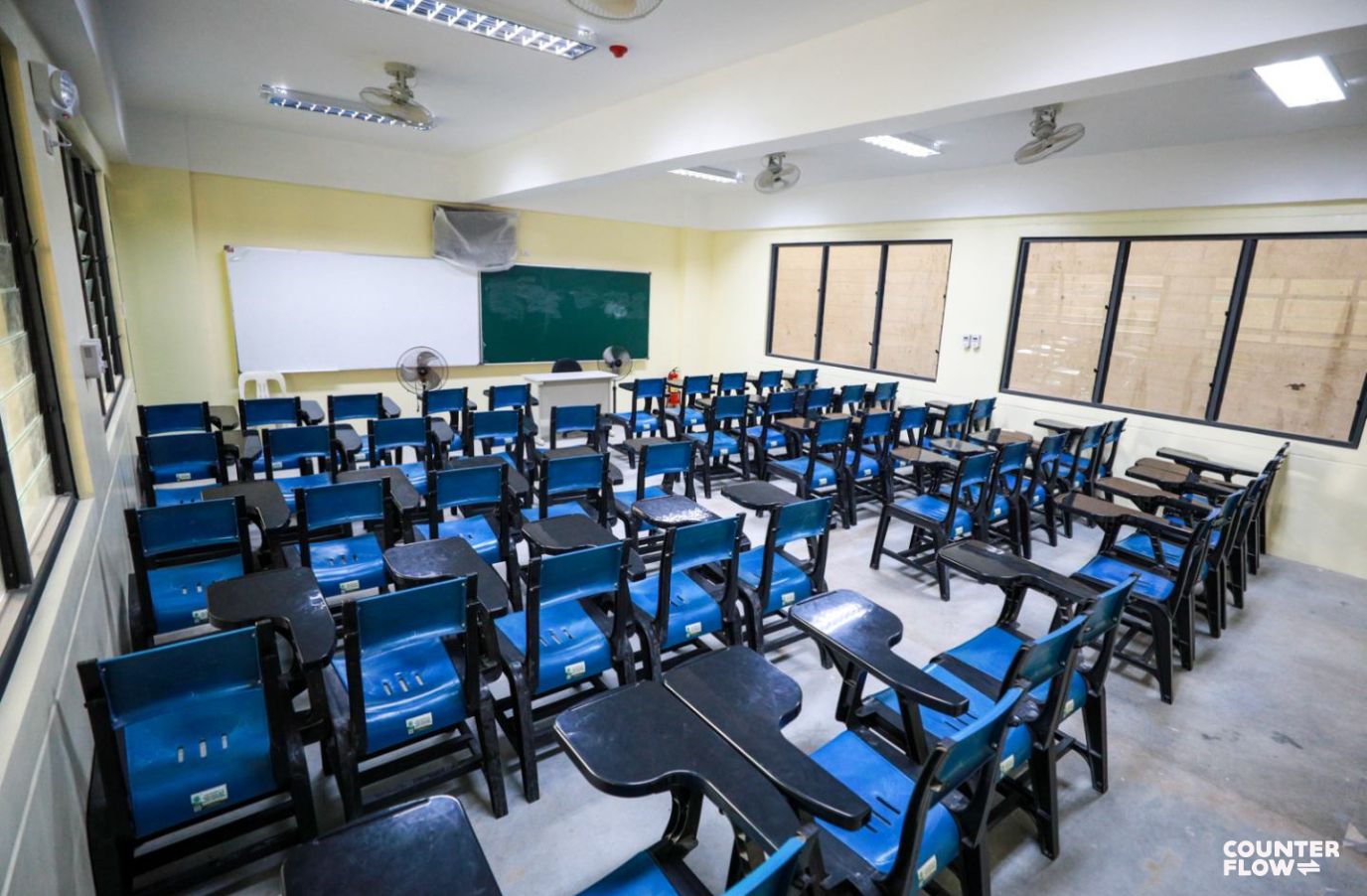
Education Secretary Sonny Angara has reaffirmed the Department of Education’s (DepEd) commitment to equitable classroom distribution, ensuring that infrastructure investments prioritize schools and communities facing the most severe shortages.
Angara emphasized that DepEd is integrating data-driven criteria into its classroom construction strategy following a report from the Second Congressional Commission on Education (EDCOM 2) identifying gaps in the initial 2026 allocations for local government units (LGUs) with the highest estimated classroom needs.
Under DepEd Memorandum No. 038, s. 2026, the Department uses its classroom needs assessment and validated school-site priorities to identify projects for implementation, including through partnerships with qualified LGUs.
“We share the same mission with EDCOM. Through strategic partnerships with qualified LGUs, we ensure that resources go directly to where our schools and learners need them most,” Angara said.
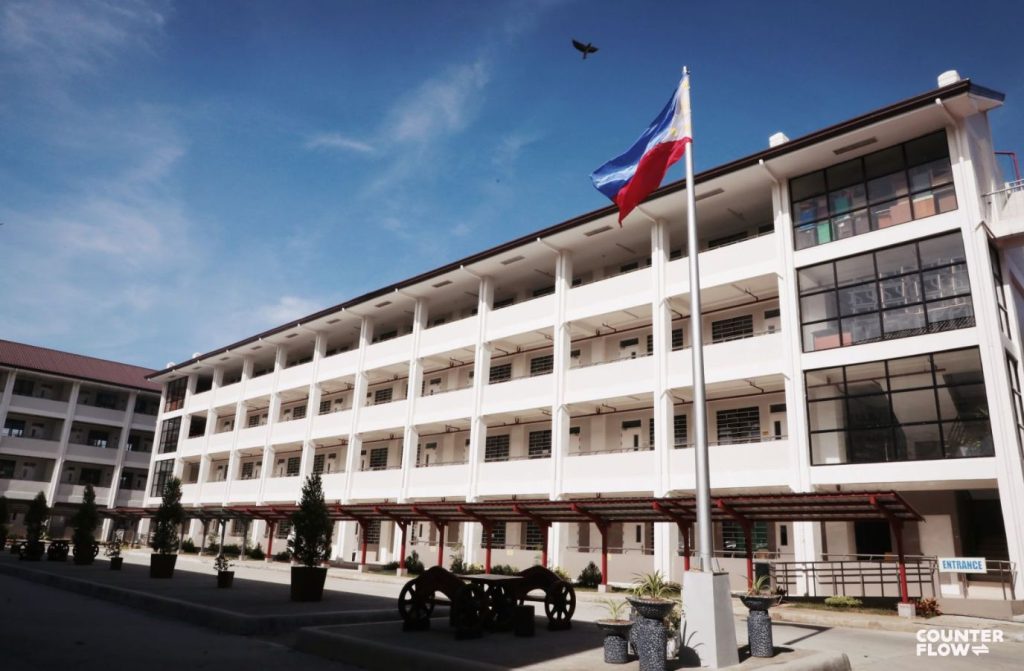
“Ang alokasyon natin para sa mga silid-aralan ay dapat direktang tumutugon sa mga eskwelahang pinakamatindi ang pangangailangan. Kailangan nakabase sa tunay na datos ang ating mga desisyon para bawat pisong inilalaan natin, tunay na nararamdaman sa ating mga paaralan,” he added.
While acknowledging EDCOM 2’s commendation of DepEd’s efforts to mobilize various approaches to classroom construction, the Department stressed that allocation decisions will continue to consider the severity of shortages, site readiness, project feasibility, and implementation timelines.
To accelerate infrastructure delivery, DepEd is pursuing multiple construction and partnership mechanisms, including projects led by the Department of Public Works and Highways (DPWH), LGU partnerships, Public-Private Partnerships (PPPs), DepEd Learning Continuity Spaces (LCS), and collaborative initiatives with government and private sector organizations.
Under its current LGU-led classroom construction initiative, DepEd has allocated projects covering 439 LGUs, 1,955 schools, and 8,777 classrooms nationwide.
The initiative includes 81 provincial LGUs, covering 4,043 classrooms across 1,022 schools; 127 city LGUs, accounting for 3,123 classrooms across 468 schools; and 231 municipal LGUs, covering 1,611 classrooms across 465 schools.
Complementing these efforts, DepEd’s tripartite agreements with the Philippine Amusement and Gaming Corporation (PAGCOR) and 48 LGUs have secured 576 classrooms for construction in priority communities.
To ensure transparency and accountability, the Department conducts regular physical and financial progress reporting, technical validation, and monitoring across schools division offices, regional offices, and the central office.
“To truly deliver for our learners, we need a transparent and evidence-based approach. It is the only way to ensure that available resources are directly translated into classrooms where they are needed the most,” Angara emphasized.
