


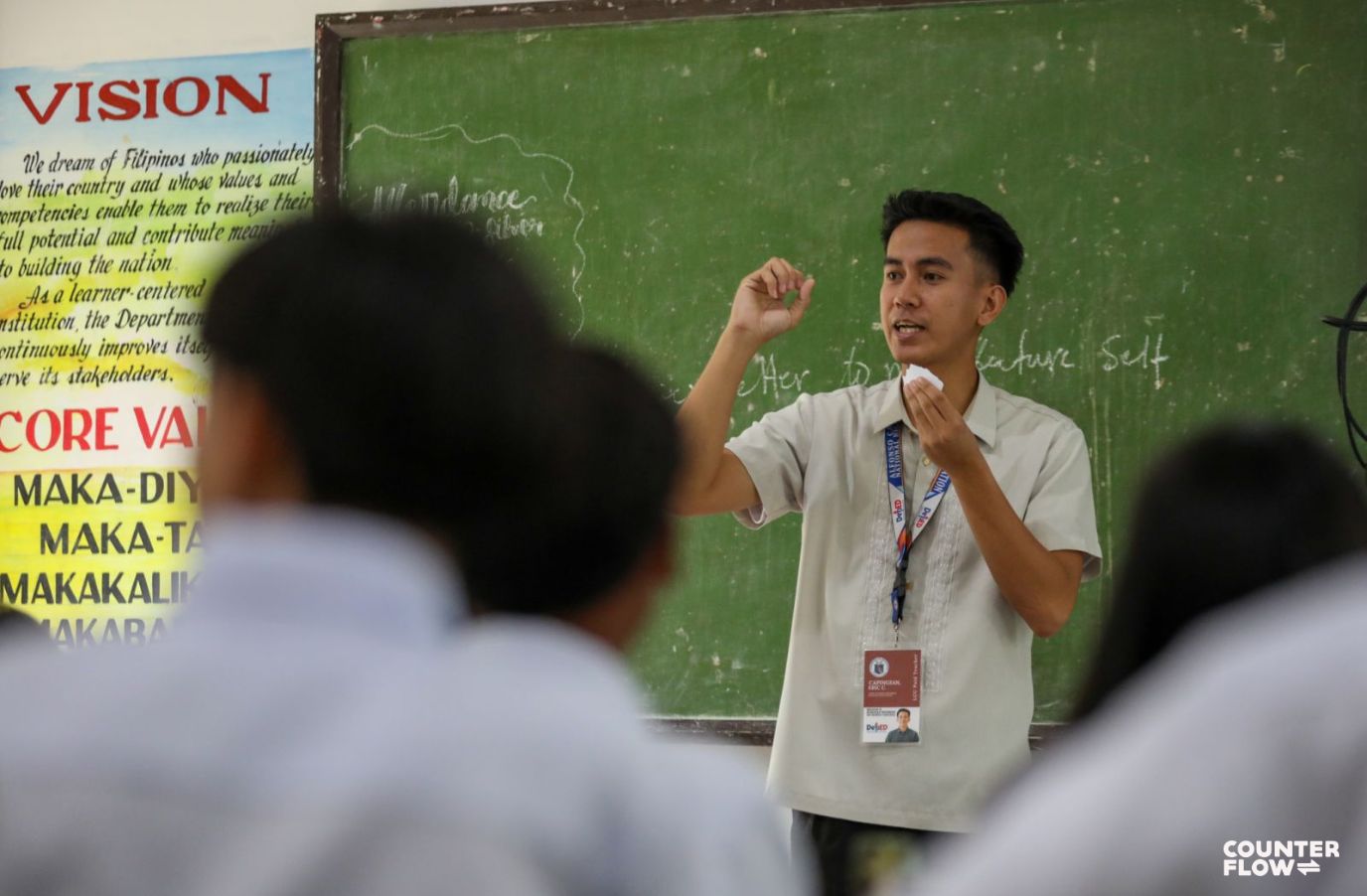
The Department of Education (DepEd) is strengthening its preparedness measures against El Niño and extreme weather conditions while accelerating climate change education across basic education, following directives from President Ferdinand R. Marcos Jr.
DepEd’s preparedness efforts include continuous risk assessments, updated contingency plans, and flexible learning options to help protect learners and school personnel during periods of extreme heat. Schools are also being directed to prioritize heat and water security by ensuring access to safe drinking water, maintaining water, sanitation, and hygiene facilities, addressing leaks, and improving classroom ventilation.
School authorities may adjust class schedules or shift to alternative learning modalities when heat conditions become unsafe. DepEd is also strengthening school-level monitoring and reporting systems to track heat index levels, water availability, class suspensions, and health incidents, allowing resources to be directed where they are most needed.
Alongside these operational measures, Education Secretary Sonny Angara has directed the fast-tracking of climate change concepts within basic education learning competencies. “Climate literacy must start early, and it must start in our classrooms,” Angara said, emphasizing the importance of teaching learners practical habits such as proper waste segregation and keeping communities clean.
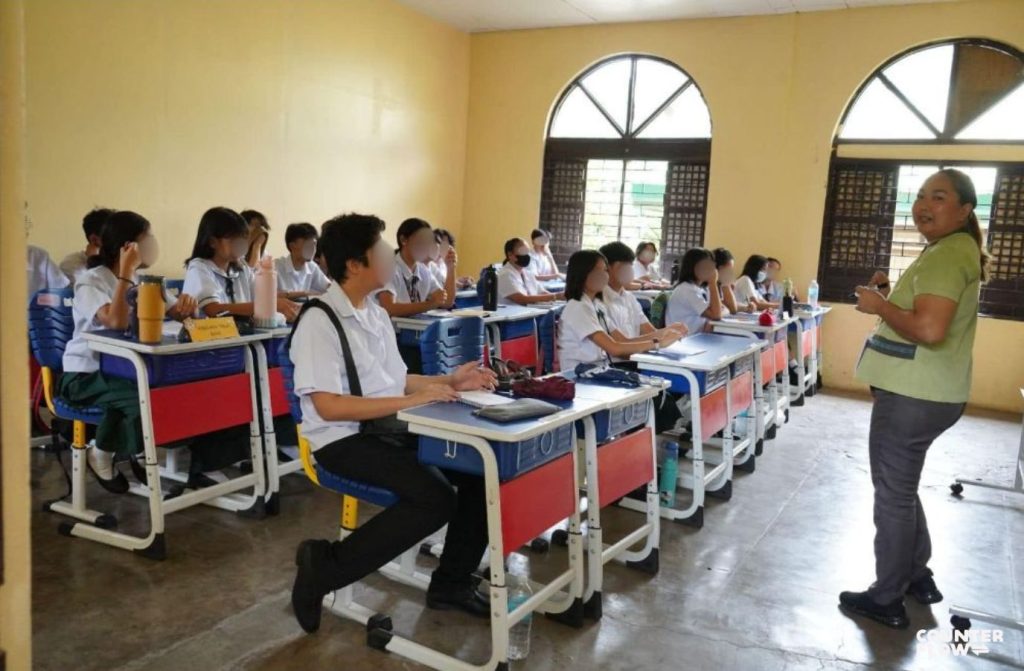
Under the updated basic education curriculum, climate-related concepts are introduced progressively across grade levels. Kindergarten to Grade 3 focuses on basic environmental care and protection, while Grades 4 to 6 tackle environmental concerns such as air quality and waste management. Junior High School learners explore the scientific causes of global warming, mitigation strategies, and environmental advocacies.
Climate-related competencies are integrated across several learning areas. Science for Grades 9 to 10 covers evidence of global warming, greenhouse gases, biodiversity conservation, and local climate solutions, including renewable energy. GMRC and Values Education highlight resource conservation and family and community responses, while Physical Education and Health introduces climate impacts through the One Health concept.
EPP and TLE also provide practical lessons on climate mitigation, adaptation, and sustainable farming practices. Outside the classroom, DepEd encourages learners to participate in environmental initiatives through the Youth for Environment in Schools Organization (YES-O), including waste segregation, campus cleanups, and drainage maintenance to help prevent trash from blocking waterways.
Angara also emphasized that climate action requires coordination among schools, local government units, and families. By combining stronger school preparedness with practical climate education, DepEd aims to help learners understand both the risks posed by extreme weather and their role in protecting their communities and environment.
