


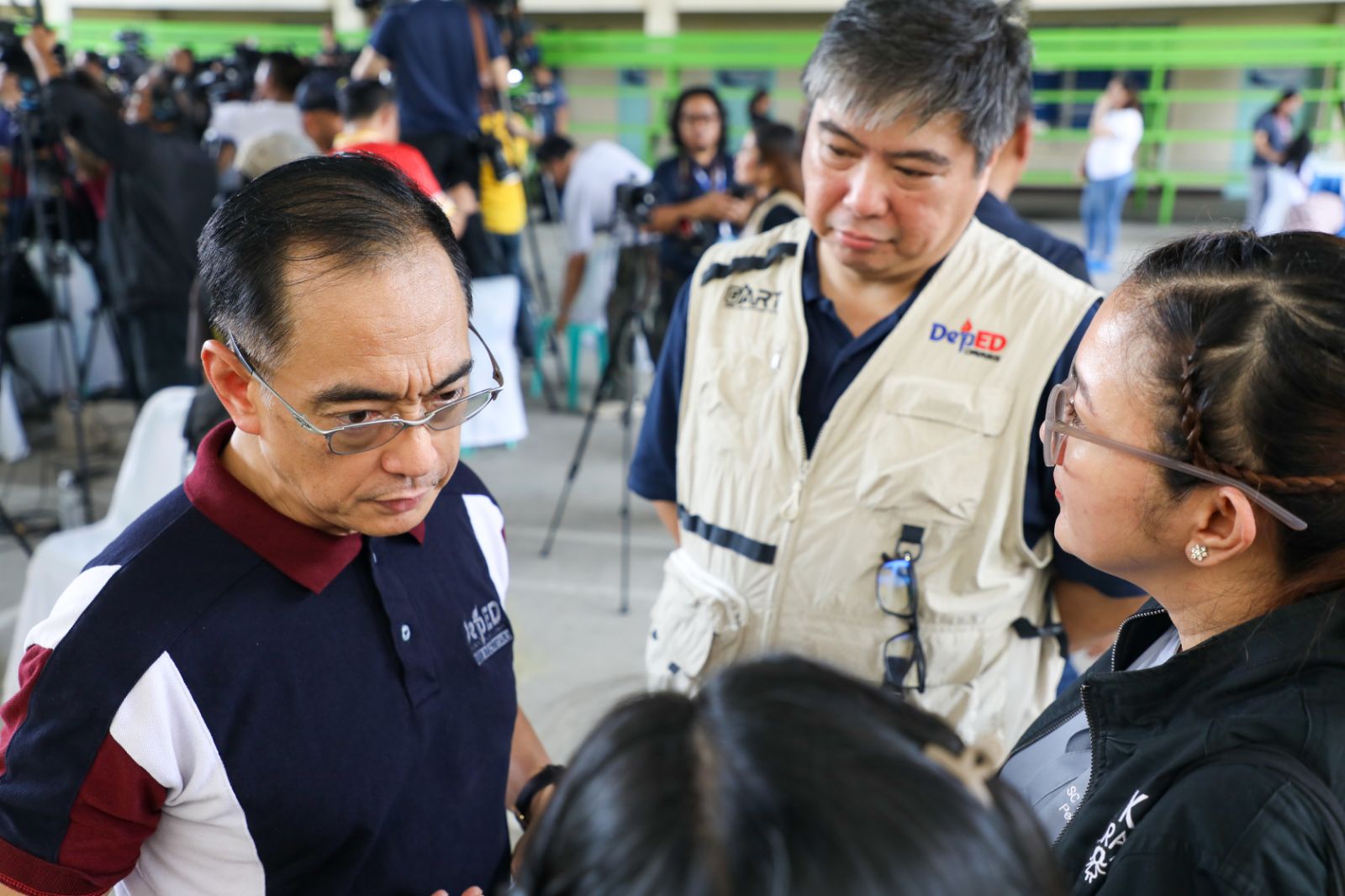
The Department of Education (DepEd) on Thursday spearheaded the National Simultaneous School Safety Drill across public and private schools nationwide to strengthen emergency preparedness, improve coordinated responses, and ensure the safety and well-being of learners and school personnel.
The nationwide exercise aims to enhance coordination among schools, local government units, law enforcement agencies, and emergency responders during active threat situations, while ensuring learning continuity and the implementation of localized School Contingency Plans.
The drill at Carlos F. Gonzales High School in Bulacan was attended by Department of the Interior and Local Government (DILG) Secretary Jonvic Remulla and DepEd officials led by Undersecretary for Governance and Operations Malcolm Garma. In a message delivered on his behalf, Education Secretary Sonny Angara stressed that schools must remain safe spaces for learners.
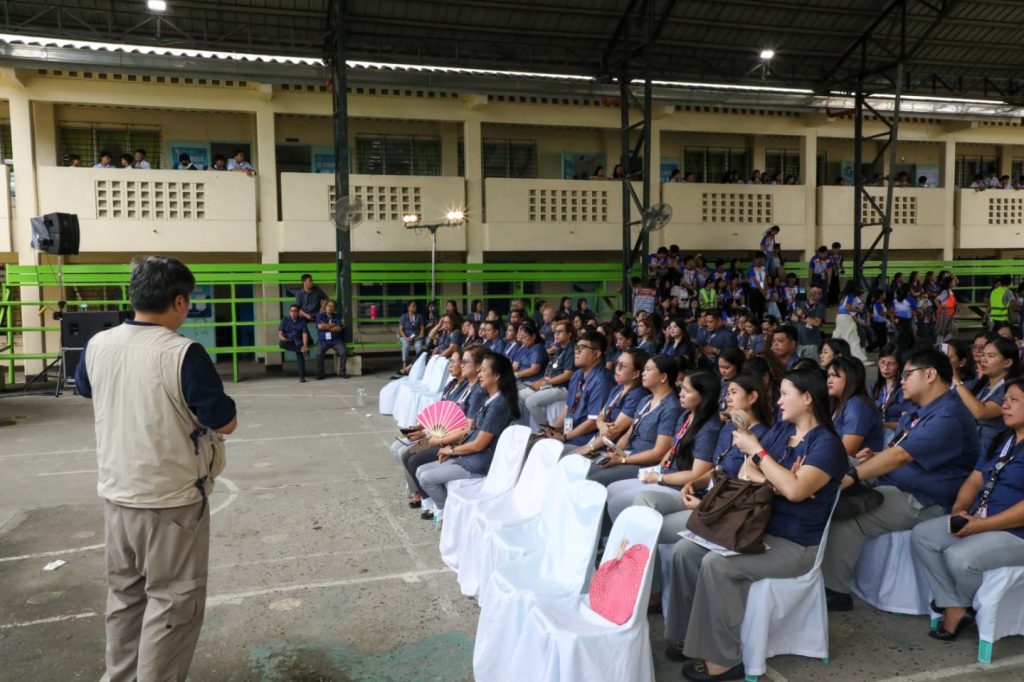
“We want our schools to be places where a learner’s biggest concern is an upcoming exam, a missed assignment, or simply getting through another busy day at school, not whether they are safe inside their own classroom,” Angara said.
He emphasized that the drill is meant to build preparedness rather than fear, adding, “This drill is not about dwelling on frightening situations. It is about making sure that when an emergency happens, our school community knows how to respond. The purpose of a drill is not to look perfect. It is to help us become better prepared.” Angara also thanked teachers and school personnel for their continued commitment to protecting learners.
Following consultations with medical and mental health experts, including the Philippine Psychiatric Association, Philippine Society for Child and Adolescent Psychiatry, and Philippine Pediatric Society, DepEd updated its safety drill guidelines to follow trauma-informed, child-centered standards under a strict “Do No Harm” directive. Hyper-realistic scenarios, active aggressor role-playing, and graphic threat simulations are prohibited, with schools instead using a distinct early-warning alarm separate from standard fire and earthquake signals.
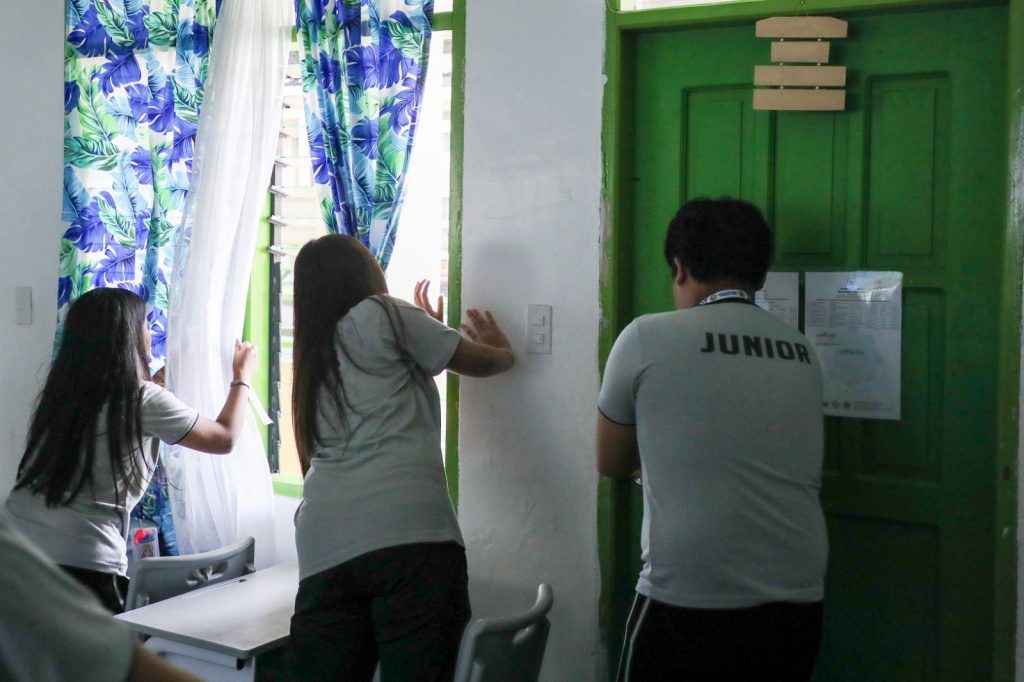
At Carlos F. Gonzales High School, the simulation began with an emergency alert through the public address system and calls to the 911 emergency hotline and local police. Teachers and learners carried out protective actions inside classrooms, while responding police officers followed safety protocols, including keeping their firearms concealed. After police clearance, response teams conducted medical first aid procedures and the school activated its reunification protocols.
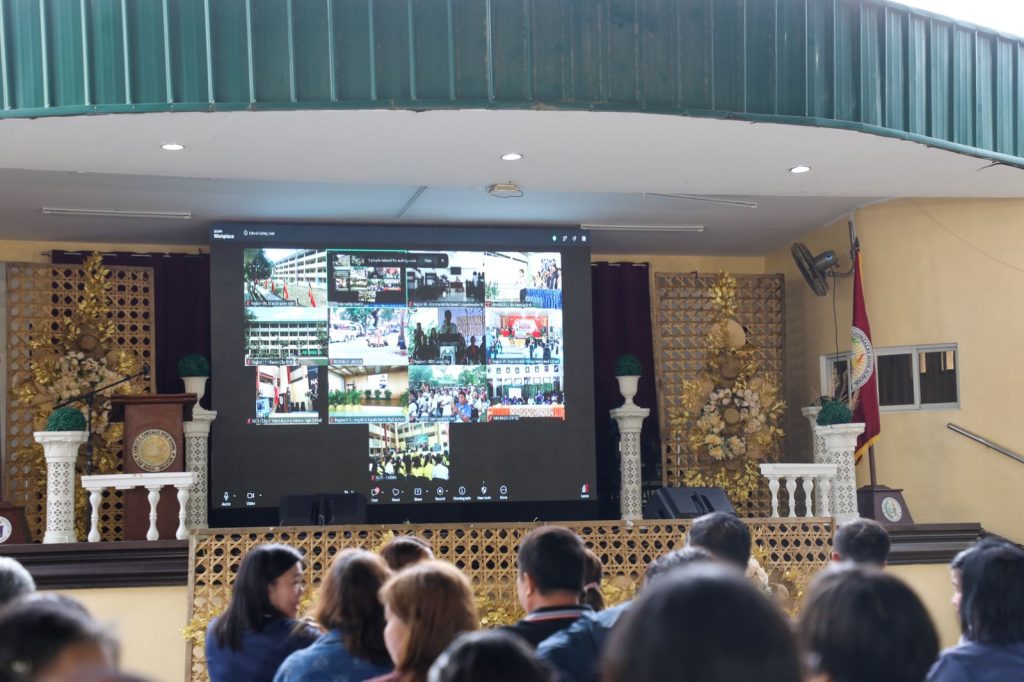
DepEd is also rolling out updated School Contingency Plans that integrate lockout, lockdown, evacuation, and reunification procedures into existing disaster risk reduction and management frameworks. Schools are required to strengthen physical security, conduct capacity-building activities, and coordinate with local authorities and law enforcement, while multi-agency observers evaluate drills to identify operational gaps.
In the event of an active threat, the School Disaster Risk Reduction and Management Committee will reconstitute as an Incident Management Team to coordinate the response. DepEd is also requiring age-appropriate orientations and drills, along with post-incident Psychological First Aid and learning continuity measures guided by the 4H Framework—Hinto, Hinga, Hinay, Hayo—to support the safe and phased recovery of learners and school personnel.
