


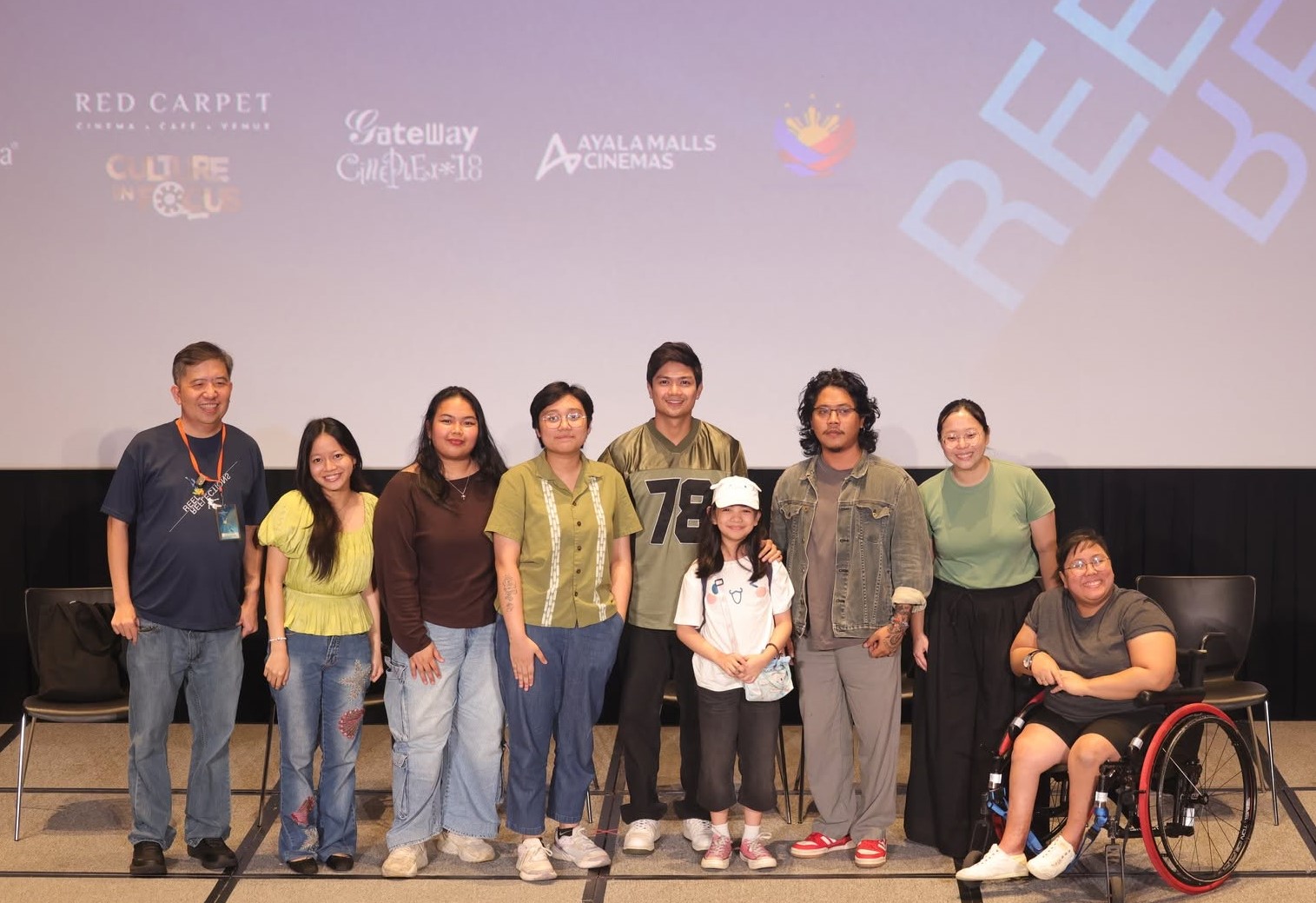
Para-paraan (Finding a Way Through), a 10-minute observational documentary portraying the everyday realities faced by persons with disabilities (PWDs) in the Philippines, has won the Special Jury Award at the 22nd Cinemalaya Philippine Independent Film Festival.
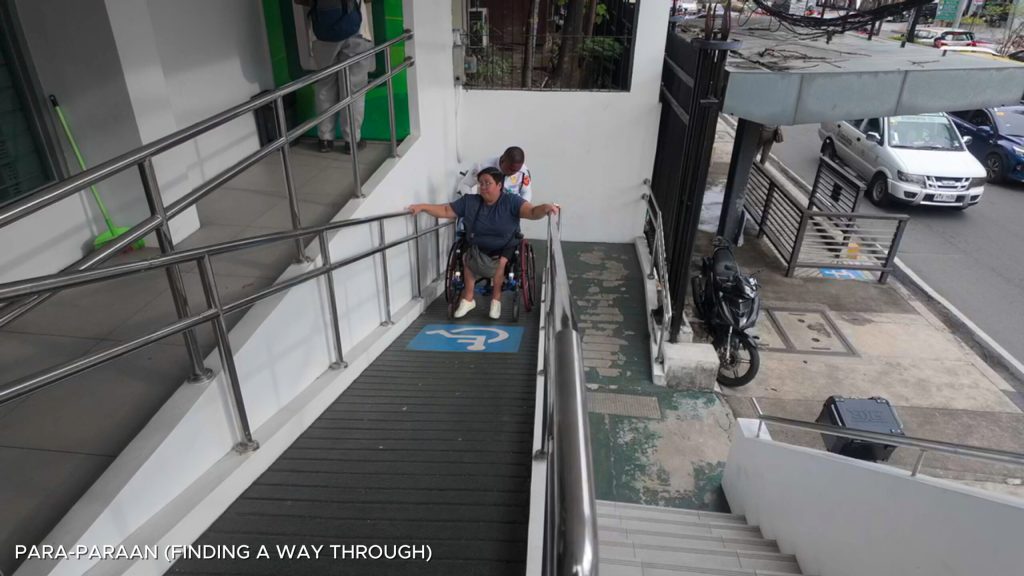
Directed, written, and produced by filmmaker and disability advocate Mae Chan Li, the documentary follows para powerlifter, executive producer, and wheelchair user Katrina Kat Hernandez as she goes about ordinary errands, including withdrawing money from an ATM, picking up medication from a pharmacy, and buying groceries. Along the way, steep ramps, broken sidewalks, poorly designed elevators, and inaccessible roads turn routine tasks into significant challenges.
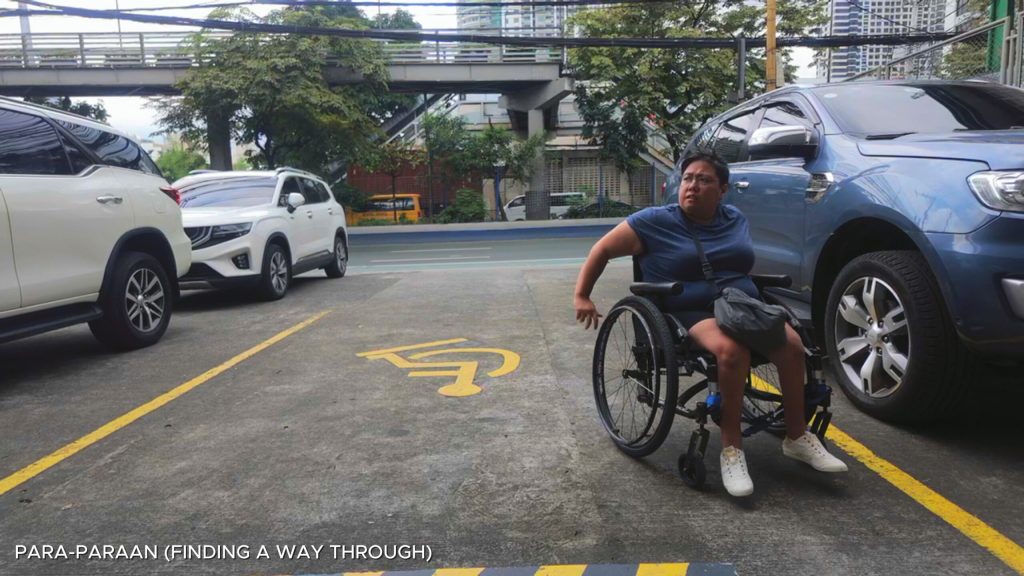
Rather than relying on dramatic narration or heavy exposition, Para-paraan uses minimal dialogue and an observational approach to allow audiences to experience these barriers firsthand. The film turns everyday moments into a powerful reflection on how PWDs are often expected to adapt to environments that were not designed with accessibility and inclusion in mind.
What appears mundane carries the weight of constant adjustment, of having to find a way, Li said, explaining that she wanted the film to unfold without excessive explanation and allow viewers to sit with the experiences as they happen.
During a Cinemalaya talkback moderated by film educator Seymour Sanchez, Li emphasized the films intentionally non-preachy approach, allowing audiences to confront the realities on screen and draw their own conclusions.
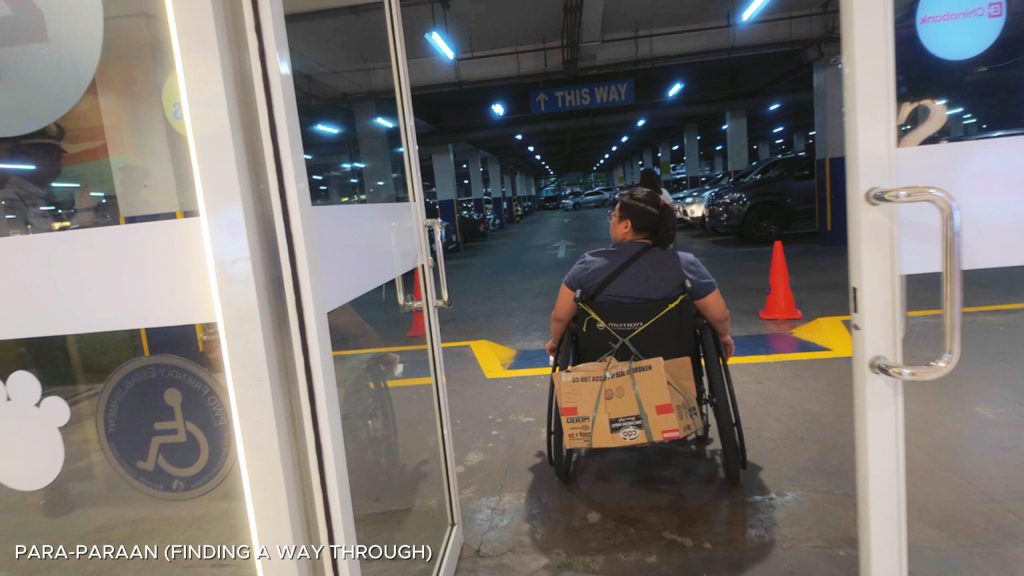
The documentary also challenges the culture of praising PWDs for their resilience in navigating inaccessible spaces, when accessibility should have been part of the design from the beginning. For Li and Hernandez, who co-founded disability advocacy platform Kat Out of the Box, the film provides an opportunity to reframe how disability is understood in Filipino society.
Para-paraan also serves as a call for government agencies, local government units, and urban planners to meaningfully consult PWDs when designing public spaces, making accessibility an essential standard rather than a burden that marginalized communities are expected to overcome.
