


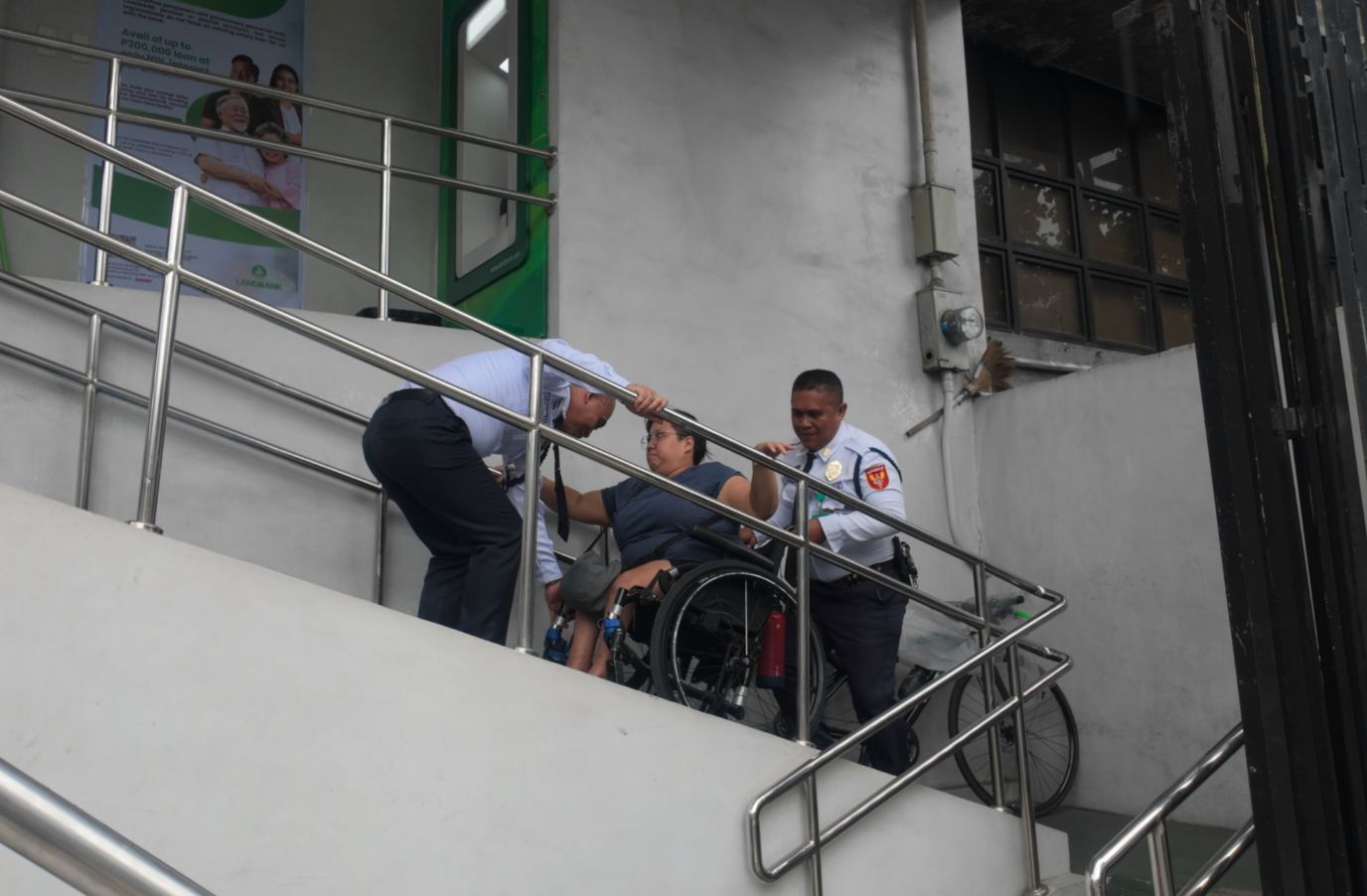
How do we move through a world that was never designed for us? Mae Chan Li’s Para-Paraan asks this question through a straightforward but important documentary featuring Katrina Hernandez, a wheelchair user, as she navigates public spaces and confronts the barriers built into what society considers “normal.”
The film does not need elaborate storytelling to make its point. From streets and malls to elevators and other public facilities, Para-Paraan documents the everyday difficulties faced by wheelchair users. What should be ordinary, such as crossing a road, entering a building, finding an accessible route, or simply moving from one place to another, can become a negotiation with a system that often overlooks their needs.
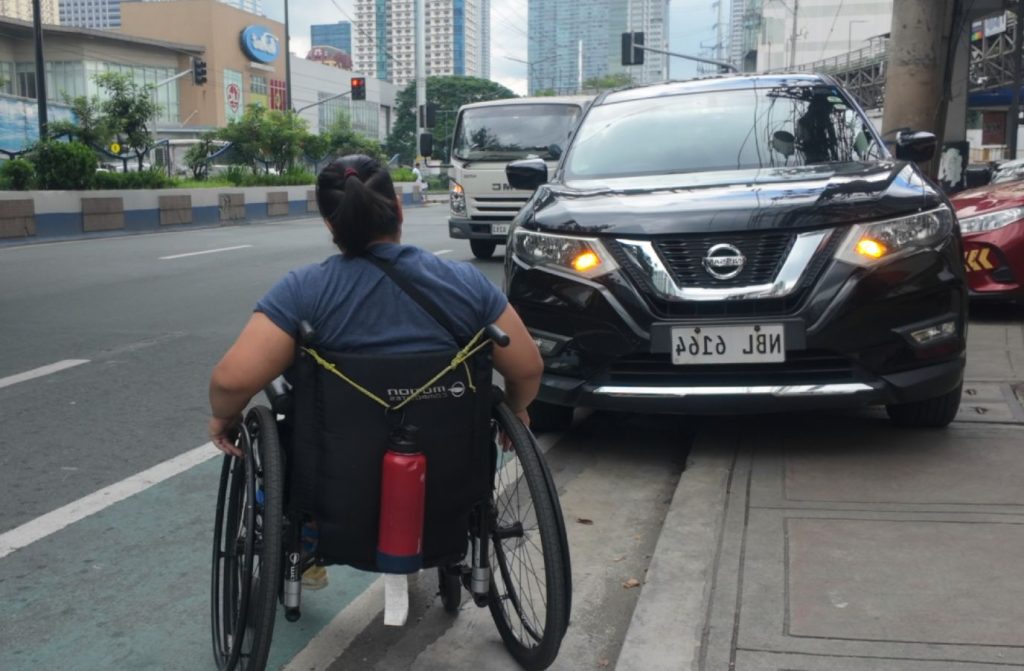
What makes the documentary effective is its refusal to treat accessibility as a special request. Through Katrina’s experience, the film exposes how the system itself becomes a source of risk. Poorly designed roads, inaccessible facilities, limited mobility options, and spaces that technically exist but remain difficult to use all raise a more fundamental question: Who are these spaces actually designed for?
Para-Paraan also expands the conversation beyond wheelchair users. Accessibility benefits a much wider sector of persons with disabilities, yet it is often people with disabilities who are expected to adjust to systems that were not created with them in mind. The film makes it clear that this should be reversed. The burden of adjustment should not always fall on the person navigating the barrier. The system should be designed to accommodate the people it serves.
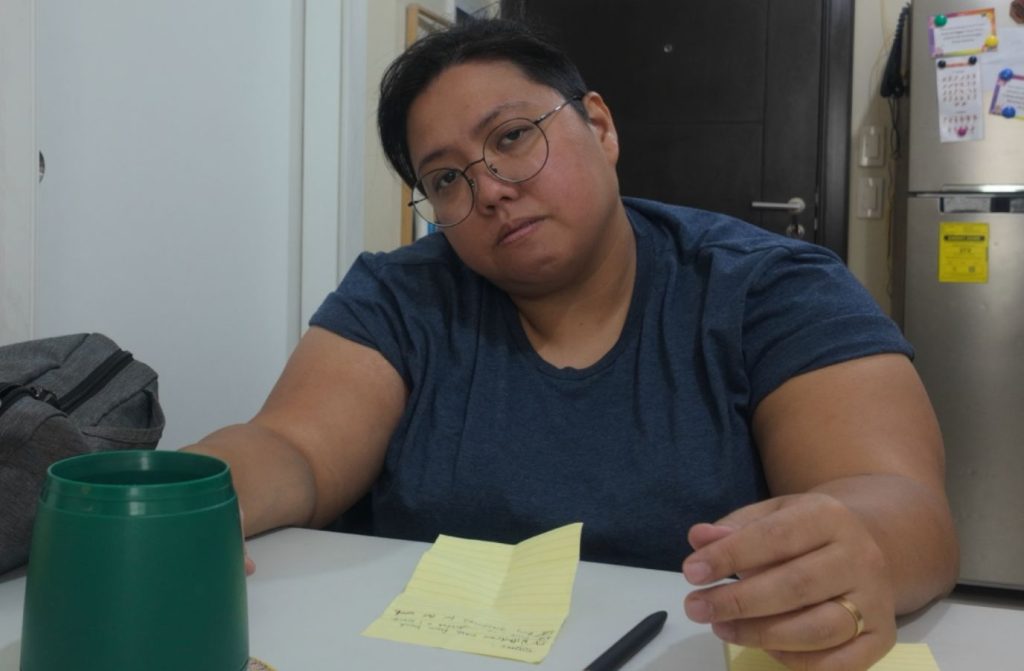
At its strongest, Para-Paraan turns accessibility into a question of human rights, dignity, and safety. Safety should not be a privilege reserved for those who can easily navigate public spaces. Accessible roads, elevators, ramps, entrances, transportation, and other facilities are not conveniences. They are essential to allowing people with disabilities to participate fully in society.
Para-Paraan may be a simple documentary, but its message is difficult to ignore: the problem is not the person using the wheelchair. The problem is a system that continues to make them adjust. Perhaps the most important change begins when we stop asking people with disabilities to find another way and start asking why the way was never made accessible in the first place.
