



How do we embrace loneliness when what we truly fear is not being alone, but being forgotten? Vahn Leinard C. Pascual’s Status: Rejected quietly sits inside this uncomfortable question, turning loneliness into something more than an empty room or an absent companion. It becomes the slow realization that life continues to move even when we are no longer certain where we belong in it. Beneath its humor and awkwardness is a painful truth: sometimes, the deepest wounds are the ones we hide so well that even the people closest to us fail to see them.
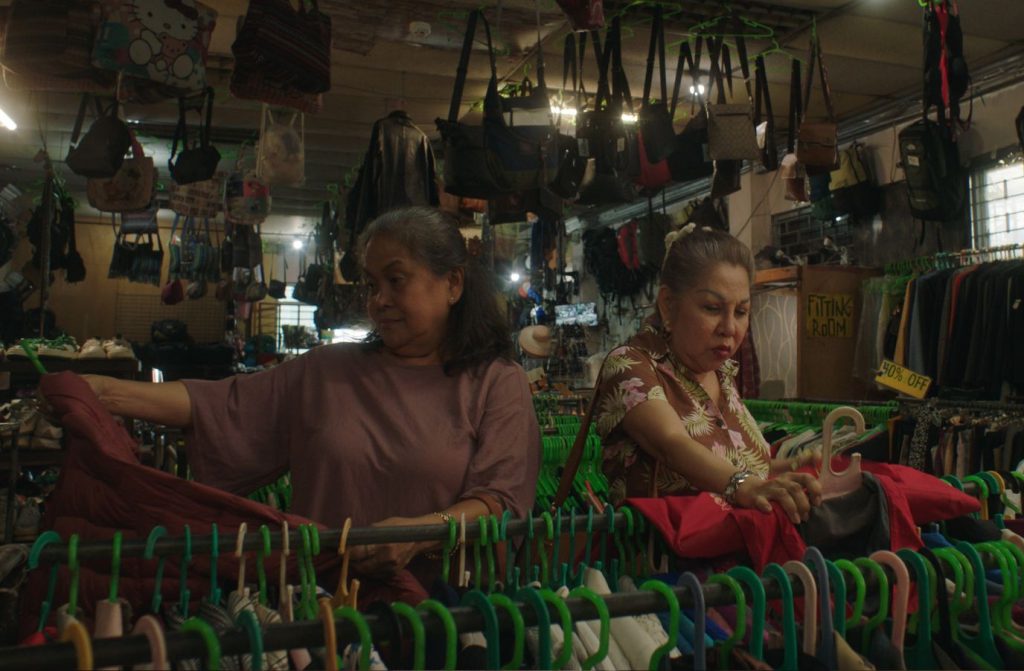
At the center of the film is Biring, played with remarkable restraint by Ruby Ruiz, a woman struggling to keep herself within the ever-changing dynamics of life. Her relationship with her daughter Anna, played by Alessandra de Rossi, her granddaughter, played by Yani Villarosa, and her best friend Teresita, played by Beverly Salviejo, reflects the different ways we experience connection and the painful possibility of losing it. The film understands that loneliness does not always arrive with a dramatic goodbye. Sometimes, it begins in the quiet spaces between conversations, in relationships slowly changing, and in the realization that the people we love may eventually move on without us.
Every line Biring delivers feels like an elegy for a dying self, not a physical death, but the slow disappearance that happens when someone begins to feel invisible, unheard, and left behind. Then there is Teresita, whose question lands like a prayer: “What happens if someday, there is no one left for me?” It is painful because perhaps this is the fear many of us are too afraid to admit. Beneath our independence and strength, we still hope someone will remain. We still want someone to answer when we call. I don’t want to be alone.
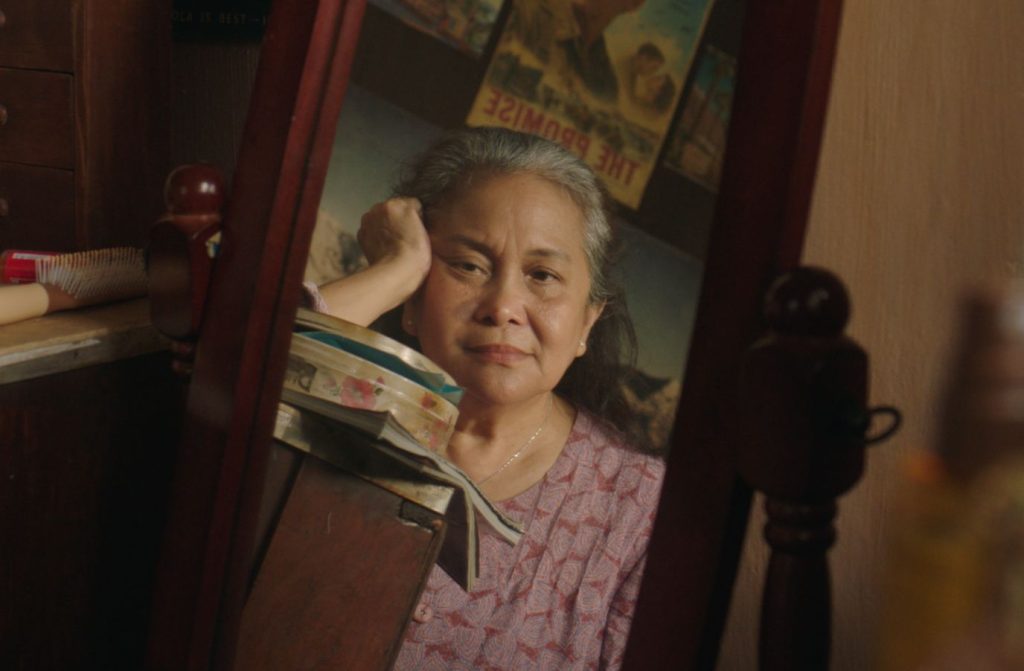
Yet Status: Rejected does not drown itself in sadness. It allows us to laugh through its funny, awkward, and sometimes uncomfortable moments, giving its characters the freedom to be foolish, imperfect, and human. These moments are essential because loneliness does not erase the desire to laugh or connect. Sometimes, even temporary companionship can become a lifeline. The film finds beauty in these small encounters, proving that emotional weight does not always require grand gestures.
That restraint becomes the film’s greatest strength. Status: Rejected understands that loneliness is not necessarily the absence of people, but the feeling that no one truly sees you. It is the fear of becoming irrelevant, the ache of being unheard, and the uncertainty of waking up one day to discover that the people you thought would stay may eventually leave. The film communicates all of this without forcing its emotions, allowing its simplicity to carry a much deeper meaning.
In the end, perhaps we will all experience some form of being alone. There may come a moment when the room feels quieter, the phone stops ringing, and the people we once depended on begin living lives that no longer revolve around us. Status: Rejected does not tell us that we must learn to live without anyone. Instead, it offers a gentler and more honest answer: when loneliness becomes too heavy, call for help. Because perhaps embracing loneliness does not mean learning how to live without someone; perhaps it means having the courage to admit that we need someone.
