


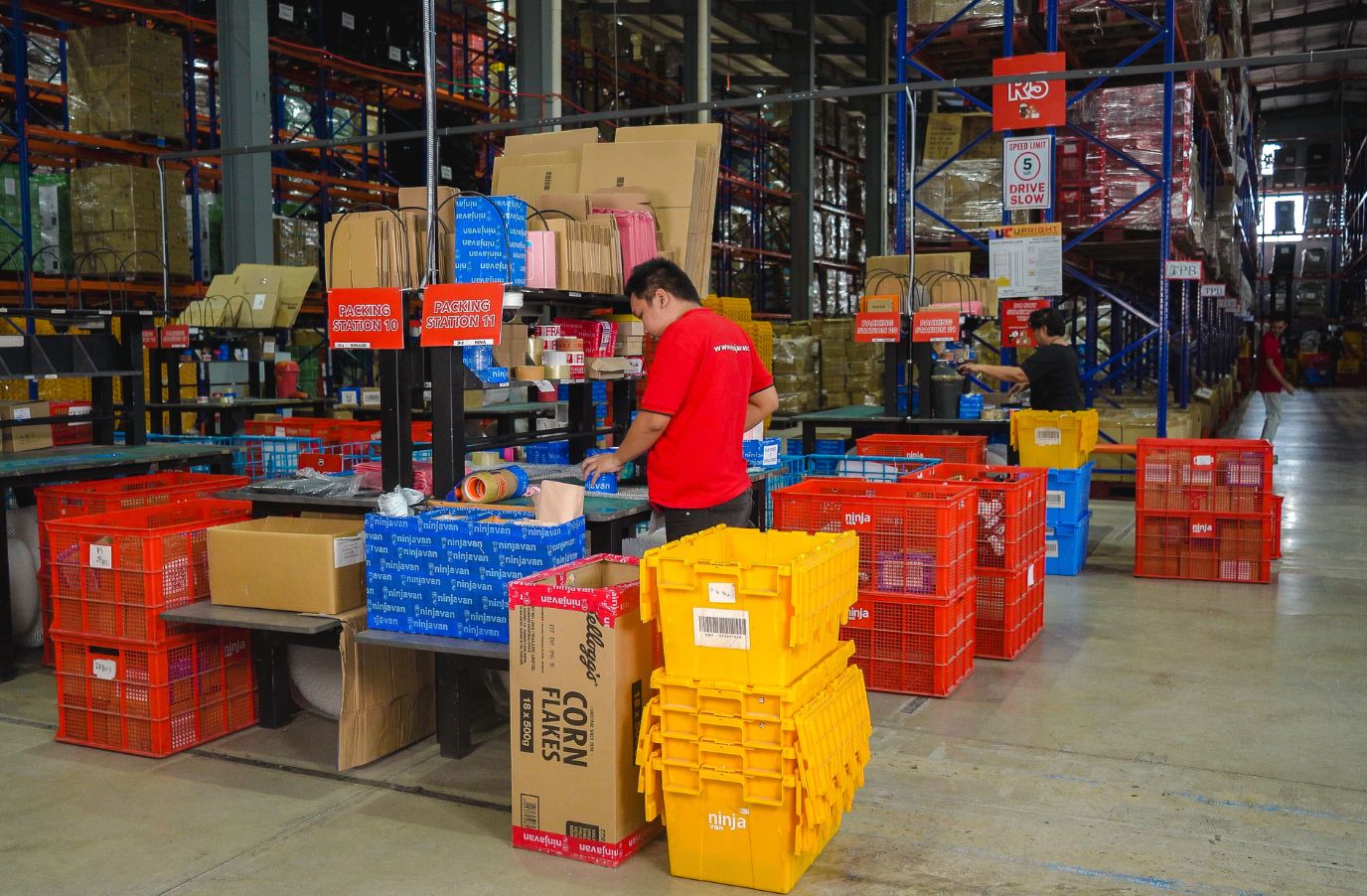
Mindanao is fast emerging as one of the Philippines’ strongest growth centers, unlocking new opportunities for businesses traditionally concentrated in Metro Manila and Luzon.
In 2024, Northern Mindanao officially crossed the ₱1-trillion economy mark, recording a 6.0% growth rate that outpaced the national average. The region’s 42 ecozones and over 100 active enterprises highlight its growing attractiveness to investors, while consumer demand continues to climb. According to NielsenIQ, Mindanao is projected to lead the country in FMCG growth by 2025.
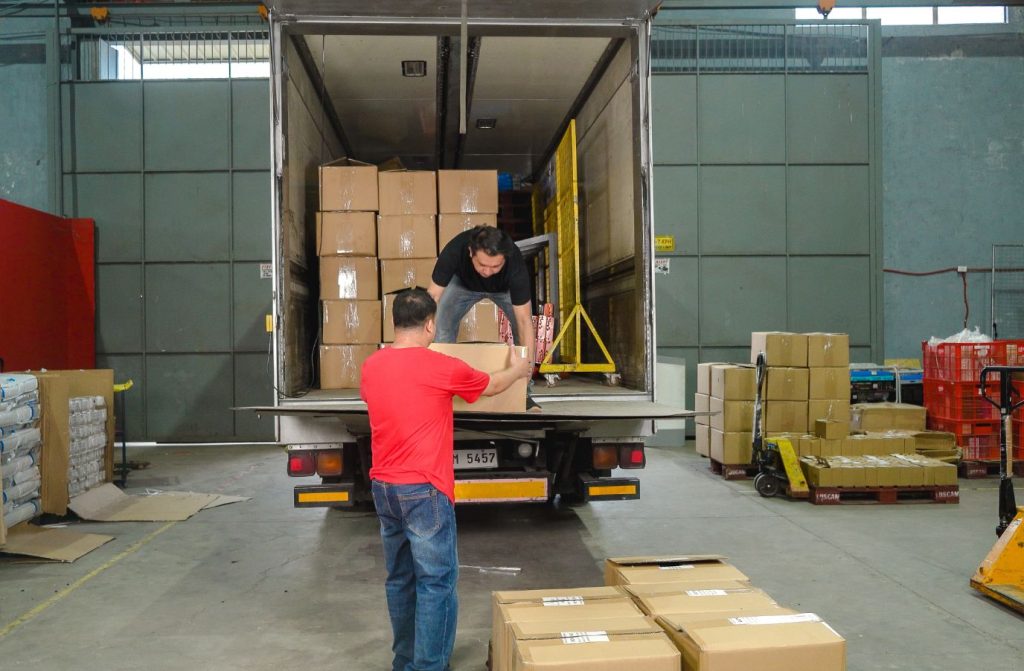
However, for companies outside the region, potential alone does not guarantee success. Mindanao’s vast geography, fragmented supply chains, and operational complexities can make expansion daunting. Bridging this gap between opportunity and execution requires a logistics partner with both scale and local expertise.
Ninja Van Philippines Country Head Vin Perez emphasized that Mindanao’s market offers massive potential, but it has to be earned. He added that businesses that can consistently deliver across the region will be the ones to benefit as demand accelerates.
Recent infrastructure investments such as the Davao International Airport and the Davao International Container Terminal have laid the groundwork for stronger trade and connectivity. Yet, Mindanao’s diverse terrain and dispersed population continue to challenge consistent, large-scale logistics coverage.
Only a few logistics providers have the capacity to operate across the region. Ninja Van Philippines is one of them, complementing national infrastructure with a multimodal transport system that covers 95% of Mindanao, excluding only Basilan. The company’s network integrates dedicated air and land haul services to move parcels efficiently to Mindanao, supported by a fleet of around 2,500 active riders who ensure reliable last-mile delivery to even the most remote communities.
Perez noted that in a market where speed and reliability are critical, a logistics partner is more than a delivery provider. It serves as a competitive advantage for businesses that want to reach customers consistently and keep pace with the region’s economic growth.
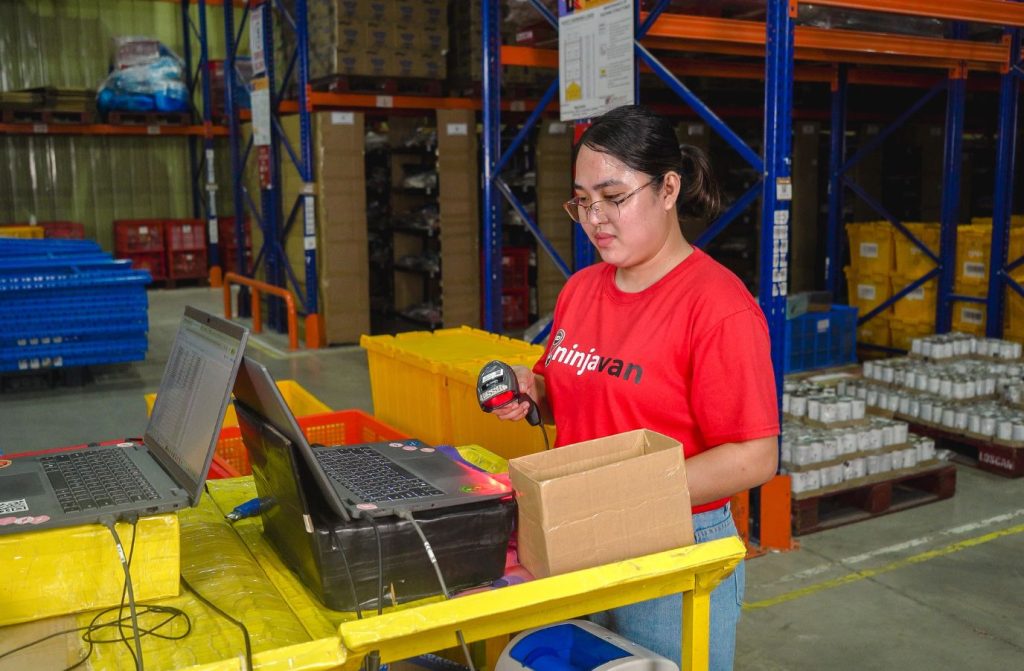
For businesses managing operations from Metro Manila, distance often creates blind spots. Limited visibility, long transit times, and multiple handoffs can lead to delays, inventory imbalances, or missed sales. Ninja Van’s advanced end-to-end tracking system solves this by offering continuous visibility throughout every stage of the delivery journey, giving shippers a single, centralized view of their logistics operations. Perez explained that transparency empowers businesses to make informed decisions and respond quickly to potential delays by providing a single source of truth for all parcel data.
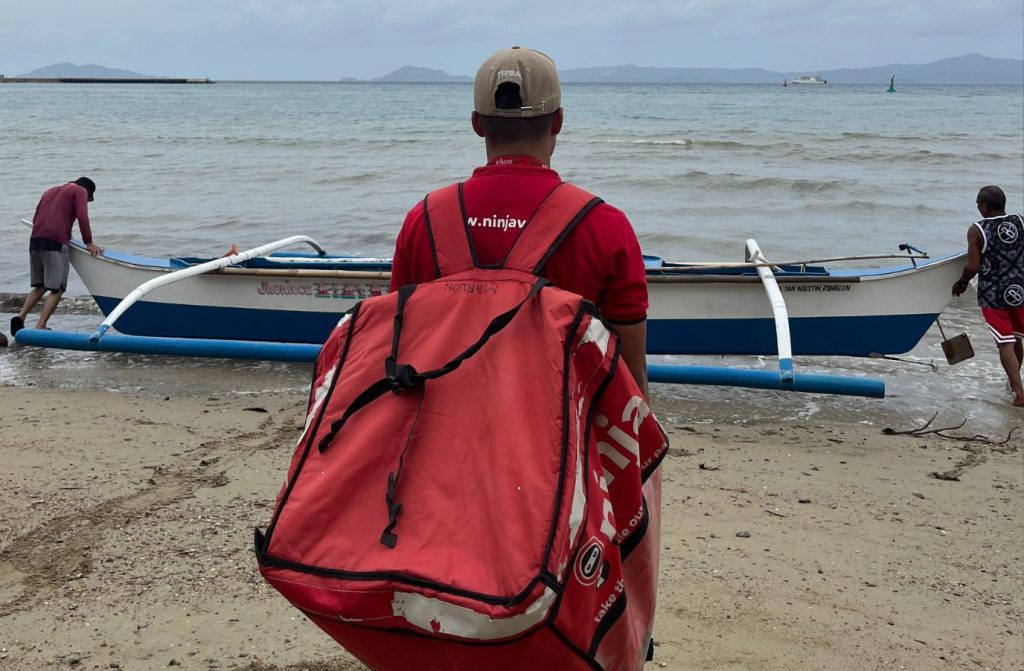
While infrastructure and technology are vital, local knowledge remains the key differentiator in last-mile delivery. Ninja Van’s riders and operations staff are recruited from the communities they serve, giving them an intimate understanding of local geography, culture, and on-the-ground realities. In areas without formal addresses or mapped streets, this hyperlocal expertise becomes essential. Riders know which barangay captain to ask, which landmarks matter, and how to adapt when digital maps do not reflect the real terrain.
Perez said that fast delivery, accurate routing, and lower rejection rates all stem from one key factor: people on the ground. In last-mile logistics, he added, local know-how makes all the difference. To scale efficiently while retaining this local touch, Ninja Van also partners with regional service contractors. Together, these capabilities—advanced visibility and deep local expertise—enable businesses to expand confidently, maintain operational precision, reduce costs, and deliver a seamless customer experience.
As Mindanao continues to rise as a major economic hub, logistics will play a defining role in how businesses tap into its potential. With its strong infrastructure, technology, and local presence, Ninja Van Philippines is ready to help brands bridge the gap between ambition and achievement, turning regional opportunities into sustainable growth.
